Reviewed · FOOD & DRINK
Guided tour and oil tasting at the Aceites Molisur factory
Seeing olive oil made changes your palate. This guided tour at Aceites Molisur turns a food you buy into a process you understand, from olive groves to the working mill. I especially liked the aroma-focused tasting of three extra virgin oils, and I loved seeing the museum’s mill in operation rather than just reading about it. One thing to plan for is transport, since getting there is not included and the trip can cost extra if you are coming from somewhere like Malaga without a car.
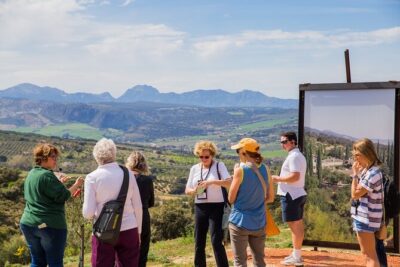
You meet at the Aceites Molisur shop, then spend about 1.5 hours with a live guide in French, Spanish, or English. The whole visit sits in a nature setting with vegetation and mountains nearby, which makes the information feel practical, not like a lecture. In one standout experience, a guide named Ana was praised for being friendly and for explaining everything clearly in English.
In This Review
- Key highlights worth your time
- Why an oil factory visit feels so different (in a good way)
- Meeting at Aceites Molisur shop, then getting oriented fast
- Olive groves and cultivation: where flavor begins
- The olive oil museum and a mill in operation
- Tasting three extra virgin oils like you actually mean it
- Production area walkthrough: reception to storage
- Price and value at about $34 for 1.5 hours
- What to bring (and what makes the experience smoother)
- Who this tour is for, and who might skip it
- Should you book the Aceites Molisur guided tour?
- FAQ
- Where is the meeting point for the tour?
- How long is the guided tour and tasting?
- What languages are the live guides available in?
- What is included in the price?
- Is transport included from nearby cities?
- Is the tour wheelchair accessible?
- What should I bring with me?
- Are pets allowed on the tour?
Key highlights worth your time
- A museum tour with a mill actually running, not just old equipment behind glass
- Tasting three extra virgin olive oils, taught with aroma recognition
- Century-old olive trees and how cultivation and harvesting are handled
- A production-area walkthrough from reception to warehouse storage
- Small, efficient timing at 1.5 hours, with water included
Why an oil factory visit feels so different (in a good way)
Olive oil tasting can be oddly abstract until you see where it starts. At Aceites Molisur, you do not just taste at the end, you learn how olives are grown, gathered, milled, and stored. That context matters, because flavor does not appear by magic. It comes from real choices made across the whole chain.
I also like that the tour leans practical. You are not expected to memorize jargon to enjoy it. You get guided through the steps, then you practice tasting in a structured way, which makes it easier to tell extra virgin oils apart.
And the setting helps. The visit takes place around vegetation and mountains, so it feels like you are part of the landscape that produces the oil. It is a refreshing change from indoor-only food tours.
More Malaga chiringuitos, bodegas and counters:

Meeting at Aceites Molisur shop, then getting oriented fast
The tour starts at the Aceites Molisur store, where you tell the staff you are coming for the visit. That matters because it keeps things smooth, especially if you are showing up without a big local tour group. If you have questions about timing or where to stand, this is the moment to ask.
You also get live guiding in French, Spanish, and English, so you are not stuck with a vague audio system. One review specifically praised the guide experience, with Ana called out for friendliness and clear explanations in English. Even if your guide is someone else, the format is the same: you are led through the site and the tasting as one continuous experience.
The visit lasts 1.5 hours. That short duration is a real advantage if you are trying to fit this into a busy Andalusia day.
Olive groves and cultivation: where flavor begins
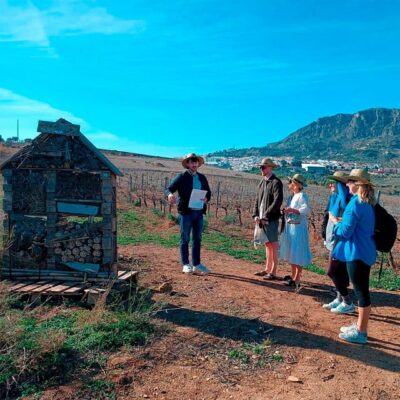
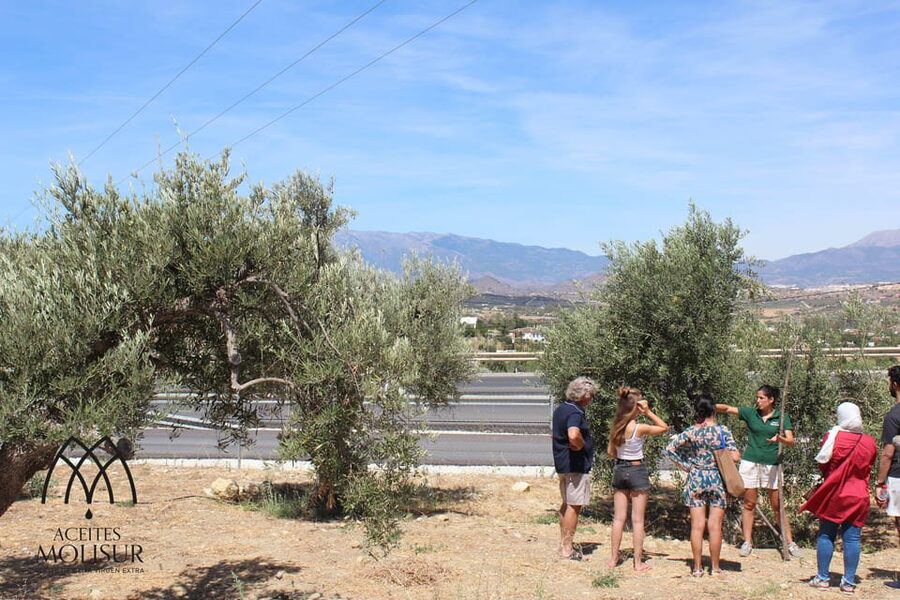
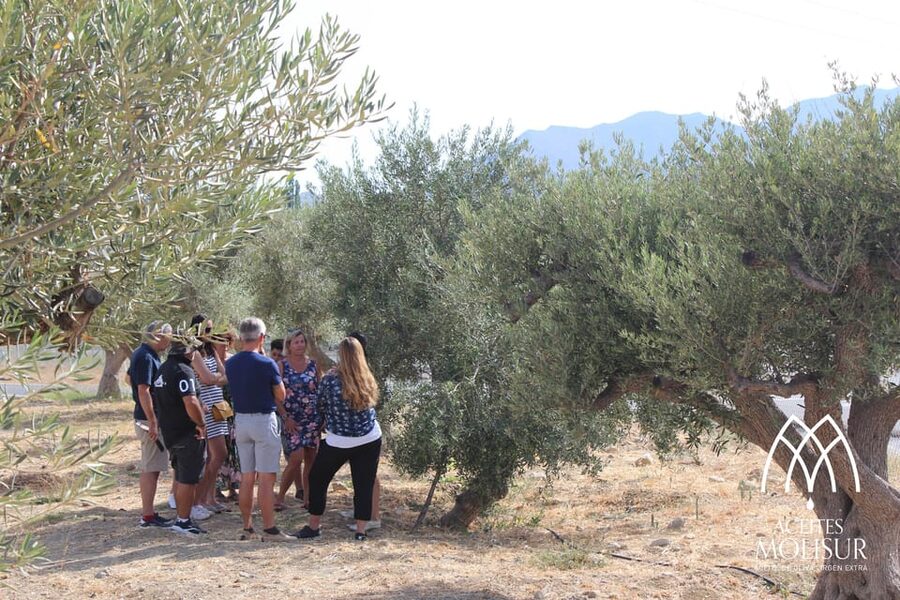
One of the best parts of this experience is how it frames olive oil as something you grow, harvest, and process, not something that arrives in a bottle. You go through the origins of the company first, then you move out to see the olive trees.
They explain cultivation methods and how harvesting works. That is important because harvesting choices influence what ends up in the mill. In real life, small differences can affect the feel of an oil in the cup, including the strength of aromas and overall balance.
You also tour century-old olive trees. When you see older trees in person, it is easier to understand why people talk about continuity in olive growing. It is not just farming, it is long-term care.
The olive oil museum and a mill in operation
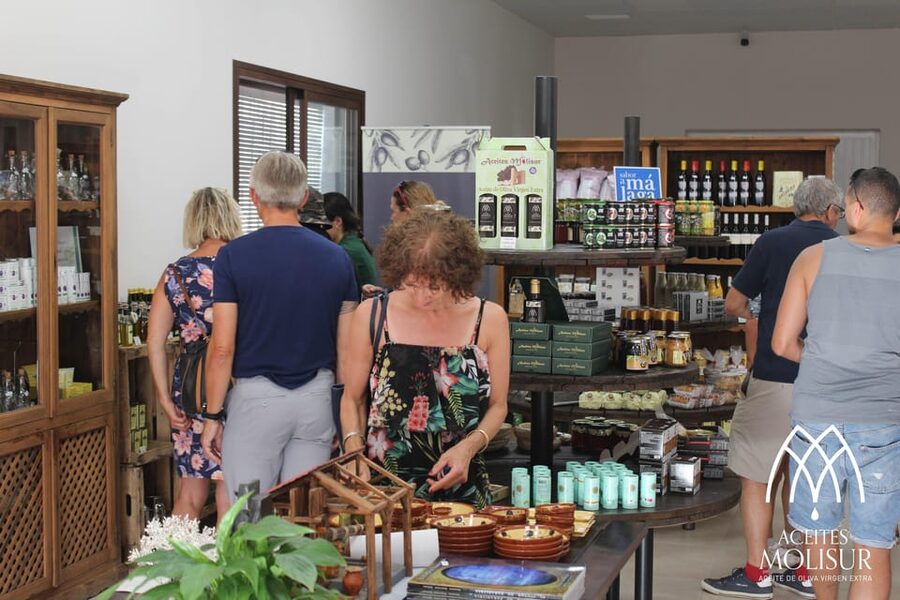
After the olive tree portion, you head into the oil museum. This is where the tour shifts from outdoors education to a hands-on view of how milling has evolved and how it works today.
The standout here is that you see a mill in operation with more than a century of history. That is the kind of detail that changes your perception immediately. You can watch how the process fits together, and you get a sense of how modern production still connects to older systems.
A museum like this can easily become static, but here it is integrated into a functioning production story. You are not just looking at equipment. You are learning how the mill relates to the rest of the process, and you can spot the points where timing and handling matter.
A few other Andalusian days to consider
- Málaga: Alcazaba and Roman Theatre Guided Tour With Entry
★ 4.8 · 5,792 reviews - From Málaga: Caminito del Rey Day Trip & Guided Tour
★ 4.8 · 4,683 reviews - From Malaga: Ronda and Setenil Guided Tour Day Trip
★ 4.5 · 3,072 reviews - Malaga Wine & Tapas Small Group Guided Tour
★ 5.0 · 1,972 reviews - Alcazaba Malaga Guided Tour
★ 5.0 · 1,457 reviews
Tasting three extra virgin oils like you actually mean it
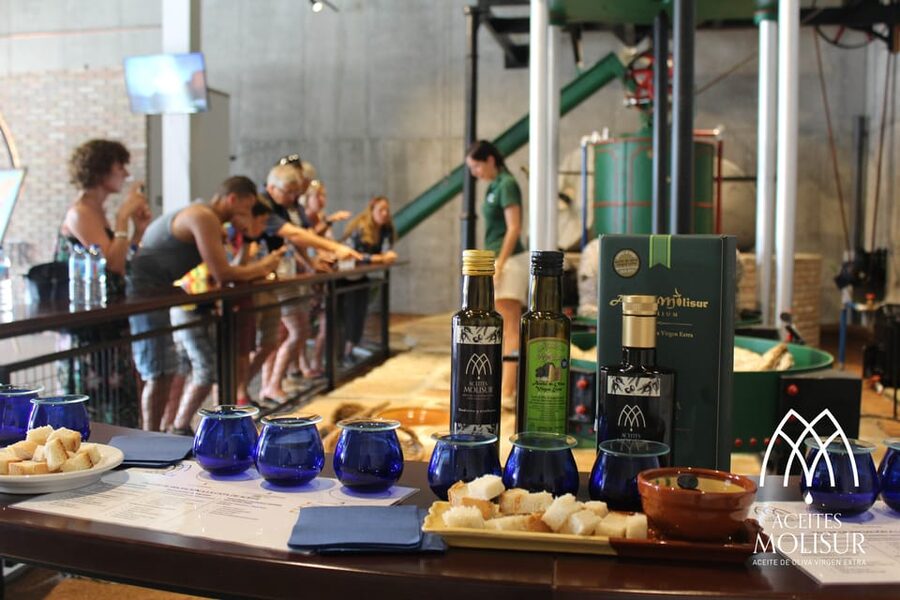
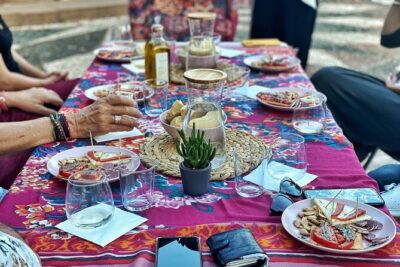
This is the moment many people wait for, but it is also the part that becomes more valuable because of everything you saw before. You learn to taste in a guided way so you can distinguish aromas and differentiate flavors across three extra virgin olive oils.
They explicitly teach you how to recognize aromatic notes, not just whether you like or dislike the oil. That sounds simple, but it is exactly what most shoppers skip. Without training, you usually describe oil like it is one thing. With training, you start to separate fruitiness, intensity, and other sensory cues.
One review mentioned the experience included fun comparisons in the tasting notes, including a mention of grape-like flavors. I cannot promise you will hear the same exact comparisons, but I can say the tasting approach is geared toward teaching you to notice more than one dimension.
Practical tip: during tasting, take your time with smell. Your nose does a lot of the work before your tongue even gets involved. If you rush, you miss the aroma differences the guide is trying to help you hear.
And yes, it is included. You get tasting of three oils, plus water during the visit, which keeps things comfortable if you have a sensitive stomach or just want to pace yourself.
Production area walkthrough: reception to storage
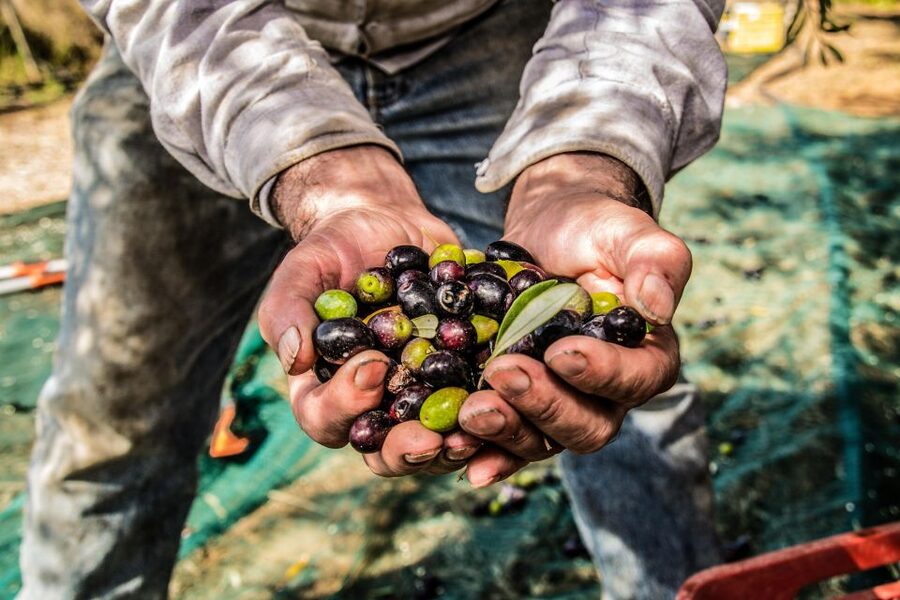
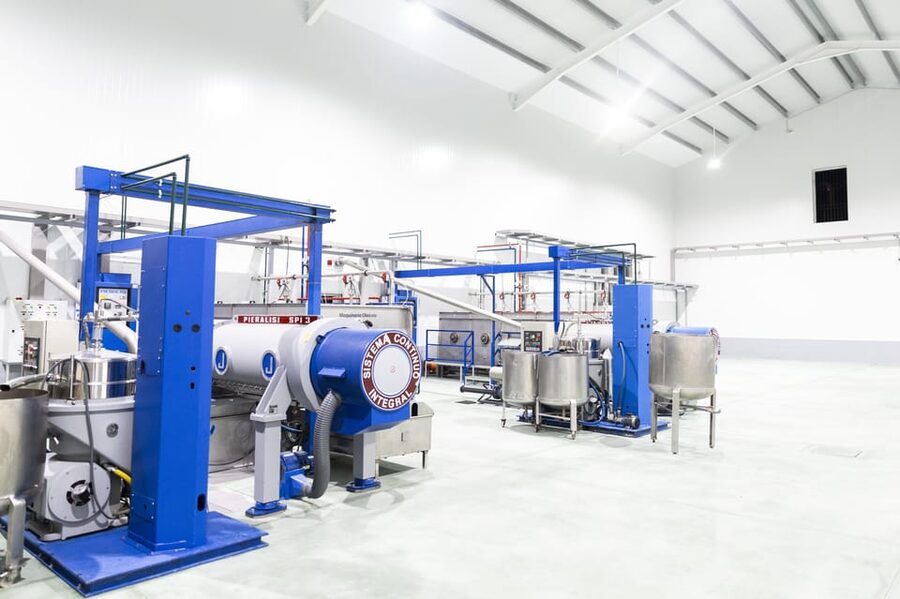
After tasting, you go to the production area. This is where the tour becomes a clean, end-to-end story of how olives move through processing.
You learn about the current process from reception to storage in the warehouse. Reception is where olives enter the system, and the way they are handled there sets the stage for everything that follows. Storage then becomes part of quality control, since how oils are stored affects how they hold up over time.
Even if you are not trying to become an olive oil expert, this part is useful. You start seeing oil as a product with stages, not a single step. That makes your future purchases more informed, because you can ask better questions about freshness, handling, and quality.
Price and value at about $34 for 1.5 hours
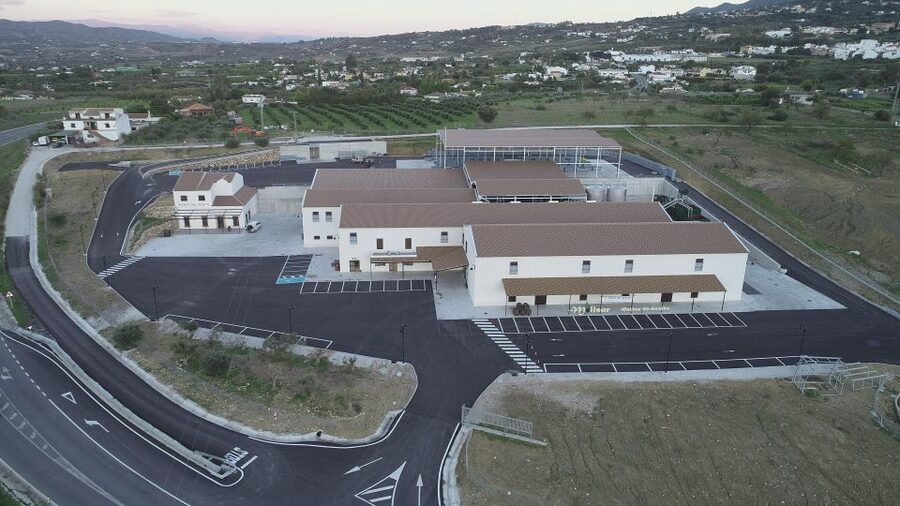
At around $34 per person for a 1.5-hour visit, this is not the cheapest thing you can do in Andalusia. But it is also not overpriced for what you get. You receive a guided tour that covers multiple parts of the operation, you get a museum visit with a mill in operation, and you get a guided tasting of three extra virgin olive oils. Those three elements combined are what justify the price.
What can affect your overall cost is transport. Transport is not included, and one review noted that getting there from Malaga without a car can add about 40 to 50 euros each way. If you are on the coast without a vehicle, your real expense might surprise you.
So I would judge value in two steps:
- If you already have a car or easy local transit, the $34 price looks like a solid education plus tasting.
- If you must pay for a long taxi ride both ways, you should budget more and compare with alternatives closer to where you are staying.
What to bring (and what makes the experience smoother)
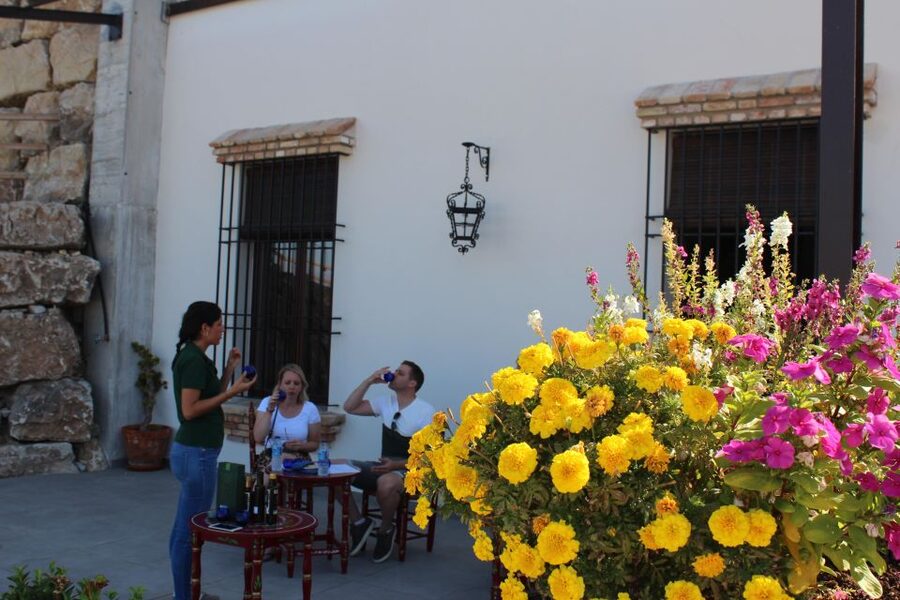
This tour is outdoors for a good chunk, then indoor for the museum and production area. To keep it comfortable, bring comfortable shoes and plan for sun.
They recommend a sun hat and water. You also get water included, but bringing your own small bottle or refill option can still be smart if you run hot.
You should also follow the site rules: pets are not allowed. If you are traveling with an animal, you will need a different plan.
Who this tour is for, and who might skip it
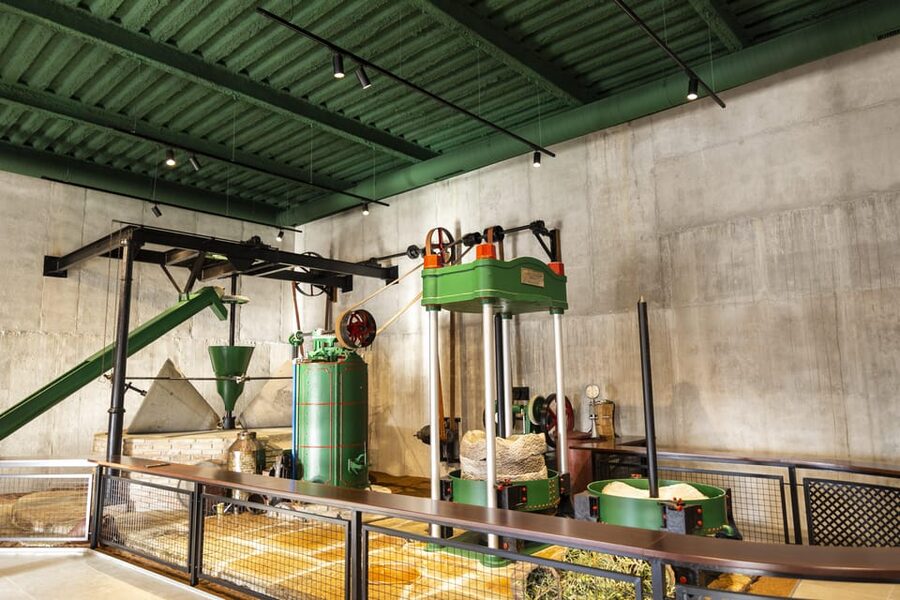
I think this works best for people who want a real food education, not just a quick stop. If you love olive oil, cook with it, or even just want to sound confident when choosing a bottle at the store, the guided aroma training is the payoff.
You might also enjoy this if you prefer experiences in nature with real agricultural context. The vegetation and mountain setting keeps the tour grounded, and the century-old trees add an emotional hook that photos cannot fully match.
If you are not interested in taste education at all and you only want a short photo opportunity, you might find this too focused. Still, even then, watching a mill in operation can be interesting.
One more practical note: the tour is wheelchair accessible, which is a genuine plus if accessibility is part of your planning.
Should you book the Aceites Molisur guided tour?
Yes, if you want a structured way to understand olive oil and you are happy spending about 1.5 hours in a working production environment. The best reasons to book are simple: the museum with a mill in operation, the guided explanation from cultivation to storage, and the chance to taste three extra virgin oils with aroma and flavor guidance.
If you do not have transport, though, do the math first. Because transport is not included, and reaching the site from far away can be expensive, this tour is most cost-effective when you can get there easily.
FAQ
Where is the meeting point for the tour?
You meet at the Aceites Molisur store. Tell the staff you are coming for the tour, and they will help you.
How long is the guided tour and tasting?
The experience lasts about 1.5 hours.
What languages are the live guides available in?
The live tour guide is available in French, Spanish, and English.
What is included in the price?
Included: guided tour of the factory, guided tour of the olive oil museum, tasting of three extra virgin olive oils, and water.
Is transport included from nearby cities?
No. Transport is not included.
Is the tour wheelchair accessible?
Yes, the tour is wheelchair accessible.
What should I bring with me?
Wear comfortable shoes, and consider bringing a sun hat and water.
Are pets allowed on the tour?
No, pets are not allowed.
New arrivals around Malaga
- Malaga: group walking tour★ 5.0 · 1 review
- Andalusian Wine Tasting Tapas and DE wine tastings★ 5.0 · 1 review
- Guided tour of Malaga fishing scene with cooking workshop★ 5.0 · 1 review
- Malaga Moorish & Roman Heritage: Old Town, Alcazaba & Cathedral★ 4.0 · 1 review
- Marbella: Climb La Concha on Private Guided Hiking Trip★ 5.0 · 1 review
- Malaga: Explore Malaga on a Solar Scooter★ 5.0 · 1 review
Food & Drink, compared.

Show and Food at Alegría Flamenco and Restaurant
Read our review →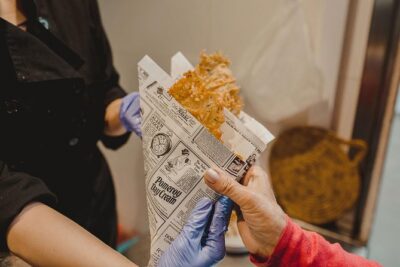
Málaga Evening Tapas Crawl Tour by Food Lover Tour
Read our review →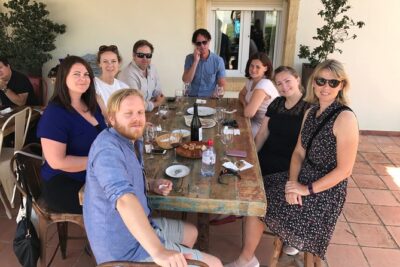
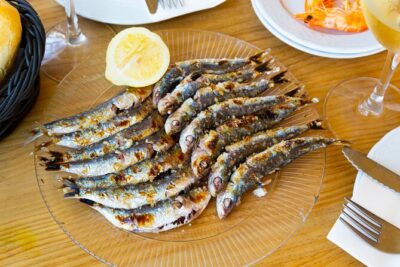
Malaga Food Tour: Tapas, Drinks and Delights with a Local
Read our review →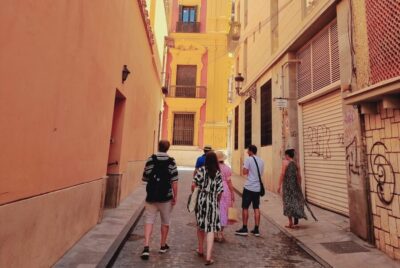
Visit Oil Mill Museum and Olive Oil Tasting in Ronda
Read our review →