Reviewed · 2-HOUR EXPERIENCES
Málaga: 2h Walking Historical Tour–Art, Culture and Legends
Málaga has layers you can actually walk through. This 1.5-hour guided walk in the historic center brings those layers to life through stories, art history, and humor from Igor Francisco Martínez, an on-the-ground local guide. You get to pair major monuments with smaller details that most people miss, like what lies beneath certain stones and why some landmarks look the way they do, today.
I especially like the Picasso trail that connects his birthplace and baptism site to the city around him, and I love the market-and-tasting rhythm that keeps the walk fun instead of just lecture mode. Expect humor, clear explanations, and practical local ideas you can use right after the tour.
One drawback to plan for: it is a walking experience in an old town that can feel warm, and the pace can drift a bit longer than the headline time when questions keep coming.
In This Review
- Key highlights worth circling before you go
- Plaza de la Aduana, meeting by Alcazaba
- Puerta Oscura Garden: Málaga’s Phoenician beginning under the quiet
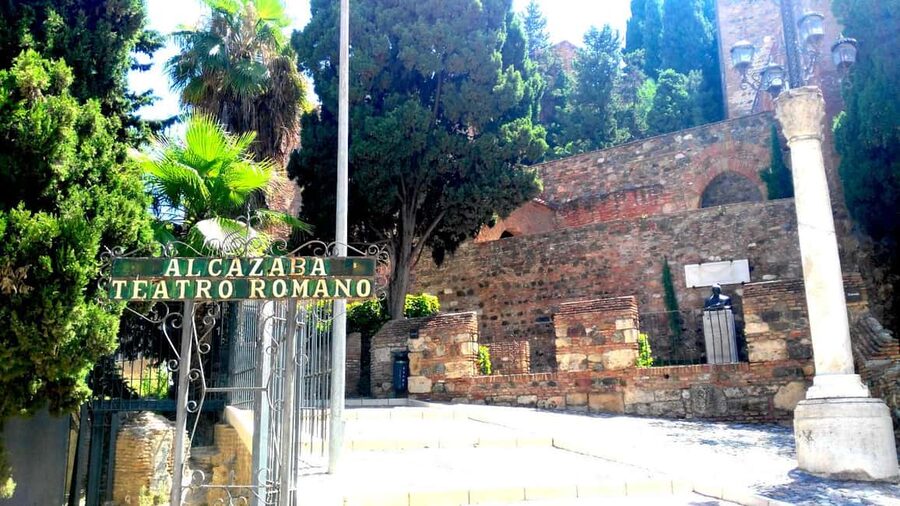
- Roman Theatre: the oldest visible piece of Málaga and how Romans played
- Picasso and General Torrijos at Plaza de la Merced
- Calle Granada and Church of Santiago: Catholic Monarchs to a baptism story
- Malaga Cathedral, La Manquita, and the legends of the unfinished look
- Constitution Square, Plaza de las Flores, and Church of San Juan
- Alcazaba fortress area and how the tour handles views
- Candied almonds, artisanal nougat, and tastings that fit the walk
- Mercado Central de Atarazanas: the former shipyard turned food market
- The final surprise stop and what to do after you’re done
- How the guide style shapes the experience
- Who this Málaga historical walk is best for
- Should you book this Málaga walking tour?
- FAQ
- Where is the meeting point for the tour?
- How long is the tour?
- What are the main sights included on the walk?
- Is food included, or is it just sightseeing?
- What languages is the guide available in?
- Can I cancel and get a refund?
Key highlights worth circling before you go
- Puerta Oscura Garden origins, where Phoenicians chose the spot that became Malaka
- Roman Theatre access, the oldest visible structure in the city and a real sense of Roman entertainment
- Plaza de la Merced stops, including the obelisk tied to General Torrijos and Picasso connections
- Calle Granada and Church of Santiago, Catholic Monarchs era and the place linked to Picasso baptism
- La Manquita, Málaga Cathedral, the one-armed lady and the legends behind its unfinished look
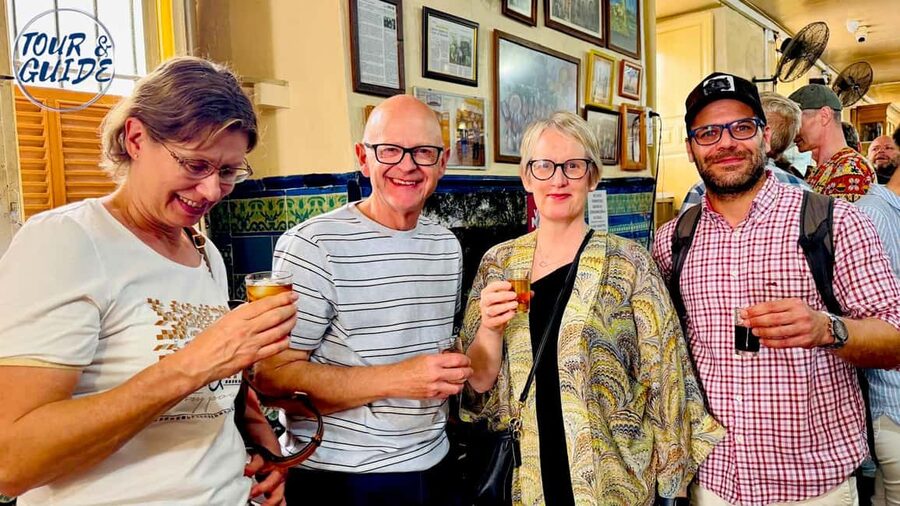
- Atarazanas Market tastings, in a former shipyard turned food hub where aromas guide you
Plaza de la Aduana, meeting by Alcazaba
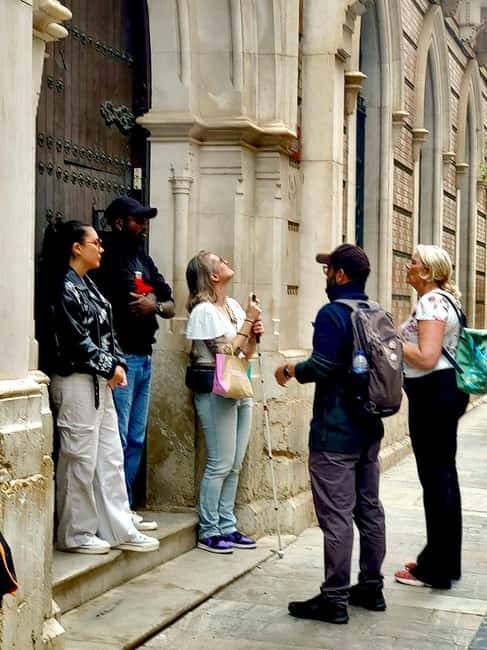
Your day starts at Plaza de la Aduana, next to the white tourist information kiosk by Alcazaba. It is a smart starting point because you are already near the historic core, not stuck crossing half the city before the first story begins. Your guide contacts you a few minutes beforehand by WhatsApp or phone, and you’ll see their identification card so you can match faces fast.
The practical value here is simple: once you find your guide and get orientated, you’ll spend less time in Málaga’s tight streets guessing where to go next. And since this is a walking tour, being able to hit the ground running matters.
A few other Andalusian days to consider



Puerta Oscura Garden: Málaga’s Phoenician beginning under the quiet
One of the most interesting opening moments is the Puerta Oscura Garden stop. What is now a calm garden was, in the 6th century BC, the spot the Phoenicians chose for the foundation of ancient Malaka. That contrast, quiet today and decisive back then, is exactly the kind of history lesson that sticks.
What you gain from this stop is context. Málaga is not only a beach city or a modern hangout. It is a place whose geography was chosen for a reason, then reused again and again by different cultures as time moved on. It also sets up the Roman Theatre visit so it feels like one long story, not three separate attractions.
Roman Theatre: the oldest visible piece of Málaga and how Romans played
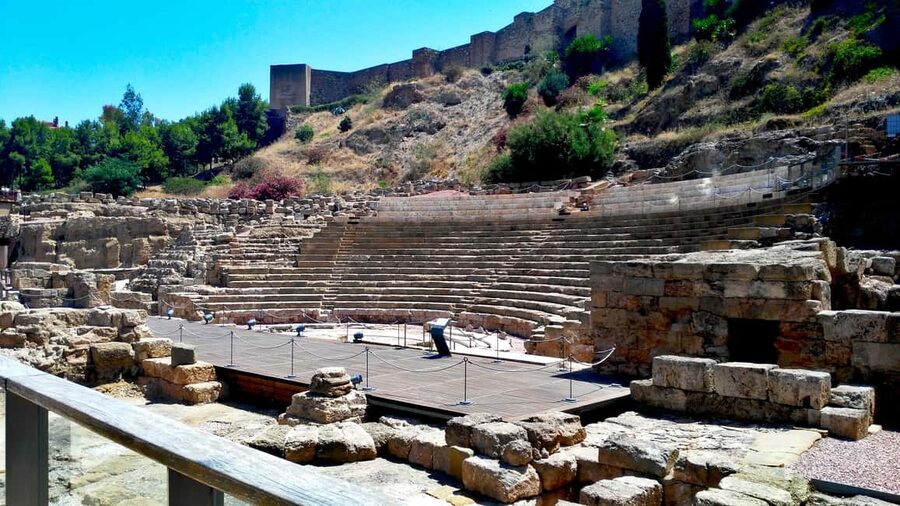
Next comes the Roman Theatre, a 1st-century structure, and the oldest one you can still see in the city. This is one of those stops where understanding the layout changes the whole experience. The guide walks you through what the stands were for and what kinds of spectacles filled the space, so you can picture it functioning instead of just photographing stone.
A big plus here is pacing. Even in a short tour, the Roman Theatre adds a different kind of “wow” compared to cathedrals and museum rooms. It gives you a sense of how performance and public life worked in Roman Málaga, and why certain structures stayed hidden for centuries before becoming visible.
If you care about architecture, this is the kind of stop that helps you see later buildings with clearer eyes.
Picasso and General Torrijos at Plaza de la Merced
Plaza de la Merced is a classic Málaga landmark, and it is more than a pretty square. Here you’ll learn about the large obelisk dedicated to General Torrijos, and you’ll also connect to Pablo Picasso through the city landmarks in the same area, including his birthplace.
This is where the tour’s art side becomes practical. If you are only visiting Picasso sites on your own, it is easy to treat them like checkboxes. The guide ties the facts to place, so Picasso feels rooted in Málaga’s streets, not floating as an imported legend. The result is that you’ll likely want to slow down on your own later and look for the details again.
Also, the walking route between major points helps you get your bearings quickly, which is exactly what you want on a first or second day.
A different plan for the same Malaga afternoon:
- Malaga: Catamaran Sailing Trip with Sunset Option
★ 4.4 · 8,613 reviews - Málaga: Alcazaba and Roman Theatre Guided Tour With Entry
★ 4.8 · 5,792 reviews - Ronda and Setenil Tour with Free Time and Map from Málaga
★ 4.8 · 5,344 reviews - From Málaga: Caminito del Rey Day Trip & Guided Tour
★ 4.8 · 4,683 reviews - From Malaga and Costa del Sol: Gibraltar Tour
★ 4.4 · 4,483 reviews
Calle Granada and Church of Santiago: Catholic Monarchs to a baptism story
From Plaza de la Merced you move toward Calle Granada, a street tied to the Catholic Monarchs’ victorious march in 1487. You are not just reading a date on a plaque. You are walking through the same general urban fabric where those turning points helped reshape power, faith, and daily life.
One particularly meaningful stop is the Church of Santiago. It is described as one of Málaga’s oldest churches and is linked to Picasso because of his baptism there. That connection does something I always appreciate in city history: it humanizes the timeline. You get a powerful cultural figure, but you also get a location you can stand in and feel the layers around.
Along the way, you may also pass well-known Málaga names such as El Pimpi Winery and the Picasso Museum. Even when you do not go inside everything, simply seeing where these institutions sit in the old town helps you build a map in your head.
Malaga Cathedral, La Manquita, and the legends of the unfinished look
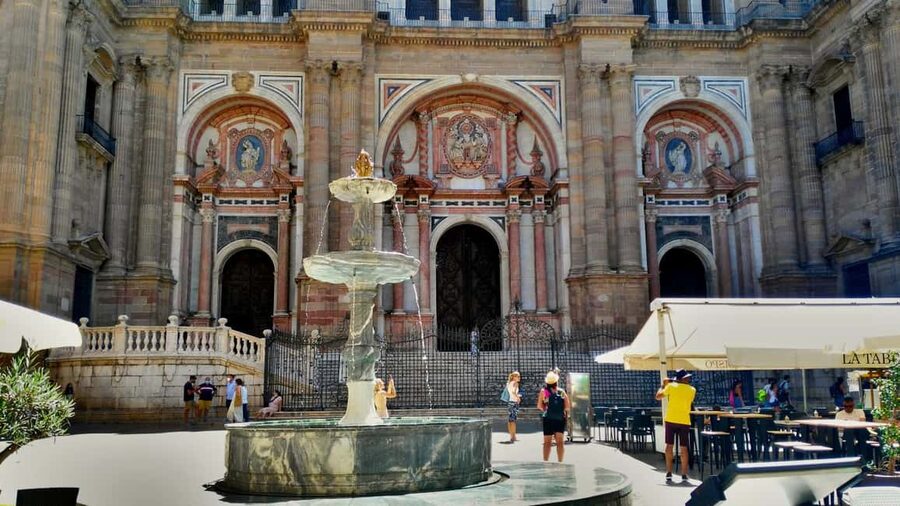
Then you reach the Catedral de la Encarnación, affectionately called La Manquita, the one-armed lady. The standout feature here is not just scale, it is the story behind why it was never finished and the legends that grew around it.
This part of the tour is valuable because it trains your eyes. Most people see a cathedral exterior and assume it is either complete or not. But Málaga Cathedral is known for its unfinished character, and hearing the why behind it helps you notice details that otherwise blend together. The guide also points out small elements that many first-time visitors miss, which makes your photos and your memory more interesting later.
If you like architectural quirks, you will likely enjoy this stop as much for the narrative as for the building itself.
Constitution Square, Plaza de las Flores, and Church of San Juan
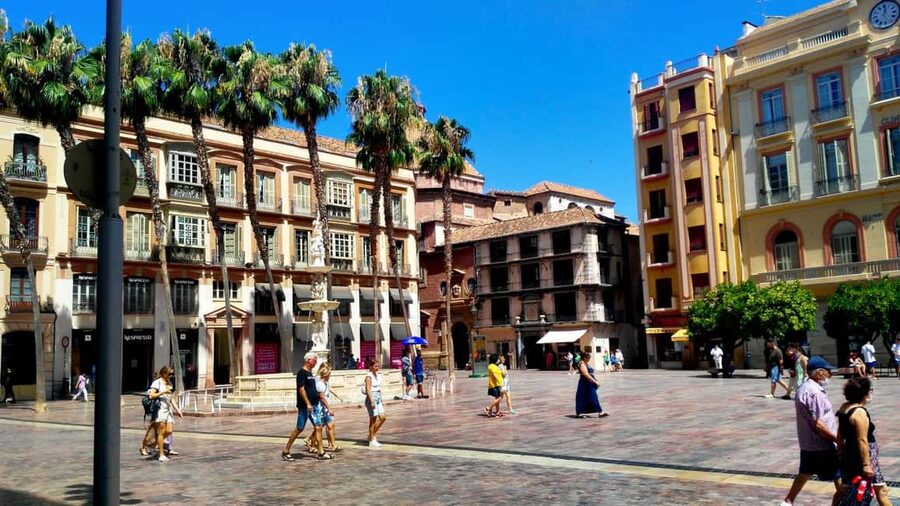
After the cathedral, the tour moves through the old town social heart. Plaza de la Constitución is where daily life and public energy historically gather, and the guide uses the space to explain how Málaga’s center functions as a meeting point.
Plaza de las Flores follows, a charming square that gives you a break from the heavy monument feel and shifts you into street-level Málaga. From there you continue toward the Church of San Juan, described as steeped in tradition and popular devotion.
What I like about this sequence is that it prevents the tour from becoming only big-ticket sightseeing. You get a sense of what people do around these places, and why certain corners feel lived-in rather than staged.
You’ll also appreciate that the guide looks for shade spots during explanations. That is not a small detail in Málaga, especially in warmer months.
Alcazaba fortress area and how the tour handles views

The experience includes exploration of the Roman Theatre and the Alcazaba fortress area. Even when you do not have hours to climb every hillside, this kind of inclusion matters because Alcazaba and the surrounding views help you understand why the city grew where it did.
For first-time visitors, it is a fast way to connect the historic center with the higher ground. You start to see Málaga not as a flat postcard, but as a city built on layers and sight lines.
Candied almonds, artisanal nougat, and tastings that fit the walk
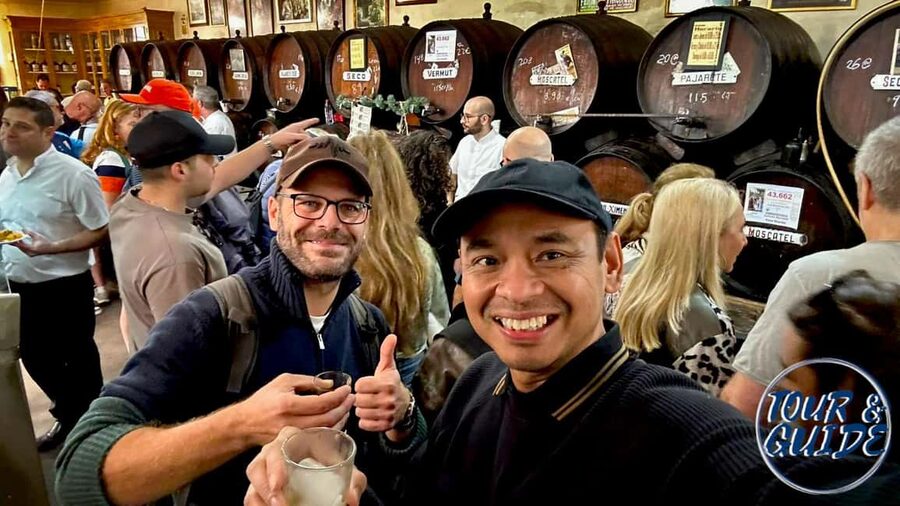
A walking tour has to feed you just enough to keep the energy up, and this one does that. You’ll enjoy a special tasting of local products such as candied almonds and artisanal nougat. These stops are timed so you can reset your legs and stomach before continuing into more landmarks.
You should also know that the tour ends with local food and drinks as a final surprise stop, and some runs include an extra layer like local wine or something close to tapas-style tasting, depending on the day. The key point is that tastings are part of the experience, not an afterthought where you scramble to find something nearby.
Practical tip: even though food is included, drinks are not necessarily included beyond the tastings, so have a little cash or a card ready if you want more than what is offered.
Mercado Central de Atarazanas: the former shipyard turned food market
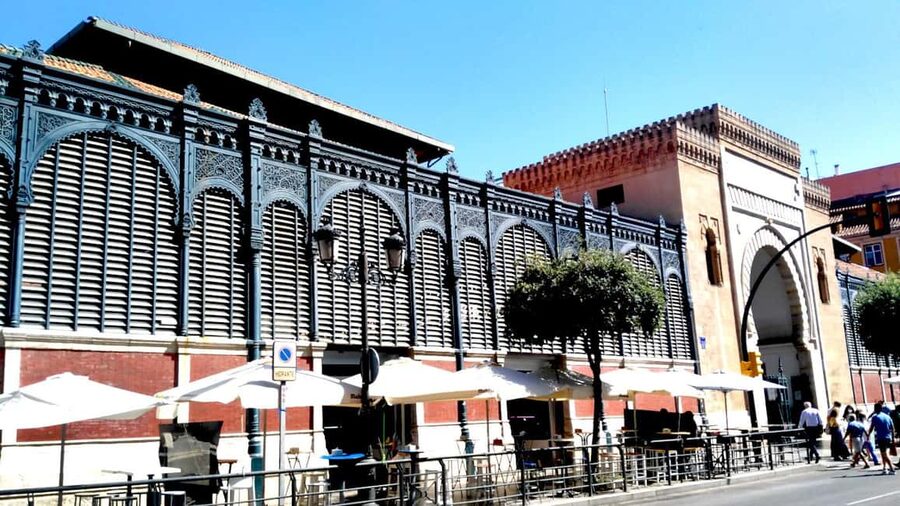
One of the best reasons to book this tour is the Atarazanas Market stop. You visit Mercado Central de Atarazanas, described as a former shipyard transformed into Málaga’s most authentic market. That transformation is the kind of story I love because it shows how cities keep reusing good bones.
Atarazanas works because it does sensory education. You walk in and aromas and colors guide you through the place. Then you connect what you taste and see to the idea that this is not a tourist market copy. It is a central market where locals browse and where you can understand the city through food.
If you plan to eat well in Málaga later, this is the stop that teaches you how to choose. It gives you a short list of what to look for and what to try once you are on your own.
The final surprise stop and what to do after you’re done
The tour ends with a surprise stop where you can sample local food and drinks, designed as a relaxed finish and a chance to toast and unwind. This matters because it turns the tour from a strict sightseeing line into something social.
Equally useful are the guide’s recommendations. In the feedback you can see a pattern: people love that Igor shares restaurant and shop ideas right at the end, tailored to what you like. If you pay attention during the tour and jot down a couple of names, you’ll save yourself time hunting later.
A small reality check: the advertised duration is 1.5 hours, and it can run longer when you ask questions, take extra time at a stop, or just linger where the guide is explaining something interesting. I suggest building in some flexibility for your afternoon, so the tour sets up the rest of your day instead of squeezing it.
How the guide style shapes the experience
A walking tour lives or dies by delivery, and the guide here mixes art history with humor and clear storytelling. Igor is described as funny, entertaining, and able to answer questions while keeping the route at a manageable pace. That combination is ideal for people who want more than facts, but still want facts that make sense.
You’ll also benefit from the small-group feel on many departures. Smaller groups often mean more back-and-forth, better pacing, and more time to ask questions without feeling rushed.
Language options are French, English, and Spanish, so you can pick the one that lets you follow the details comfortably.
Who this Málaga historical walk is best for
This tour fits especially well if you are:
- Visiting Málaga for the first time and want a clear orientation in the historic center fast
- Interested in art and stories tied to place, especially Picasso-related stops
- Planning to return later to specific monuments and want a map of what to prioritize
- Eating-minded travelers who like tastings built into the route, not as a separate detour
It may be less ideal if you hate walking, dislike crowded old streets, or want a fully structured museum-style schedule. This is a city-walking story experience, with plenty of stops tied to architecture, legends, and local context.
Should you book this Málaga walking tour?
If you want a high-value intro to Málaga that connects major monuments with real local flavor, this is an easy yes. For $26 per person, you get a guided walking route through headline sites like the Roman Theatre and Catedral de la Encarnación, plus Picasso-linked landmarks, plus tastings, plus a visit to Atarazanas Market. That is a lot packed into a short time, and the guide style is built to keep it fun.
Just book it with two smart expectations: bring comfortable shoes and plan for a bit of extra time beyond 1.5 hours. If you do that, you’ll likely walk away with both better bearings and better ideas for where to eat and what to revisit.
FAQ
Where is the meeting point for the tour?
Meet next to the white tourist information kiosk in Plaza de la Aduana, Málaga, next to Alcazaba.
How long is the tour?
The duration is 1.5 hours.
What are the main sights included on the walk?
You’ll visit or explore highlights in Málaga’s historic center including the Roman Theatre, Picasso’s birthplace area, Málaga Cathedral (La Manquita), and the Atarazanas Market, plus other historic squares and church stops along the way.
Is food included, or is it just sightseeing?
There is a tasting of traditional local products included, such as candied almonds and artisanal nougat. There is also a surprise stop at the end where you can sample local food and drinks. Additional drinks are not included.
What languages is the guide available in?
The live tour guide is available in French, English, and Spanish.
Can I cancel and get a refund?
Yes. Free cancellation is available up to 24 hours in advance for a full refund.
New arrivals around Malaga
- Malaga: group walking tour★ 5.0 · 1 review
- Andalusian Wine Tasting Tapas and DE wine tastings★ 5.0 · 1 review
- Malaga Moorish & Roman Heritage: Old Town, Alcazaba & Cathedral★ 4.0 · 1 review
- Marbella: Climb La Concha on Private Guided Hiking Trip★ 5.0 · 1 review
- Guided tour of Malaga fishing scene with cooking workshop★ 5.0 · 1 review
- Malaga: Explore Malaga on a Solar Scooter★ 5.0 · 1 review
2-Hour Experiences, compared.

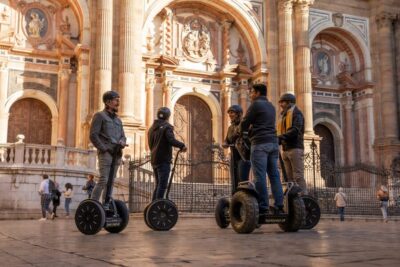
Malaga City Tour 2 Hours Monumental Segway Tour
Read our review →
2 Hours Buggy Safari Experience in the Mountains of Mijas with Guide
Read our review →
Off-road buggy tour Sierra de Mijas buggy 2h
Read our review →

Activated Sailing trip 2 hours from Puerto de Banús Marbella
Read our review →