
Reviewed · MÁLAGA
Visita teatralizada nocturna al Cementerio Inglés de Málaga
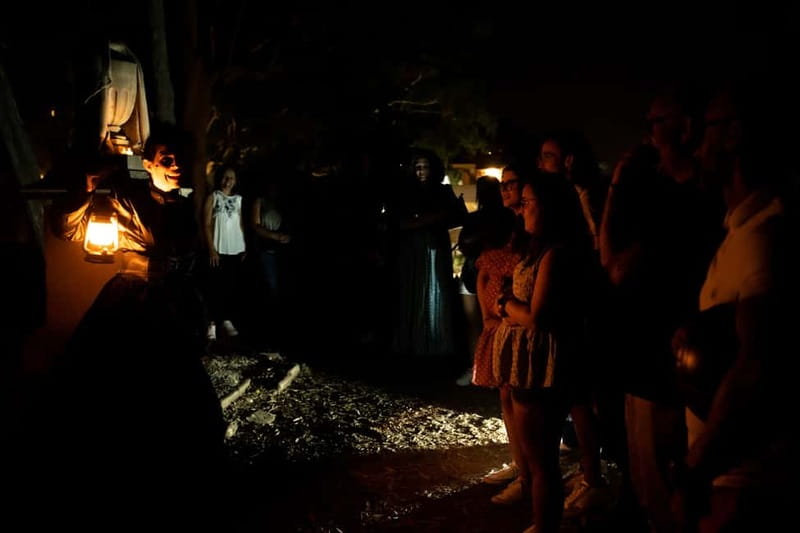
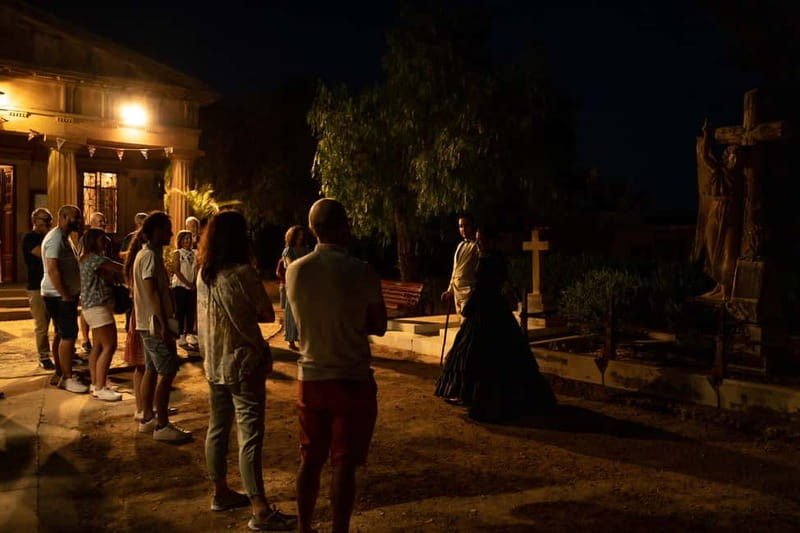
A cemetery story at dusk feels personal. This 1.5 hour, Spanish live tour turns Málaga’s English cemetery into a stage, where you hear dramatic tales while you walk the grounds at dusk. I love the actors’ passion and the fact you get closed-to-the-public access at night. One drawback to consider, the lighting can feel a bit tight for seeing every corner clearly, so go in expecting shadows.
You’ll learn why this cemetery matters, starting with the idea that it was built in 1831 for non Catholics in a time when burial practices were harsh and segregated. The stories you hear are specific and character-driven, including the captain Kritschman tale of a big Málaga shipwreck, the Robert Boyd execution story, and the mystery around Mary Ann, linked to the cemetery’s famous stone angel.
Because it’s a nocturnal visit, you’ll want to plan around the rules of the site: arrive 15 minutes early, and once the tour starts, you cannot enter or leave. There are also no bathrooms until the end, so go before you arrive if you can.
In This Review
- Key highlights you will feel right away
- Why Málaga’s English cemetery works best after dark
- The setting: what you’re actually visiting in Málaga
- The theatrical guide style, and how it affects your attention
- Walk through the grounds with the captain Kritschman story
- Robert Boyd and the story of an unjust execution
- Mary Ann, the stone angel, and why one statue carries weight
- Access at dusk: what it changes for your senses
- Skipping the line and staying locked in once it starts
- Price and value: is $23 worth an evening performance?
- Who this nocturnal theatrical tour suits best
- Practical tips so you enjoy it fully
- Should you book the Visita teatralizada nocturna at the English Cemetery?
- FAQ
- Where does the tour start?
- How long is the visit?
- What is the price?
- Is the tour in English?
- What time should I arrive?
- Can I enter or leave after the tour begins?
- Are there bathrooms during the visit?
- What is included in the ticket?
- Is cancellation possible?
Key highlights you will feel right away
- A first English cemetery in the Iberian Peninsula story, told at night with live guidance
- Closed-to-the-public evening access, so it feels like you have the place to yourself
- Shipwreck and execution tales tied to named characters, not vague folklore
- Mary Ann and the stone angel, one of the cemetery’s most famous sculptures
- Skip-the-line entry via a separate entrance, saving time before the start
Why Málaga’s English cemetery works best after dark
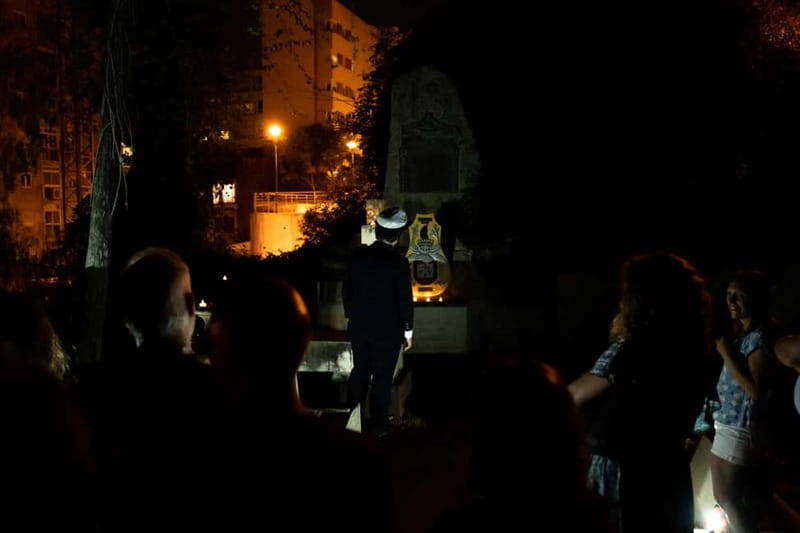
Night visits change your expectations fast. By the time the tour begins at dusk, the cemetery stops feeling like a typical landmark and starts feeling like a setting. You’re not just looking at stones, you’re listening to stories that were designed to be heard in the dark.
This is also the kind of experience that rewards curiosity. If you show up with zero context, you’ll still have fun, but the names and themes land harder when you’ve done a little pre reading. I like the way this tour encourages that without making it complicated.
The best part is the emotional tone. The dramatized style does not shy away from the grim themes: shipwrecks, executions, and deaths treated badly in an era when faith and status shaped burial rules. If you prefer light and sunny topics, this one is not that. But if you want something honest, tense, and genuinely different, it hits the mark.
Still choosing? Put this next to a few other Malaga days:



The setting: what you’re actually visiting in Málaga
You’re entering the English cemetery in Málaga, described as the first English cemetery of the Peninsula. That alone is a strong reason to go, because it places the site in a wider map of how communities organized themselves far from home.
The visit also frames Málaga as a city where cultures lived close, then got torn apart by what happened at the moment of death. In the story, burial practices for non Catholics were brutal until the construction of the English cemetery in 1831. Even if you treat some elements as dramatized storytelling, the underlying point is clear: this cemetery became a way to change the rules for how the community was handled in life and death.
As you walk, you’ll get a guided sense of scale and location. This is not a quick photo stop, it’s a guided path through the grounds where the telling of events guides where you look next. It makes you slow down, not just pass through.
The theatrical guide style, and how it affects your attention
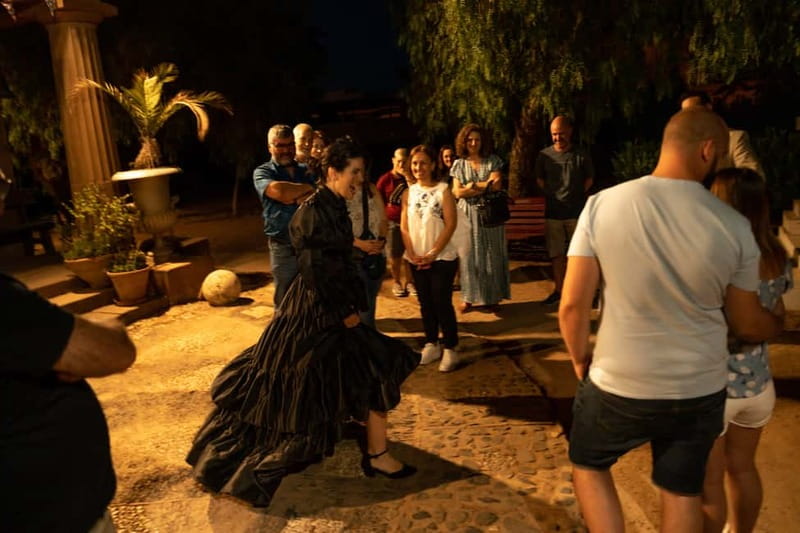
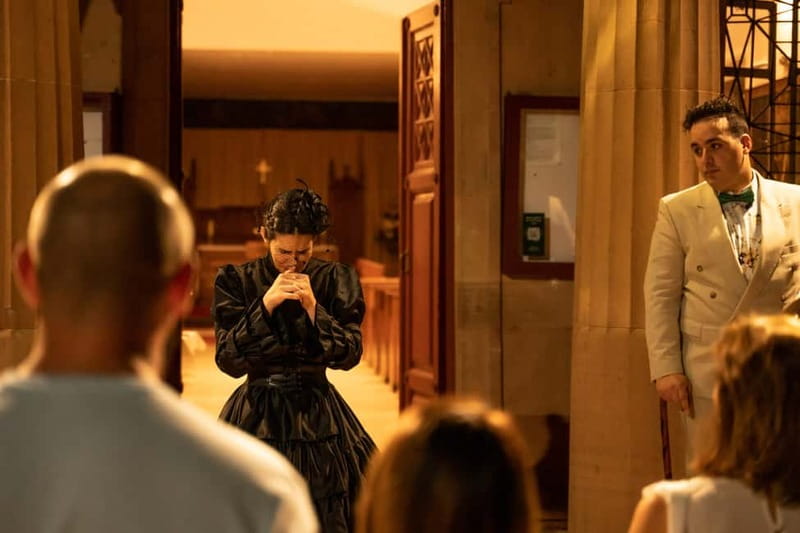
This tour is led by a live guide with dramatized characters, part of Historia Viva Málaga. The style is performance-first, with guides who bring the era to life as they narrate what happened. That’s why it feels less like a museum talk and more like a story with a route.
I really like the pacing because it keeps you switched on. Instead of repeating facts on a loop, the guide connects scenes to people and events, like the captain Kritschman shipwreck narrative or the Robert Boyd execution. You’re listening for details, then noticing symbols and names around you as the story references them.
The downside is the same reason it works. If you’re hoping for a standard, lecture-heavy tour with lots of daylight clarity, you might find the performance and the dusk lighting compete for your focus. Keep your expectations aligned: the goal is atmosphere and storytelling.
Walk through the grounds with the captain Kritschman story
One of the central tales you’ll hear is about a great shipwreck tied to Captain Kritschman. It’s the kind of story that naturally fits a cemetery setting, because maritime disasters were common, and survivors, families, and communities were left to deal with loss immediately.
In practice, this part is where you’ll start connecting emotion to place. When you hear about a shipwreck, you’re not just picturing the sea, you’re experiencing how the cemetery became a record of those tragedies. That gives the place weight beyond its physical beauty.
If you like real details, this is a good section to stay alert. Keep your ears open for how the guide frames who was involved, what it meant for the city, and how death after a disaster could turn into a long social story. It’s not presented as an academic essay, but it’s coherent and directed.
A different plan for the same Malaga afternoon:
- From Málaga: Caminito del Rey Day Trip & Guided Tour
★ 4.8 · 4,683 reviews - From Malaga and Costa del Sol: Gibraltar Tour
★ 4.4 · 4,483 reviews - Malaga: Teatro Flamenco Malaga Live Flamenco Show
★ 4.7 · 4,254 reviews - From Málaga: Ronda+Setenil de las Bodegas with Little Train
★ 4.6 · 4,115 reviews - From Malaga: Full-Day Trip to Gibraltar
★ 4.6 · 3,516 reviews
Robert Boyd and the story of an unjust execution
Another named event you’ll hear about is the unfair execution of Robert Boyd. This topic adds a sharper edge to the tour because it moves from tragedy to injustice. It also changes the tone of the walk, because you’re listening to consequences, not just calamity.
I like when tours handle this type of material carefully, and here the dramatized approach keeps it human. You’re asked, through the guide’s telling, to think about how a city handles death when laws, religion, or social rules feel out of balance.
One practical tip for this section: since it’s at night, keep your phone brightness low. You don’t need constant glare, and if the lighting is already limited, blasting your light can make it harder for others behind you. Quiet attention works better, and it helps you see the guide’s cues.
Mary Ann, the stone angel, and why one statue carries weight
Mary Ann is tied to the stone angel, described as the cemetery’s most valuable and famous sculpture. Even if you’re not a sculpture person, this is the moment where the tour gives you a clear anchor.
In tours like this, there’s usually one feature that turns the whole experience from story into meaning. Here, the stone angel acts like that. The guide’s narration helps you connect why someone would build or protect such a symbol, and why later visitors would remember it.
I found this part especially useful because it gives you something concrete to look for. As the guide points you toward the angel and explains Mary Ann’s connection, you get a visual focal point that your mind can hold onto as you move on.
Access at dusk: what it changes for your senses
This is a night tour, meaning the cemetery is not open to the public during your visit. That closed-to-public access matters more than you might think. It reduces distractions, so the dramatized telling lands with less noise in the background.
Dusk also changes how you read space. Stones and inscriptions can feel subtle even in daylight, and at night your eyes follow contrast instead. That means you’re less likely to get lost in details you can’t make out, and more likely to follow the guide’s route and the narrative thread.
If you’re sensitive to cold or uneven ground, wear shoes you trust. The tour is only 1.5 hours, but you’re still on the ground for most of it. Bring a light layer, because evening weather can shift quickly along southern Spain in late day.
Skipping the line and staying locked in once it starts
You get separate entrance access to skip the line, which is genuinely helpful when you’re meeting at a specific time. Arriving on schedule keeps you from missing the start, and this tour is strict once it begins.
The rule is simple: once the visit starts, you cannot enter or leave the cemetery. That’s not just an administrative detail, it changes how you plan your evening. If you think you might want to step away, grab a snack, or take extra photos, don’t. Instead, use the window before start time to do what you need.
Also, there are no bathrooms available until the end. This is the kind of detail that can ruin a good experience if you ignore it, so I recommend you handle that before you arrive, even if it seems obvious.
Price and value: is $23 worth an evening performance?
At around $23 per person for 1.5 hours, you’re paying for three things: the cemetery entry, closed evening access, and a live Spanish dramatized guide. That combination is where the value comes from.
A typical cemetery visit on your own might be cheaper, but you would miss the structure. Here, the stories give you a reason to keep walking and noticing. The performance style also makes time feel purposeful, not wasted waiting.
One more factor: the tour runs in Spanish. If you can follow Spanish comfortably, the value jumps because you’re not working with subtitles in your head. If Spanish is shaky for you, you might enjoy the atmosphere, but you might lose some of the story beats that make the tour feel special.
Who this nocturnal theatrical tour suits best
This tour is ideal for people who like experiences where history is told through characters and scenes. If you enjoy storytelling and live guides, you’ll probably have a great time.
It also works well for curious travelers who like unusual stops. You’re not in a standard daytime setting, you’re in a specific place with a specific theme: how a community buried its dead and shaped identity. That makes it a strong fit for couples, small groups, and even families that enjoy a spooky but controlled tone.
If you are traveling with kids, it can be a good match as long as they handle the darker themes. One review highlighted a child of about eleven years enjoying the visit, which suggests it can land well for older kids who like theater.
Practical tips so you enjoy it fully
Arrive early, about 15 minutes before. This tour expects you to be ready at the start, and once it begins, the door does not become a flexible option.
Wear shoes for uneven outdoor ground. Since it’s dusk, visibility can drop, and you want to avoid turning the experience into a careful step-fest.
For photos, keep expectations realistic. The lighting might not be perfect, so don’t plan on crisp night shots of everything. Instead, use photos to capture the highlights, then let the rest of the experience be about the narration.
If you want to get more out of the stories, do a light bit of reading first. You’ll recognize names and details as the guide connects them to the cemetery, and it makes the visit feel more satisfying.
Should you book the Visita teatralizada nocturna at the English Cemetery?
Book it if you want a night experience that feels different from a normal walking tour. I think the biggest selling point is the mix of closed-to-the-public evening access plus live dramatized storytelling, especially around the named tales like Captain Kritschman, Robert Boyd, and Mary Ann and the stone angel.
Skip it if you want a quiet, daylight-style cemetery visit or if you need bright lighting and frequent breaks. Also, only do it if you are comfortable with Spanish, since the guide works in Spanish and the story is the main product.
If you’re on the fence, consider this: you’re spending 1.5 hours at dusk in a unique place, guided through character-driven stories that give meaning to the stones. That is a strong use of time in Málaga, particularly if your trip schedule includes evenings you’d rather spend on something memorable than generic.
FAQ
Where does the tour start?
The meeting point is the entrance to the English cemetery.
How long is the visit?
The tour lasts about 1.5 hours.
What is the price?
It costs $23 per person.
Is the tour in English?
No. The live tour guide provides the visit in Spanish.
What time should I arrive?
You should arrive 15 minutes before the visit starts.
Can I enter or leave after the tour begins?
No. Once the visit has started, it is not possible to enter or leave the cemetery.
Are there bathrooms during the visit?
No bathrooms are available until the end of the visit.
What is included in the ticket?
You get entrance to the English cemetery, evening access at dusk, and skip-the-line entry through a separate entrance.
Is cancellation possible?
Yes. You can cancel up to 24 hours in advance for a full refund.
New arrivals around Malaga
- Malaga: group walking tour★ 5.0 · 1 review
- Andalusian Wine Tasting Tapas and DE wine tastings★ 5.0 · 1 review
- Guided tour of Malaga fishing scene with cooking workshop★ 5.0 · 1 review
- Malaga Moorish & Roman Heritage: Old Town, Alcazaba & Cathedral★ 4.0 · 1 review
- Marbella: Climb La Concha on Private Guided Hiking Trip★ 5.0 · 1 review
- Malaga: Explore Malaga on a Solar Scooter★ 5.0 · 1 review