
Reviewed · CATHEDRAL ENTRY TICKETS
Málaga: Cathedral, Alcazaba, Roman Theater Walking Tour
Málaga’s layers show fast here. In three hours, you move from a Renaissance cathedral to Moorish fort walls, then down to Roman stone and Picasso streets, with skip-the-line tickets and a live guide. It is the kind of route that makes the city feel connected, not like separate postcards.
I love the payoff from the Alcazaba viewpoints, and how the tour structure gets you to the best angles without wasting the whole morning. I also like the way the walking rhythm keeps switching centuries, so you end up understanding why each monument matters in Málaga’s story.
One consideration: this is a walking tour with hills, and it is not suitable for people with mobility impairments.
In This Review
- Key highlights you will feel fast
- Why the Cathedral, Alcazaba, and Roman Theatre connect so well
- Plaza de la Marina start: how the pacing works
- Entering the Renaissance Cathedral of Malaga, even when access changes
- Alcazaba on Gibralfaro: the views you remember
- The Roman Theatre stop: where the city’s older pulse shows
- Picasso’s neighborhood walk: Plaza de la Merced, Calle Larios, and more
- Price and time: is $53 worth it for a 3-hour tour?
- Who should book this walking tour, and who should skip it
- Should you book this Málaga Cathedral, Alcazaba, and Roman Theatre tour?
- FAQ
- How long is the Málaga walking tour?
- Where do I meet for the tour?
- Which attractions include skip-the-line access?
- Are tickets included in the price?
- What languages are the live tours offered in?
- What should I wear or bring?
- Is the tour suitable for people with mobility impairments?
Key highlights you will feel fast
- Skip-the-line access for Alcazaba, Roman Theatre, and the Cathedral
- Panoramic views from the Alcazaba, reached using the elevator
- Narrated route that ties together the Cathedral, Roman Theatre, and Picasso neighborhood
- Picasso stops including a Picasso statue and streets around Plaza de la Merced
- A practical 3-hour length that works well early in your trip
- Mass-day flexibility, with explanations often happening outside the Cathedral
Why the Cathedral, Alcazaba, and Roman Theatre connect so well
Málaga is one of those cities where the past keeps showing up in different costumes. This tour is smart because it does not treat the Cathedral, Alcazaba, and Roman Theatre as unrelated stops. You experience them as steps in the same long, shifting story.
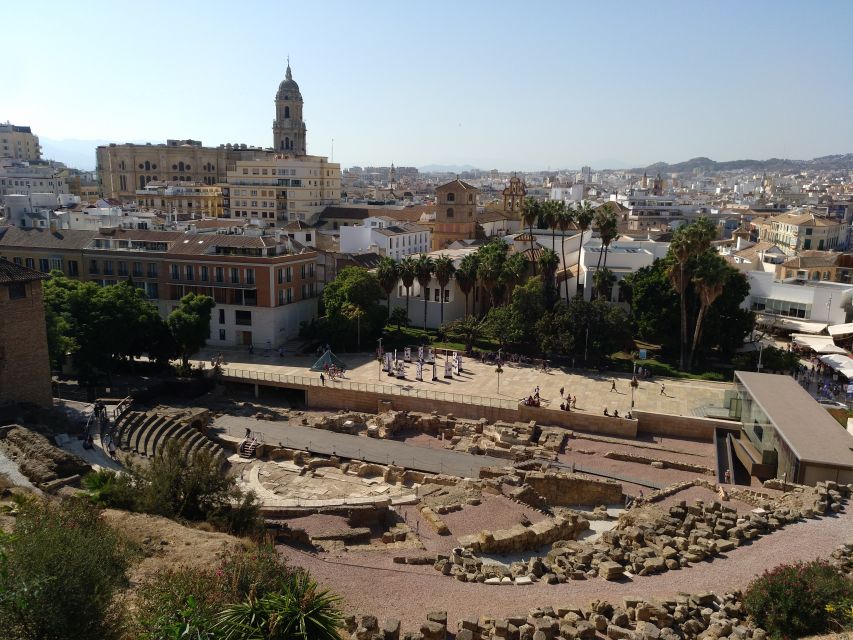
You start in the historic center, then climb into the Moorish fortress on Gibralfaro Mountain for the views. After that, you shift back down toward older Roman remains, and then finish in the Picasso area where modern creativity sits right next to old streets. If you want a quick overview that actually helps you orient your next day plans, this is a strong way to do it.
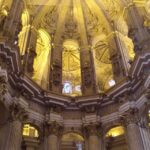
More visits to the one-armed cathedral:
Plaza de la Marina start: how the pacing works

The walk starts at the door of the Tourist Information Office. From there, you head toward the Renaissance Cathedral of Malaga, with your guide pointing out details as you go. This matters because the “in-between” streets are part of the experience, especially in a city where small landmarks and street names carry meaning.
It also helps that the tour timing is built around a real walking flow. On the days of mass in the Cathedral, the explanations take place outside the building, so you still get context without the tour stalling. Expect a lively guide who keeps the group moving while still stopping for photos and questions.
Entering the Renaissance Cathedral of Malaga, even when access changes
The Cathedral of Malaga is the tour’s Renaissance anchor. Your guide highlights specific details so you notice things beyond the obvious front view. That is where you start picking up the bigger picture: how religious power, city identity, and art style all shaped what stands there.
If access is limited on a given day, you will still get the explanation outside. That sounds like a small change, but it often makes a big difference. You leave with meaning attached to the building, not just a quick glance and a photo.
Alcazaba on Gibralfaro: the views you remember

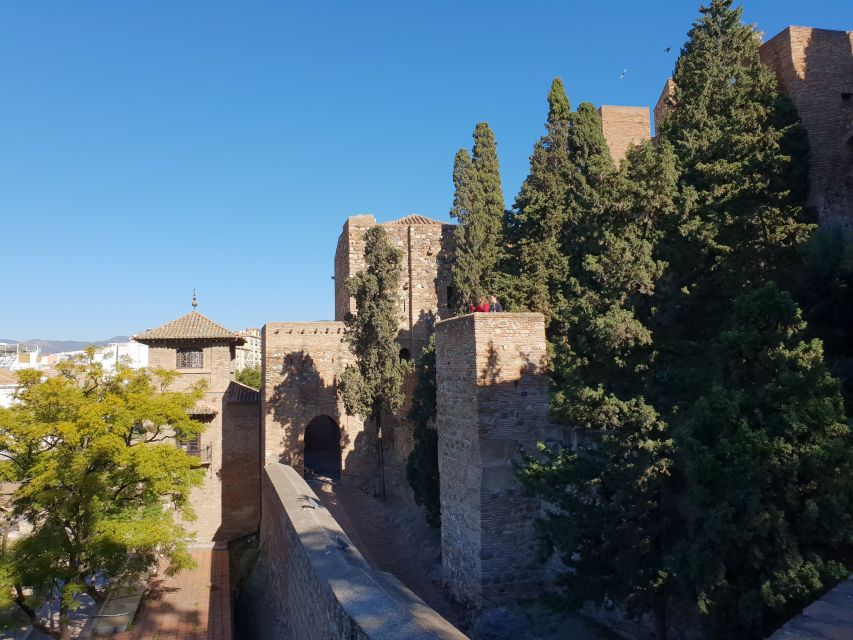
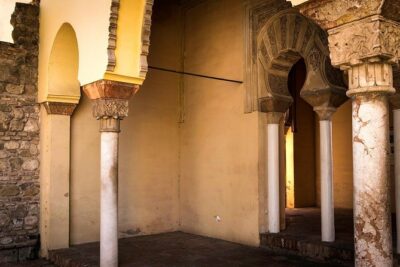
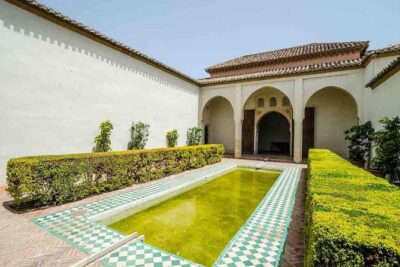
Alcazaba is built into the sides of Gibralfaro Mountain, which is why it feels different from a flat monument visit. Here, the tour does something practical: you take the elevator to the highest point so you can enjoy the panorama without grinding up every step. You also get a guided walk through the fortress feel, which makes the layout easier to understand.
I especially like the way the guide uses the viewpoints to explain why the site was placed here in the first place. High ground means defense, but it also means control, sightlines, and a commanding relationship with the city below. When you stand where you can see Málaga spread out, a lot of the fortress logic clicks.
This is also a great stop for photos. You will likely want a few angles: one broad overview for orientation, then closer shots that show textures of walls and terraces. Wear comfortable shoes, because even with the elevator, you still walk and change elevations.
More ways up to the Alcazaba and Gibralfaro:
- Málaga: Alcazaba and Roman Theatre Guided Tour With Entry
★ 4.8 · 5,792 reviews - Alcazaba Malaga Guided Tour
★ 5.0 · 1,457 reviews - Málaga: Roman Theatre and Alcazaba Guided Tour
★ 4.5 · 1,219 reviews - Segway Tour in Málaga: Gibralfaro Castle Port & Bullring
★ 4.9 · 341 reviews - Tour to Gibralfaro
★ 4.7 · 182 reviews
The Roman Theatre stop: where the city’s older pulse shows

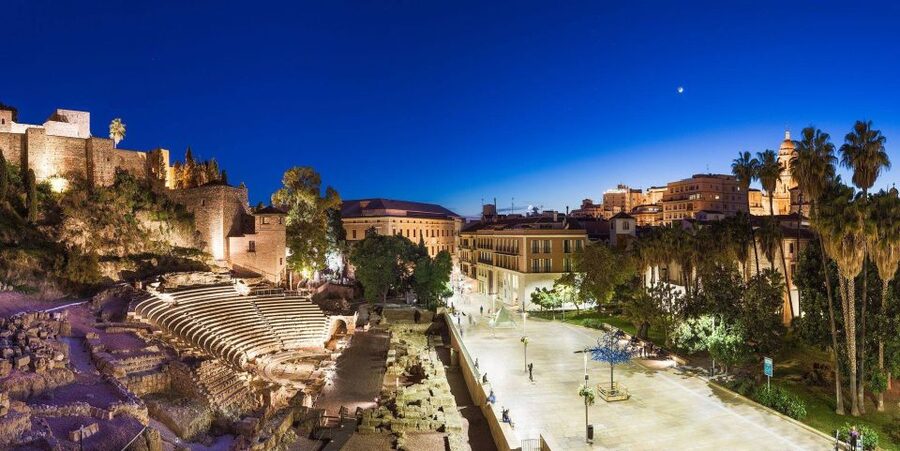
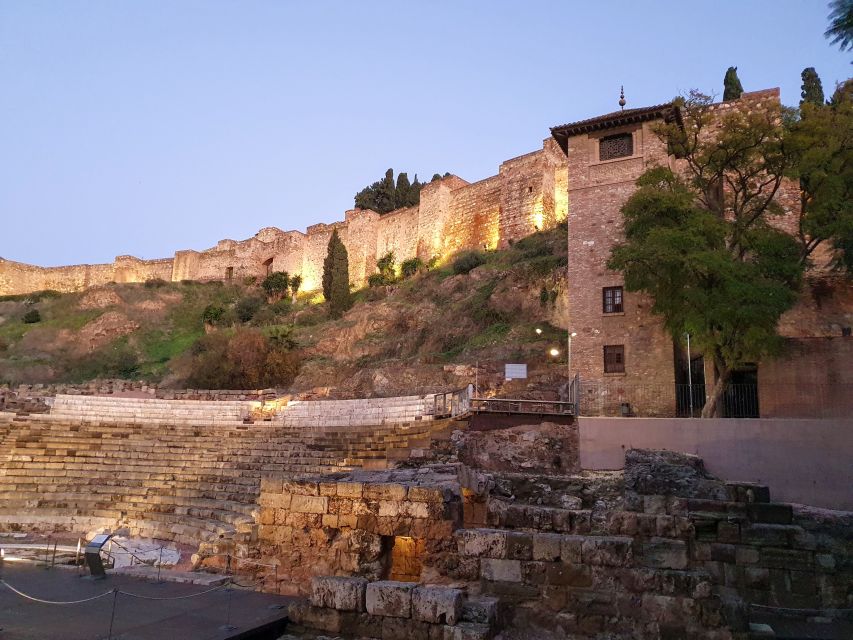
Before you head into the Picasso streets, you visit the Roman Theatre. It is a good contrast to the fortress because Roman remains tend to feel quieter and more open. Your guide connects it to what came before and what came after, so the Roman pieces do not feel like random ruins.
This stop is also a reminder that Málaga was shaped long before the medieval walls and the Cathedral rose. You can think of the Roman Theatre as one of the city’s earlier stages, a place built for public life and shared culture. If you listen for the guide’s story, you start imagining how the space worked instead of treating it like a static shell.
And yes, skip-the-line access helps here. When you have limited time, it is much easier to enjoy the theatre as a site rather than waiting around for entry.
Picasso’s neighborhood walk: Plaza de la Merced, Calle Larios, and more
After the Roman Theatre, the tour shifts into the streets where Picasso lived. This part is less about strict monument rules and more about street-level discovery. You get stops that help you picture the everyday Málaga that a famous artist moved through, including a Picasso statue and time at Plaza de la Merced.
The walk also includes Plaza del Obispo and Calle Larios. That gives you a nice mix of squares for pauses and a main shopping street for a sense of the city’s flow. Guides often bring the route to life by tying art, neighborhood character, and historical context together so the modern feel does not feel tacked on.
If you want an easy way to plan your next meals and wanderings, this is where it helps to be in a guided group. Your guide can point you toward nearby areas that fit your vibe, whether you want something casual or you want to linger longer in a square.
Price and time: is $53 worth it for a 3-hour tour?
At $53 per person for a 3-hour guided walk, value comes down to two things: what you pay for and what it saves you. You get an official guide plus tickets for the Alcazaba, Roman Theatre, and Cathedral. That matters because each entrance has its own cost when you buy separately, and skip-the-line access is time you do not have to fight for.
The other value is the guide’s narration. You are not just collecting photos. You are learning what to look for at each stop, including panoramic logic at the Alcazaba and how the Cathedral’s context changes depending on access during mass days. For a short trip, this kind of guidance often turns a “see it fast” visit into a “now I get it” visit.
The only real trade-off is pacing. Alcazaba is a place where some people want extra time to wander slowly. If you are the type who could easily spend half a day inside one fortress area, you might find 3 hours feels a bit compressed. You can solve that easily by leaving space the next day for self-paced browsing and additional photos.
Who should book this walking tour, and who should skip it
This tour is a great fit for first-timers in Málaga who want a clean overview with real context. It is also ideal if you like storytelling guides who connect architecture to the city’s changing eras. Many guides leading this route are praised for making it feel like a single narrative, not three isolated ticket lines.
It is less ideal for anyone who needs mobility assistance. The route includes walking and hillside terrain, and the tour is specifically marked as not suitable for people with mobility impairments. If that describes you, consider an alternative format that reduces walking or offers different access.
If you travel with teenagers or you want something that feels structured without being boring, this works well too. You hit the big “wow” sites in a compact amount of time, then you end with the Picasso streets where the city becomes more playful and modern.
Should you book this Málaga Cathedral, Alcazaba, and Roman Theatre tour?
Book it if you want the highest-value combination of Málaga landmarks in a single afternoon block. The skip-the-line tickets, official guidance, and elevator-assisted views from the Alcazaba make this one efficient plan. It is also a smart move early in your trip, because the viewpoints and street connections help you navigate your remaining days.
Skip it if you want long, unhurried time in just one area. The tour is designed as a 3-hour loop. If your goal is slow wandering inside Alcazaba, plan to add extra time separately.
If you do book, show up in comfortable clothes and shoes you can walk in. Bring a phone for photos, but also be ready to look around while you are standing still, because the best moments here are the moments you understand what you are seeing.
FAQ
How long is the Málaga walking tour?
It lasts 3 hours.
Where do I meet for the tour?
Meet by the door of the Tourist Information Office.
Which attractions include skip-the-line access?
Skip-the-line access is included for the Alcazaba, Roman Theatre, and the Cathedral.
Are tickets included in the price?
Yes. Tickets for the Alcazaba, Roman Theatre, and Cathedral are included, along with an official guide.
What languages are the live tours offered in?
The live guide is available in Spanish and English.
What should I wear or bring?
Bring comfortable clothes, and plan on walking.
Is the tour suitable for people with mobility impairments?
No. It is not suitable for people with mobility impairments.
The Old Centre on Foot
- Malaga Bike Tour – Old Town, Marina & Beach
★ 4.7 · 1,150 reviews - Málaga: 3-Hour Complete Walking Tour with Tickets
★ 4.5 · 976 reviews - Malaga Private Walking Tour, Alcazaba & Catamaran Cruise
★ 5.0 · 159 reviews - Walking Tour of Malaga’s Historic Center
★ 4.5 · 134 reviews
New arrivals around Malaga
- Malaga: group walking tour★ 5.0 · 1 review
- Andalusian Wine Tasting Tapas and DE wine tastings★ 5.0 · 1 review
- Guided tour of Malaga fishing scene with cooking workshop★ 5.0 · 1 review
- Malaga Moorish & Roman Heritage: Old Town, Alcazaba & Cathedral★ 4.0 · 1 review
- Marbella: Climb La Concha on Private Guided Hiking Trip★ 5.0 · 1 review
- Malaga: Explore Malaga on a Solar Scooter★ 5.0 · 1 review
Cathedral Entry Tickets, compared.
Malaga Tour with Cathedral, Alcazaba and Roman Theatre
Read our review →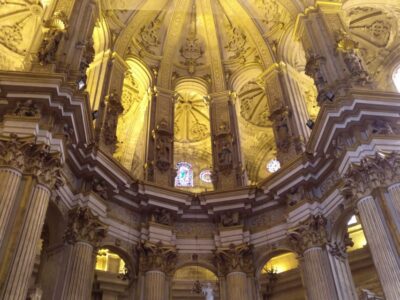
Skip-the-Line Malaga Cathedral Tickets with Tour
Read our review →
Seville Full Day Trip with Cathedral from Malaga
Read our review →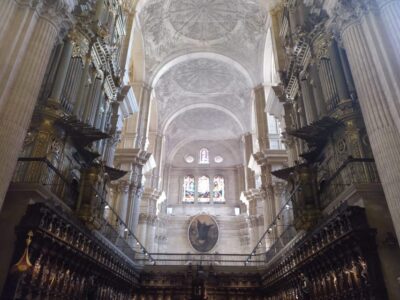
Old Tour Walking Tour w/Cathedral & Picasso Museum
Read our review →
Private Malaga: Alcazaba, Museum, Market, Cathedral & Picasso
Read our review →
Malaga Private Tour: Alcazaba, Market, Catedral & Picasso
Read our review →Browse the lists this tour appears in