
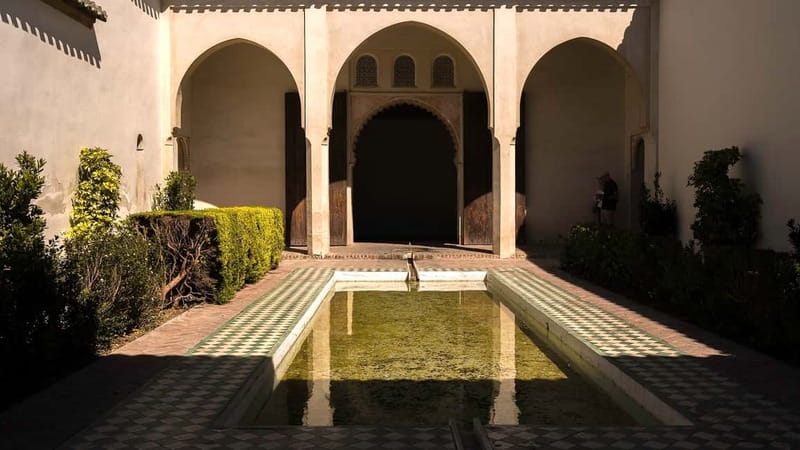
Reviewed · ALCAZABA & GIBRALFARO TICKETS
Málaga: Roman Theatre and Alcazaba Guided Tour
Roman ruins with serious skyline views.
This Málaga combo tour ties together Teatro Romano and the Alcazaba so you see how the city got built, fought over, and repurposed over centuries. I like that it is time efficient, and I also like that the guide makes the stone feel like a story, not a slideshow.
Two things I really enjoy: first, the way you go from the Roman era straight into Moorish-era fortifications without losing the thread. Second, the climb to the ramparts pays off with wide views over Málaga, including the fortress area and the hills around. One catch to plan for: the walk includes stairs and inclines, so it may be tough if you have back pain or mobility limits.
In This Review
- Why Teatro Romano and the Alcazaba belong on the same ticket
- Key details at a glance
- Meeting at the glass pyramid on Calle Alcazabilla
- Roman Theatre walk: from Roman Republic roots to Augustus-era Málaga
- Alcazaba citadel: best-preserved fortress walls plus Patio de Armas views
- Fortress views: Fortaleza de Gibralfaro and the logic of defense
- The guide is half the magic, from Dani to Maria and Belen
- Pacing, steps, and who should think twice
- Skip-the-line value: is $17 a good deal here?
- Practical timing tip: plan around site hours
- Should you book the Málaga Roman Theatre and Alcazaba tour?
- FAQ
- Where does the tour meet?
- How long is the Roman Theatre and Alcazaba guided tour?
- How long do you spend at each site?
- What is included in the $17 price?
- Do I get skip-the-line access?
- What languages are the guides?
- What should I bring?
- Is the tour allowed for pets?
- Is it suitable for people with back problems or mobility impairments?
- What if I arrive late to the meeting point?
- Can I cancel and get a full refund?
Why Teatro Romano and the Alcazaba belong on the same ticket
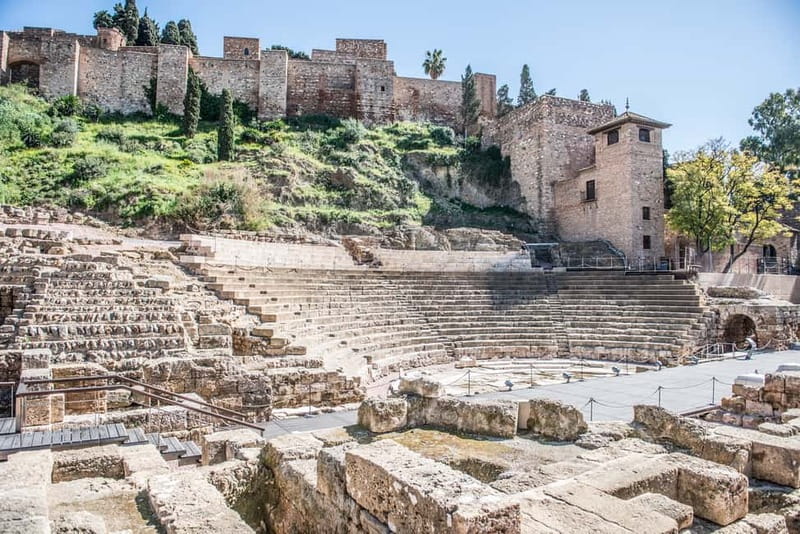
Málaga’s Roman Theatre sits at the foot of the Alcazaba. That means you are not hopping across town to “see ruins,” you are walking through the same general power zone, where old layers of rule and defense overlap.
Start with the Roman side and you get the story leading toward Augustus, the first emperor of the Roman Empire, reigning from 27 BC until AD 14. Then you move into the Alcazaba, which is the best-preserved citadel of its kind in Spain. Put together, it is a clear lesson in how cities reuse real estate, not just ideas.
Key details at a glance
- Roman Theatre first, then Alcazaba: the order helps you understand what changed between empires
- Skip-the-line entry: you go in through a separate entrance, so you spend more time inside
- Two 40-minute guided stops: enough time to learn without dragging
- Ramparts and hilltop panoramas: climb for views, not just photos
- Stories in Spanish or English: guided by local professionals who keep the pace moving
More ways up to the Alcazaba and Gibralfaro:


Meeting at the glass pyramid on Calle Alcazabilla
You will meet at the Pirámide de Cristal in Calle Alcazabilla. Look for the orange umbrella, then get ready for a walking start.
This is one of those tours where timing matters. If you arrive late, you will not be able to enjoy the visit, and you will not get a refund. So if you are using public transport or you are coming from the port area, give yourself buffer time.
Wear comfortable shoes. The tour is not described as an all-flat stroll, and the sites are on a hill and around walls. Plan to keep your feet happy so you can enjoy the viewpoints.
Roman Theatre walk: from Roman Republic roots to Augustus-era Málaga
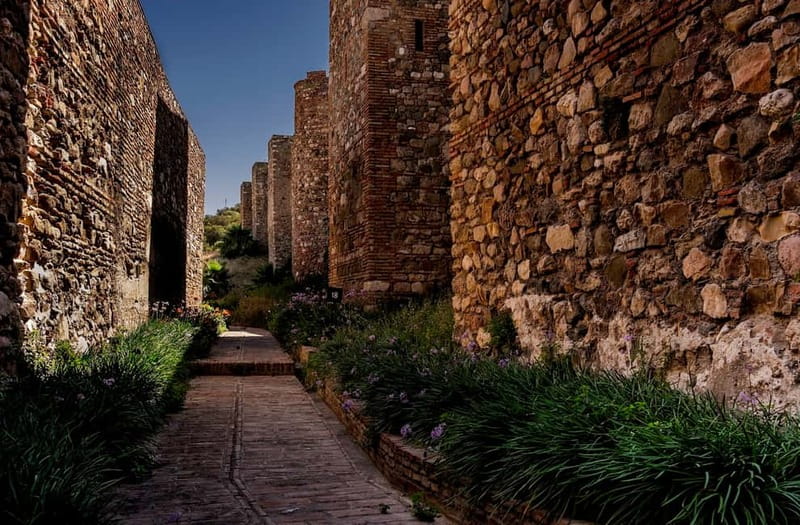
The tour begins at the Roman Theatre, with a guided visit around 40 minutes. This is not just a look at seating stones. You learn how the building fits into the Roman Republic era and then into the Augustan moment, when Roman authority became far more centralized.
Here is what I like about starting with the Teatro Romano: it gives you a mental map. Once you understand what the Romans built and why, the Alcazaba afterward makes more sense as a later layer of power, defense, and adaptation.
The theatre is also described as the oldest monument in Málaga. That alone is worth something, but the guide adds the “why it mattered” part, including how the building was used and how it evolved over time.
Alcazaba citadel: best-preserved fortress walls plus Patio de Armas views
After the theatre, you head into the Alcazaba of Málaga for another 40 minutes. The experience feels like a protected walk up through time, because you are moving from one landmark to the next, inside the historic citadel.
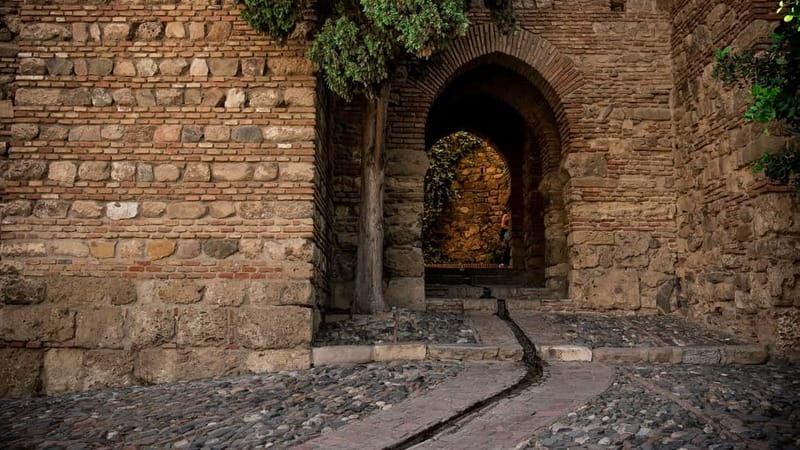
You enter the former defensive complex and climb the ramparts for panoramic views from the hill. You will also pass through the area connected with the Puerta del Arco de Cristo, described as including a former chapel. Those details matter because they show how sacred space and military space often overlapped in long-lived fortresses.
One highlight is the Patio de Armas, the main courtyard. Even if you are not a hardcore architecture person, a patio is where you start feeling the scale. From there, the walls and openings frame Málaga in a way you do not get from street level.
The guide also ties in major historical shifts, including what happened during the 15th-century Siege of Málaga in the Reconquista and what came after. That helps you connect ruins to real conflict, not just sightseeing.
A few other Andalusian days to consider
- From Málaga: Caminito del Rey Day Trip & Guided Tour
★ 4.8 · 4,683 reviews - From Malaga: Ronda and Setenil Guided Tour Day Trip
★ 4.5 · 3,072 reviews - Malaga Wine & Tapas Small Group Guided Tour
★ 5.0 · 1,972 reviews - From Málaga: Caminito del Rey Guided Day Trip
★ 4.8 · 920 reviews - From Costa del Sol & Malaga: Caminito del Rey Guided Tour
★ 4.4 · 873 reviews
Fortress views: Fortaleza de Gibralfaro and the logic of defense
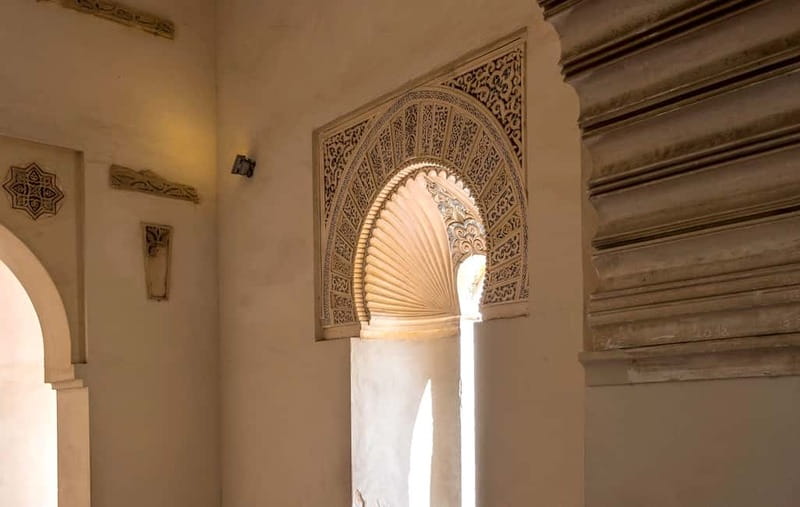
On the higher parts of the site, you look outward toward Fortaleza de Gibralfaro, built in the 14th century to house troops and protect the Alcazaba from attack. That is the kind of fact that can sound dry until you can actually see the surrounding area.
So when you are up on the ramparts, pay attention to what you can see and what you cannot. Fortresses were built to control movement, spot threats, and keep defenders close. Knowing that the guide is pointing out the logic of protection makes your photos better, because you understand what you are capturing.
This is also where the view often becomes the “second show.” The tour tells you what to look for, then the hilltop does the rest.
The guide is half the magic, from Dani to Maria and Belen

The best part of this tour is how smoothly guides turn stone into narrative. Many of the tours are led by locals who use humor, simple explanations, and visual aids.
For example, Dani is praised for being funny and for showing photos of how the castle looked in earlier times. That is a smart technique here, because ruins can feel confusing until you see what parts looked like before time and weather worked on them.
You will also find praise for guides like Maria and Belen, described as welcoming and fun, and for Fabiola, Natalia, Kevin, Lidia, and Keko for making the sites engaging and interactive. People repeatedly mention how the guide keeps the group together and helps everyone follow along, even when the walking gets a little uneven.
One practical tip I took from the way these guides operate: ask questions as you go. With this kind of site, questions are easy to answer in context because the guide can point to features around you, not just talk in abstract terms.
Pacing, steps, and who should think twice
This tour lasts 90 minutes, and the split is 40 minutes at the Roman Theatre and 40 minutes at the Alcazaba. That is a good length for a first big ruins hit, especially if you do not want to spend half your day climbing around.
But be realistic about your body. It is not suitable for people with back problems, mobility impairments, or wheelchair users. The route includes stairs and inclines, including rampart climbing and hilltop sections.
Even if you are generally okay walking, bring a “slow and steady” mindset. That is how you keep the pace without missing the story beats. And if you are traveling with kids or anyone who gets tired easily, consider that one of the tour’s strengths is keeping the walk manageable, not that it is flat.
Also note that pets are not allowed. If you have a companion animal, you will need an alternate plan.
Skip-the-line value: is $17 a good deal here?

$17 per person for 90 minutes with guided walking plus entrance to both the Roman Theatre and the Alcazaba is strong value, especially in a place where self-guided browsing can feel like wandering.
Why? Because these sites overlap in theme but not in language. The Roman Theatre context matters, but without someone explaining it, you can miss how Augustus fits into Málaga’s timeline. Then the Alcazaba can look like “just walls” unless you understand what spaces like Patio de Armas were for, and how the citadel changed after sieges and reconquests.
A paid guide also helps you avoid dead ends. You see the important parts in the right order, including the ramparts for views, and you get the context behind features like the Puerta del Arco de Cristo area. For $17, the time saved and the “aha” factor usually outweigh the cost.
If you are the kind of traveler who reads plaques slowly and wants a quick hit, this is a good fit. If you are a hardcore archaeology person who loves long, quiet exploration, you might want extra independent time after the tour.
Practical timing tip: plan around site hours
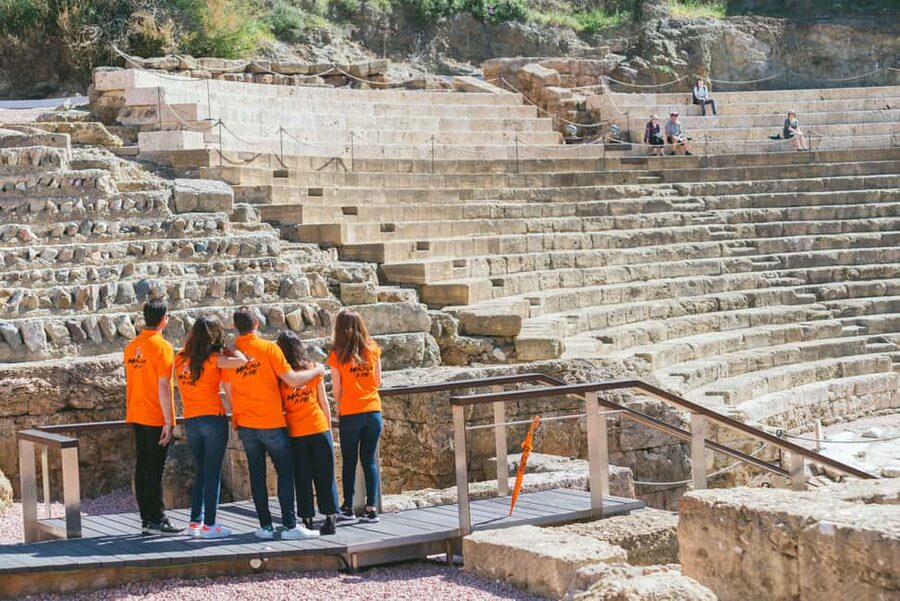
One note to watch: there can be days when the Roman Amphitheatre is closed, with one example being Mondays. The guided tour still runs as scheduled, but if you are hoping to see every Roman-related piece at full operation, check your day of the week before you commit your whole schedule.
This tour is still a great use of time either way, but your expectations should match the day.
Should you book the Málaga Roman Theatre and Alcazaba tour?
Book it if you want a structured, efficient tour that turns two major Málaga landmarks into a single connected timeline. I think it is especially worth it if you are visiting for a short time, because you get Roman foundations plus Moorish fortifications, and you finish with hilltop views.
Skip it if you need step-free routes or if back and mobility issues make climbing difficult. Also, if you hate guided pacing and prefer total independence, you might feel constrained by the group walk.
If you can handle walking and you like your history explained with humor and clear storytelling, this is one of the better value guided options in Málaga. It is the kind of tour that helps you understand the city fast, and then enjoy the rest of Málaga with better context.
FAQ
Where does the tour meet?
The meeting point is Calle Alcazabilla at the glass pyramid (Pirámide de Cristal). Look for the orange umbrella.
How long is the Roman Theatre and Alcazaba guided tour?
It lasts about 90 minutes total.
How long do you spend at each site?
Roman Theatre is guided for about 40 minutes, and the Alcazaba is guided for about 40 minutes.
What is included in the $17 price?
The tour includes a guided walking tour and entrance to both the Alcazaba and the Roman Theatre.
Do I get skip-the-line access?
Yes. It includes skip the line entry through a separate entrance.
What languages are the guides?
Tours are available in Spanish and English.
What should I bring?
Wear comfortable shoes.
Is the tour allowed for pets?
No, pets are not allowed.
Is it suitable for people with back problems or mobility impairments?
No. The tour is not suitable for people with back problems, people with mobility impairments, or wheelchair users.
What if I arrive late to the meeting point?
If you arrive late, you will not be able to enjoy the visit, and no refund will be made.
Can I cancel and get a full refund?
Yes. You can cancel up to 24 hours in advance for a full refund.
New arrivals around Malaga
- Malaga: group walking tour★ 5.0 · 1 review
- Andalusian Wine Tasting Tapas and DE wine tastings★ 5.0 · 1 review
- Malaga Moorish & Roman Heritage: Old Town, Alcazaba & Cathedral★ 4.0 · 1 review
- Marbella: Climb La Concha on Private Guided Hiking Trip★ 5.0 · 1 review
- Guided tour of Malaga fishing scene with cooking workshop★ 5.0 · 1 review
- Malaga: Explore Malaga on a Solar Scooter★ 5.0 · 1 review
Alcazaba & Gibralfaro Tickets, compared.
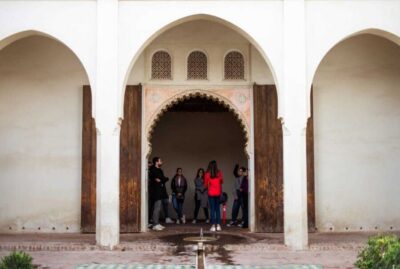
Alcazaba and Roman Theatre Guided Tour With Entry
Read our review →
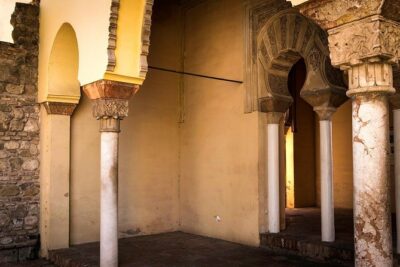
Malaga Tour with Cathedral, Alcazaba and Roman Theatre
Read our review →
Segway Tour in Málaga: Gibralfaro Castle Port & Bullring
Read our review →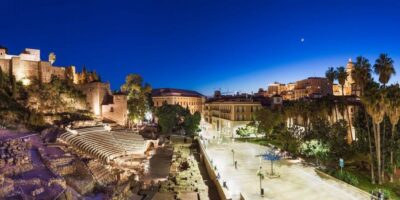
Cathedral, Alcazaba, Roman Theater Walking Tour
Read our review →
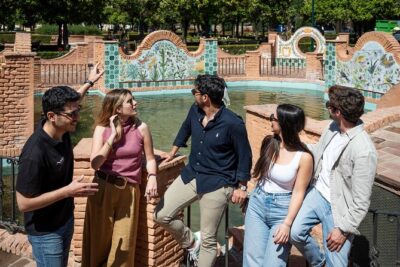
Malaga Private Walking Tour, Alcazaba & Catamaran Cruise
Read our review →
Browse the lists this tour appears in