
Reviewed · PAELLA COOKING WORKSHOPS
Paella and Sangria Workshop in Malaga
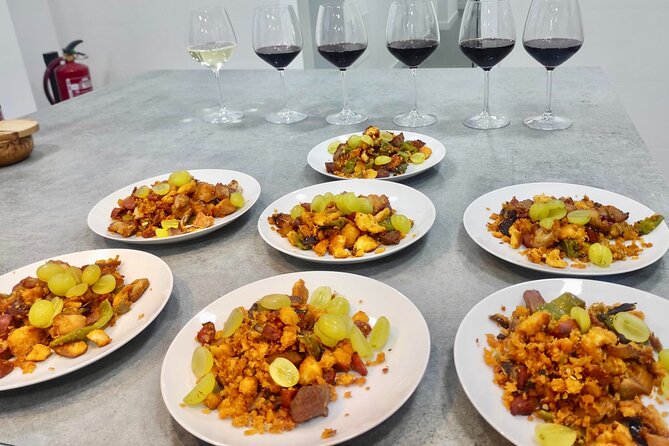
Paella tastes different after your own prep. This Malaga workshop mixes hands-on cooking with fresh sangria and a sit-down meal you helped create.
I love the small group size and the way the instructors guide you step by step, with real technique (not just vague tips). Chefs I noticed by name, like Diego and Laura, also bring in culture as you work, so the class feels like food plus place.
One thing to consider: if you have a strict idea of what paella must be (many folks expect seafood), you might be surprised by the style served here, and sangria flavor can be a personal fit since paprika and sweetness levels are not everyone’s favorite.
In This Review
- Key takeaways before you book
- Lebasi Taller de Cocina, Malaga: a hands-on meal plan
- The three dishes: ajoblanco, Malagueño Soak, and Valencian paella
- Ajoblanco (cold almond soup) and why it’s a smart first step
- Malagueño Soak as your Costa del Sol pause
- Valencian paella, taught with real rice technique
- Sangria during cooking: fresh, adjustable, and not a tourist shortcut
- What you eat at the end: dessert as a clean finish
- Meeting point in Malaga: C. Martínez Campos, 15
- English instruction plus dietary options that actually matter
- Who this paella and sangria workshop is for
- Price and value: what $84.66 buys you in Malaga
- How to get the most from the class
- Should you book the Paella and Sangria Workshop in Malaga?
- FAQ
- FAQ
- What dishes do you cook in this Malaga workshop?
- How long is the Paella and Sangria Workshop in Malaga?
- Is the class offered in English?
- How large is the group?
- Are there vegetarian, vegan, or gluten-free options?
- Where do you meet for the class?
Key takeaways before you book
- Up to 14 people keeps this interactive, not a show you watch.
- You cook three Malaga or Spanish classics and eat everything at the end.
- Sangria is made during the class, not poured from a bottle.
- Expect hands-on rice technique, including how to get the right rice to liquid balance.
- You finish with an Andalusian sorbet.
- English instruction and dietary options are available with prior notice.
Lebasi Taller de Cocina, Malaga: a hands-on meal plan
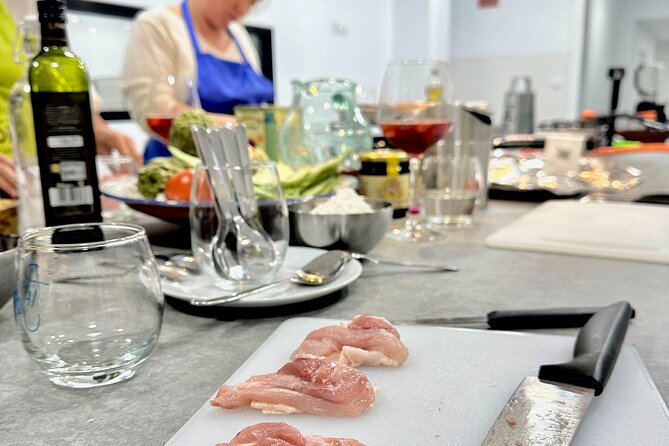
This is the kind of activity that makes Malaga feel more lived-in. Instead of just grabbing tapas and calling it a day, you get three hours in a real kitchen rhythm, with chopping, mixing, and cooking. The payoff is straightforward: you leave with a full lunch worth of food, plus drink, and a few practical skills you can repeat later.
Lebasi Taller de Cocina also benefits from a tight group size, capped at 14 travelers. That matters because paella is not a “wander around and learn” dish. It needs timing, attention, and a chance to ask questions when something feels off.
The energy here is relaxed. Instructors keep the pace moving, and the class structure makes it easy for first-timers to participate. If you’re traveling with a kid, this style also works well since there’s enough hands-on work to keep younger cooks busy.
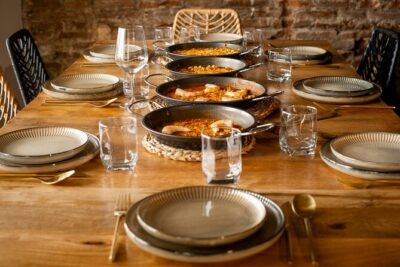
More pans of paella to cook yourself:

The three dishes: ajoblanco, Malagueño Soak, and Valencian paella
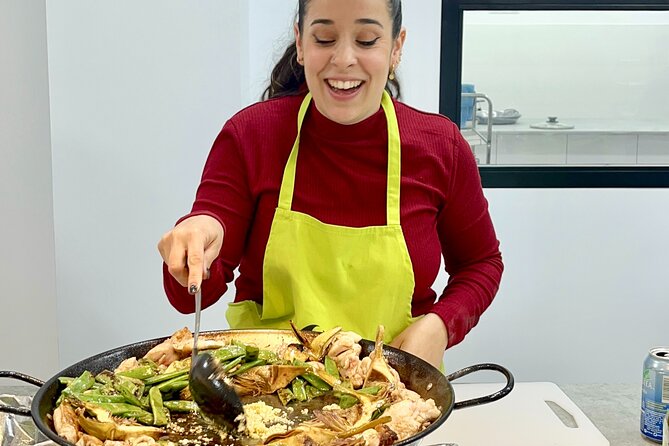
The menu is built like a story, starting cold and light, then moving into hot cooking, then ending with dessert.
Ajoblanco (cold almond soup) and why it’s a smart first step
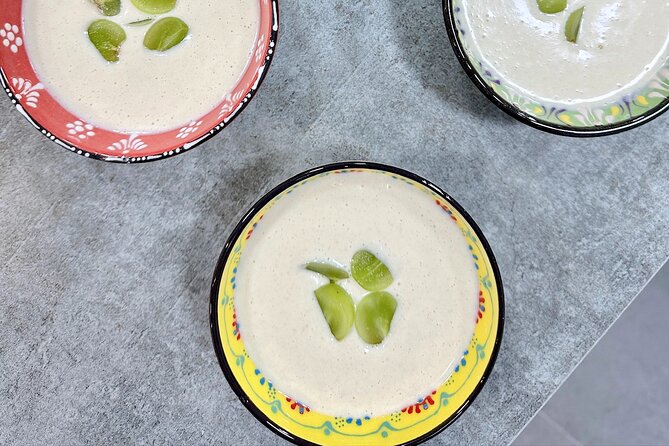
You’ll begin with ajoblanco, a chilled almond-based soup that’s usually eaten cold. Starting here is clever for beginners because it’s forgiving. You can focus on getting the texture right without the stress of a hot pan decision every minute.
I also like how it teaches you that Spanish cooking is not all about heat. Even before the paella, you learn a core idea: balance matters, whether it’s almonds, garlic, or how the soup is blended and served.
Malagueño Soak as your Costa del Sol pause
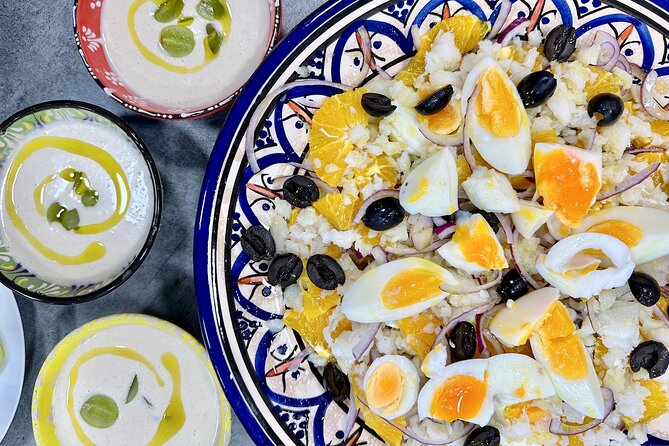
Next comes Malagueño Soak, a dish described as very typical from the Costa del Sol. From the way it’s taught and served, it works like a fresh counterpoint to what’s coming later. You’re mixing, assembling, and thinking about seasoning in a way that feels practical, not theoretical.
If you’re the type who wants local food but also wants variety in one sitting, this second dish helps. It’s not just “more of the same,” and it gives your palate a break before paella becomes the main event.
Other benches where Andalusian hands still make things:
- Paella Cooking Class with English Guide in Malaga
★ 5.0 · 149 reviews - The Ultimate Tapas Workshop in Malaga
★ 5.0 · 119 reviews - Malaga: The Ultimate Tapas Workshop with Market Visit
★ 4.9 · 108 reviews - Malaga: Authentic Paella Cooking Class with Sangría
★ 5.0 · 103 reviews - Malaga Tapas Cooking Class
★ 5.0 · 99 reviews
Valencian paella, taught with real rice technique
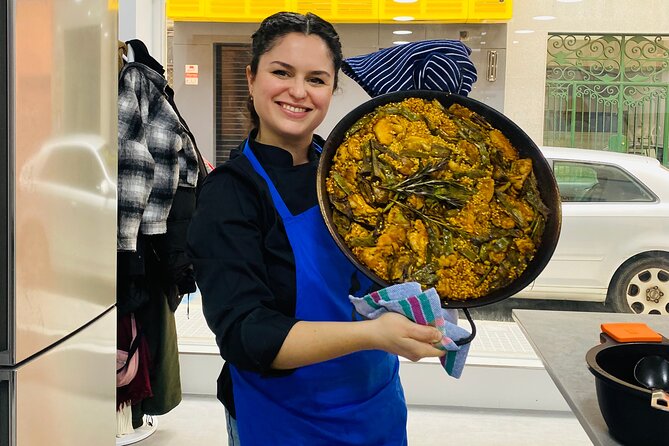
The star is Valencian paella, called the original style. Here’s where the class earns its reputation. You’re not simply told what paella is. You learn how it behaves.
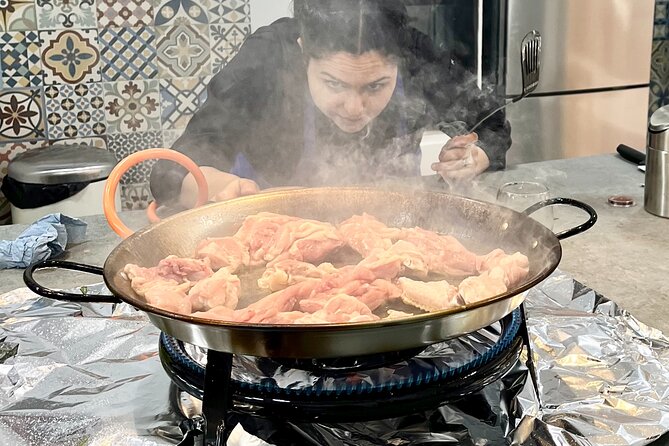
One of the most useful takeaways is the rice-to-liquid balance. People often think the trick is the ingredients. In practice, it’s timing and measurements, and you get those explained while you’re actively cooking. That’s the moment where “I might cook paella at home someday” becomes “I know what to watch for.”
Also, a personal note for expectations: some participants were surprised that the paella served leaned more toward chicken than seafood. So if you’re specifically hoping for seafood paella, ask how it’s done that day. You’ll still learn the technique, but you’ll avoid disappointment.
Sangria during cooking: fresh, adjustable, and not a tourist shortcut
In this workshop, sangria is part of the process. You make it while you cook, which means it feels like a companion to the meal rather than an afterthought.
This is also where local storytelling pops up. In the class experience, the sangria maker (named in one account as Nicolas) takes time to explain the drink and keep things friendly, so you’re not just learning food. You’re picking up how the locals treat social drinks: easy to share, meant to taste good with what’s on the table.
One practical benefit: because you’re making it yourself, you’re more aware of the balance. Sweetness, citrus, and how strong the flavor feels are things you can adjust when you recreate it later. That’s far more valuable than memorizing a vague recipe.
And yes, you’ll have plenty to drink during the meal. Some people specifically appreciated that there were beverages beyond sangria, so it feels flexible instead of stuck with one option.
What you eat at the end: dessert as a clean finish
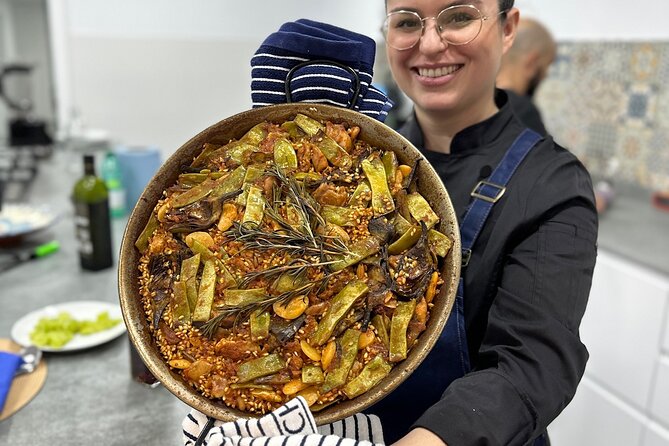
After cooking, you sit down and eat what you made: soup, the Malaga-style dish, and the paella. That full meal format is one of the best “value per hour” parts of the experience, because you’re not paying just for instruction. You’re paying for the ingredients plus the final lunch you get to enjoy right away.
Dessert is Andalusian sorbet, which gives you a cooling finish after the warmer cooking. It keeps things light, and it fits the overall structure of the menu, which goes from cold to hot and back to cold.
A small note: a few people mentioned a sweet-wine element alongside the dessert finish. That’s not something I’d assume every time, but if you’re someone who enjoys dessert drinks, it may be worth asking what’s included in your specific session.
Meeting point in Malaga: C. Martínez Campos, 15
Logistics here are simple. You meet at C. Martínez Campos, 15, Distrito Centro, 29001 Málaga, Spain, and the activity ends back at the meeting point.
The location in Centro is useful because it keeps you from losing time to transit. It’s also described as near public transportation, so you’re less likely to feel trapped by your timing. If you’re planning other things the same day, build in a small buffer, because 3 hours passes faster when you’re cooking.
One more practical tip: because this is a small-group class, being on time helps the instructors keep the flow. You’ll get more out of it if you start the first dish without scrambling.
English instruction plus dietary options that actually matter
The workshop is offered in English, and the teaching style stays clear and interactive. You’ll hear instructions in a way that works even if you’ve never cooked paella before. The class also includes cultural context as you go, so it’s not only about technique.
On dietary needs, this is one of the things I find reassuring: vegan, vegetarian, and gluten-free options are available, but you need to give notice in advance. That’s a big difference between a class that is “friendly on paper” versus one that can truly adjust ingredients without making you feel like a burden.
Because the group cap is 14, instructors can handle substitutions more personally. You’re still cooking together, just with the right adjustments.
Who this paella and sangria workshop is for
This is a solid pick for nearly everyone who wants a fun Malaga food experience with real take-home value.
- Families: accounts describe it as working well across age ranges, including kids who were fully involved in the cooking.
- Solo travelers: the group format makes it easy to chat without awkward icebreakers.
- Couples: it feels like a shared activity, and the meal payoff is immediate.
- Food beginners: you get structure. The dishes are taught in a logical order, and the rice technique is explained while you’re doing it.
If you’re an experienced cook, you’ll still likely learn something. The “secret to the rice” style advice is exactly the kind of technique detail that separates decent paella from good paella, and paella is one of those dishes where the method matters as much as the ingredients.
Price and value: what $84.66 buys you in Malaga
The price is $84.66 per person for about 3 hours of cooking, eating, and drinking. That’s not cheap, but it’s also not just “an hour of watching someone cook.”
Here’s what you’re paying for in practical terms:
- You’re making three dishes with instruction, not just one.
- You’re included in a full meal, so you’re not replacing your lunch with a cheaper snack.
- You’re also included in the sangria experience and the dessert finish.
- You get small-group attention, which is where the technique part becomes real.
If you’d otherwise spend money on a decent lunch plus drinks and still want a fun activity, this can be a good way to convert that budget into skills and a story you can retell.
One more value point: the class gets booked around 30 days in advance on average. That’s often a sign the timing works for people who don’t want to overplan. If your dates are fixed, don’t wait until the last minute.
How to get the most from the class
Paella classes are easiest when you treat them like a skill workshop. Here’s how to do that without overthinking it.
- Ask about the rice step early. The rice-to-liquid balance and timing are the difference between home success and frustration.
- Take notes during the hands-on parts. You’ll get a lot of tips while you’re cooking, and writing a few keywords helps later.
- Don’t assume the menu is what you expect. One session may use chicken in the paella, and sangria style can vary. That’s not a bad thing, but expectations matter.
- Tell them about dietary needs right away. Options exist, but only if you share them before the class.
One more practical idea: if recipes matter to you, it’s smart to clarify how and when you’ll receive them. Several people asked for recipes by email, and that’s a reasonable request if you want to recreate the dishes later.
Should you book the Paella and Sangria Workshop in Malaga?
I think you should book this if you want a hands-on Malaga food moment with a clear structure: cold starter, local-style dish, proper paella technique, and a sweet finish. The small group feel, the named instructors like Diego and Laura, and the focus on technique (especially paella rice) make it a strong choice for most visitors.
Skip it or go in with flexible expectations if you’re picky about what paella must contain, since some sessions may not match your seafood assumptions. Also, if you don’t enjoy almond-based flavors, the chilled ajoblanco may not be your favorite part of the meal.
FAQ
FAQ
What dishes do you cook in this Malaga workshop?
You’ll cook three dishes: ajoblanco (cold almond soup), Malagueño Soak (a typical Costa del Sol dish), and Valencian paella. You also make sangria during the class and finish with an Andalusian sorbet.
How long is the Paella and Sangria Workshop in Malaga?
It runs for about 3 hours.
Is the class offered in English?
Yes, it is offered in English.
How large is the group?
The workshop has a maximum of 14 travelers.
Are there vegetarian, vegan, or gluten-free options?
Yes. Vegan, vegetarian, and gluten-free options are available if you provide prior notice when booking.
Where do you meet for the class?
You meet at C. Martínez Campos, 15, Distrito Centro, 29001 Málaga, Spain, and the experience ends back at the meeting point.
If you want, tell me your travel dates and whether you’re hoping for seafood paella or need a specific diet, and I’ll help you decide if this fits your plan.
New arrivals around Malaga
- Malaga: group walking tour★ 5.0 · 1 review
- Andalusian Wine Tasting Tapas and DE wine tastings★ 5.0 · 1 review
- Malaga Moorish & Roman Heritage: Old Town, Alcazaba & Cathedral★ 4.0 · 1 review
- Marbella: Climb La Concha on Private Guided Hiking Trip★ 5.0 · 1 review
- Guided tour of Malaga fishing scene with cooking workshop★ 5.0 · 1 review
- Malaga: Explore Malaga on a Solar Scooter★ 5.0 · 1 review
Paella Cooking Workshops, compared.
Spanish Cooking Workshop with Paella and Sangria
Read our review →
Sailing Catamaran with Swimming and Paella Lunch
Read our review →
Paella Cooking Class with English Guide in Malaga
Read our review →
PREMIUM TAPAS TOUR Paella, Tapas, Winery & Flamenco
Read our review →
Browse the lists this tour appears in