
Reviewed · PAELLA COOKING WORKSHOPS
Paella Cooking Class with English Guide in Malaga
Paella gets personal in Malaga. This 4-hour cooking class pairs Atarazanas Market ingredients with hands-on cooking in a modern kitchen, led by an English guide. You start with tastings, then cook, eat, and drink in a small group.
I love that the class stays small (max 14), so you get real attention while learning. In the English-led sessions, chefs and guides like PePo and Alba have been singled out for clear, patient instruction.
One thing to plan for is timing. The market visit only happens in the daytime class Monday to Saturday, and it is closed on several holiday dates, so an evening or Sunday booking may feel like a different experience.
In This Review
- Key highlights before you go
- Paella class with real ingredients, not just recipes
- Atarazanas Market: the ingredient hunt you only get some days
- Kulinarea and the SOHO Art District kitchen setup
- Olive oil tasting first, then cooking with confidence
- Seafood paella, with vegetarian and fish-free options
- Sangria, gazpacho, churros, plus local wine
- How the class works in English, without getting lost
- Group size, pacing, and what a 4-hour day feels like
- Price and value: what $84.69 includes
- Logistics: where to meet and why direction issues can happen
- Food rules to know: celiac, allergies, and vegan expectations
- Should you book the Malaga Paella Cooking Class?
- FAQ
- Is the Atarazanas Market visit included for every class?
- How long is the paella cooking class in Malaga?
- What do we cook and eat during the class?
- What drinks are included?
- Are vegetarian or fish-free options available?
- Is this class suitable for celiac disease or severe allergies?
Key highlights before you go
- Atarazanas Market is included in the daytime class (Mon-Sat), with specific holiday closures listed by the operator
- Extra virgin olive oil tasting happens before you cook, so you understand what to look for in ingredients
- Seafood paella is the main dish, with adaptations for vegetarian (vegetable paella) and fish-free diets (meat paella)
- You eat what you make, alongside gazpacho, sangria, and churros
- Alcohol and wine tasting are part of the experience, including local wine made from regional grapes
- A take-home Kulinarea apron turns the class into a souvenir you will actually use
Paella class with real ingredients, not just recipes
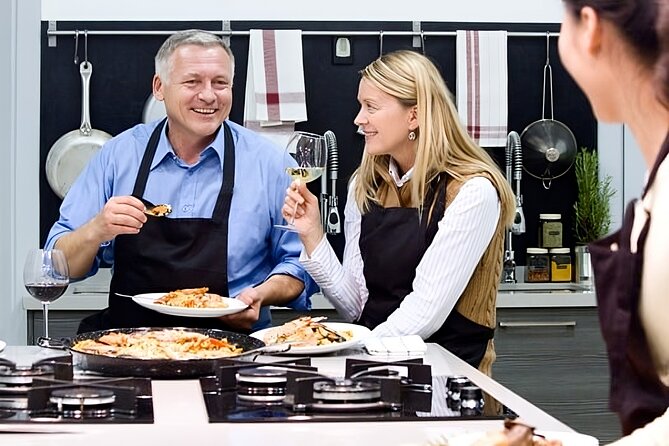
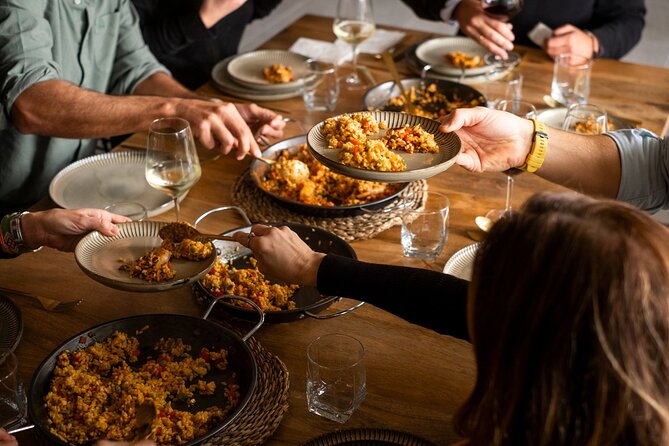
This is not a sit-and-watch cooking show. It is a structured, 4-hour experience built around tasting, prep, and technique, and it starts with ingredients you can actually recognize. You get a quick but meaningful food lesson, then you cook your own paella and eat it at the end.
For me, the best part is the combination of learning and payoff. You finish with a plate of paella, plus the rest of a Spanish meal, not just a small bite. And because it is limited to 14 people, the energy tends to stay friendly instead of chaotic.
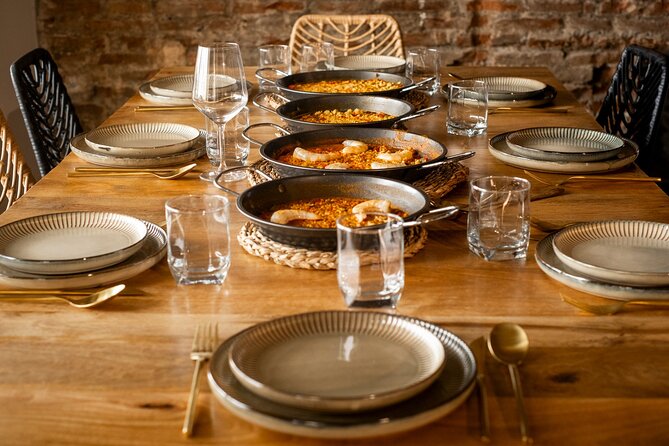
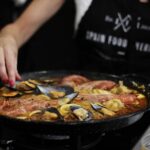
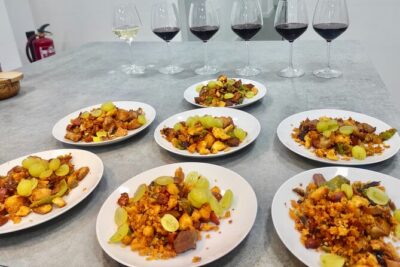
More pans of paella to cook yourself:

Atarazanas Market: the ingredient hunt you only get some days
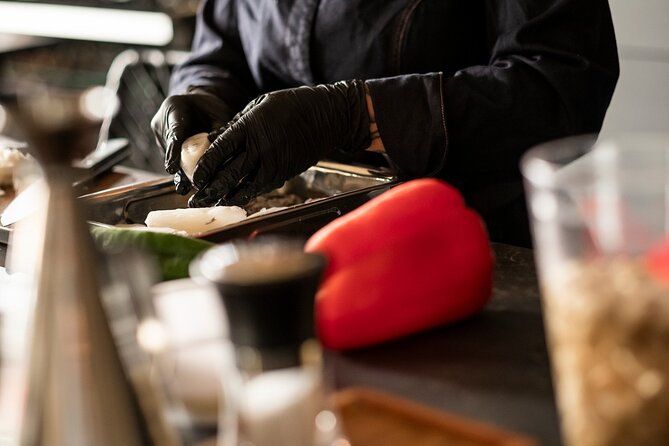
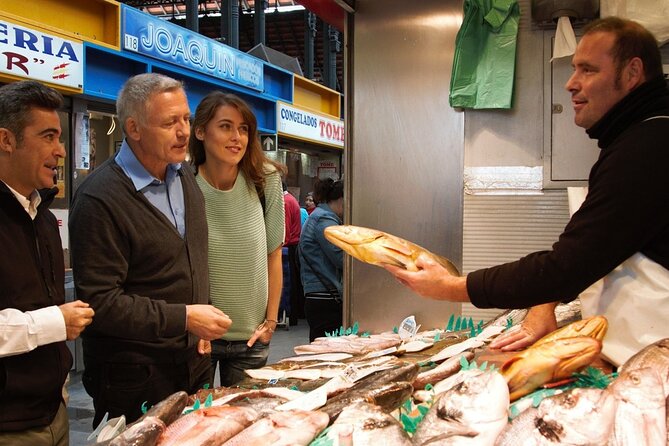
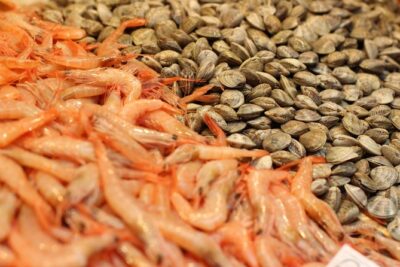
If you book the daytime class Monday to Saturday, you get a visit to Atarazanas Market. It is a smart add-on because paella lives and dies by ingredient quality, especially seafood, vegetables, and the aromatics that perfume the rice.
The market stop is also where you get context for what you are about to cook. You will see seasonal produce and a range of meats and seafood, then help the group select quality ingredients for the class.
Timing matters, though. Atarazanas Market is closed on specific holidays (including 1/1, 6/1, 28/2, Thursday and Friday of Holy Week, 1/5, 15/8, 19/8, 8/9, 12/10, 1/11, 6/12, 8/12, 25/12). The operator also notes that the evening and Sunday class does not include the market stop.
Practical tip: if market time is a top reason you booked, double-check the day you choose. If you are flexible, the daytime class tends to be the most complete version.
Kulinarea and the SOHO Art District kitchen setup
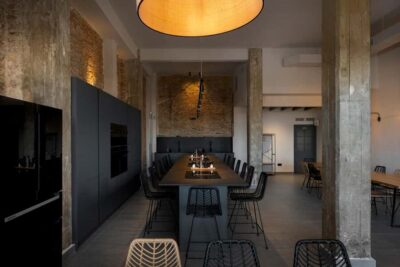
The cooking happens in the SOHO Art District area, with a modern kitchen that feels built for hands-on classes. You start at Kulinarea (Avenida de Manuel Agustín Heredia, 24, Distrito Centro, 29001 Málaga), then you head into the cooking space where everything is organized for a group.
That modern setup matters more than it sounds. When stations are clean, ingredients are staged, and steps are paced, you spend less time waiting and more time learning the technique. The class format also tends to move in a way that works for different experience levels.
And because the meeting point is in the Centro area, you are not stuck on the edge of town. It is listed as near public transportation, which helps if you plan to pair this with other Malaga sights.
Olive oil tasting first, then cooking with confidence
Before the paella work begins, you taste three extra virgin olive oils. This is a small step that pays off later, because it trains your palate and gives you language for what is good.
When you cook, you are not just following instructions. You are trying to match flavor expectations. That olive oil tasting also makes the whole class feel more like a real food lesson, not a chore list.
The menu starts with Gazpacho as the starter. That gives you something fresh and familiar in warm Malaga weather, and it also sets up the rest of the meal that is equal parts savory and refreshing.
Other benches where Andalusian hands still make things:
- The Ultimate Tapas Workshop in Malaga
★ 5.0 · 119 reviews - Paella and Sangria Workshop in Malaga
★ 5.0 · 108 reviews - Malaga: The Ultimate Tapas Workshop with Market Visit
★ 4.9 · 108 reviews - Malaga: Authentic Paella Cooking Class with Sangría
★ 5.0 · 103 reviews - Malaga Tapas Cooking Class
★ 5.0 · 99 reviews
Seafood paella, with vegetarian and fish-free options
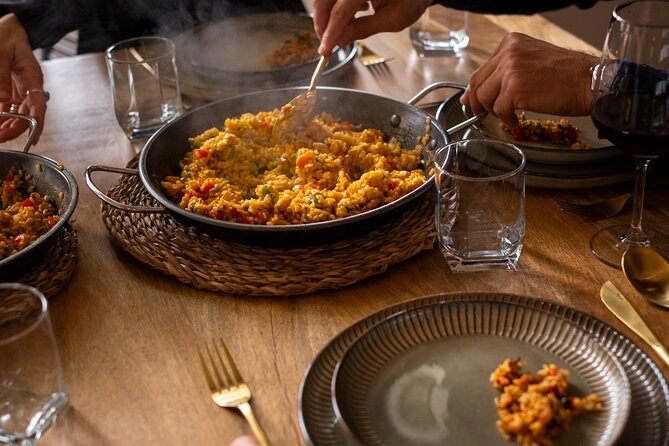
The main event is seafood paella. You cook it with the group, then you sit down and enjoy what you made. Paella is one of those dishes where technique matters, but the operator keeps it practical, with clear guidance as you go.
Two common diet needs are addressed with built-in swaps:
- Vegetarian option: vegetable paella
- Fish-free option: meat paella
This is a big deal for a group class. Instead of making someone “sit out,” you get an alternative main that still fits the paella theme and the overall meal structure.
One more thing: the paella is also described as being adapted for vegetarians and for those who do not eat fish. That tells me the kitchen plan accounts for these changes in advance, which usually means fewer surprises at the stove.
Sangria, gazpacho, churros, plus local wine
Your meal is more than paella. You also prepare sangria, you eat gazpacho, and you end with churros. That full lineup matters because it gives you the Spanish meal flow in one sitting: cool starter, warm main, then sweet finish.
Drinks are part of the package too. The class includes alcoholic beverages such as wine, beer, and sangria. There is also mention of tasting or serving a regional wine made with local grape varieties.
One review detail that stands out is the praise for generous wine service, even described as bottomless. If you enjoy food plus wine culture, this is the part that most people remember.
If you are the type who wants your cooking class to feel like a proper meal, this format delivers.
How the class works in English, without getting lost
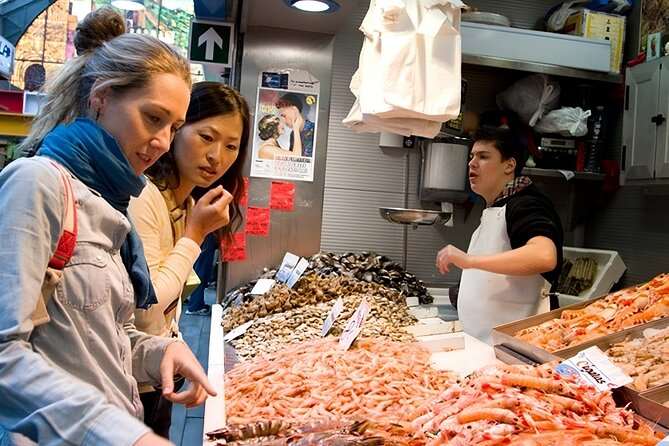
This experience is offered in English with an English guide, and that is often the difference between a fun day and a confusing day when you are standing at a stove. The small group size helps a lot here, because questions can actually get answered.
Several people specifically praised the instructor and chef for being patient, clear, and able to explain steps in a way that works for both beginners and people with some cooking experience. You should expect an active role at the station, not just watching someone else cook.
There are also a few named examples from different sessions. PePo and Alba came up in feedback as hosts who bring warmth and structure, while Javier and Anais were also mentioned in positive terms for guiding the group and keeping the atmosphere relaxed.
Group size, pacing, and what a 4-hour day feels like
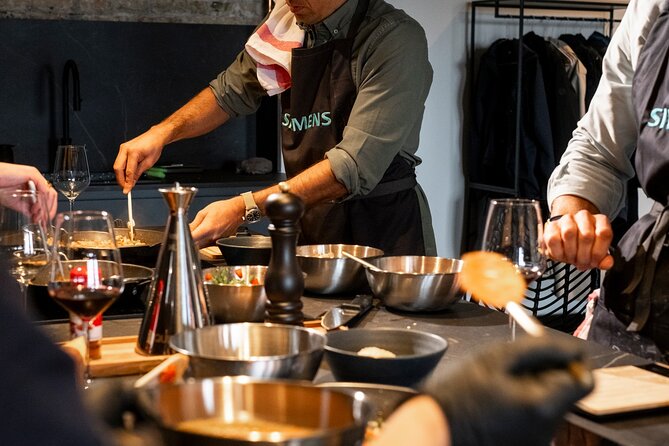
The class runs about 4 hours for the daytime version. The evening and Sunday version is shorter, listed as lasting 3 hours.
That difference matters if you are planning other activities that day. The longer session usually makes room for the market stop and a steadier rhythm, while the shorter session focuses more tightly on cooking and meal components.
The group size max of 14 is a real quality signal. In a class this hands-on, too many people can mean cramped stations, slower pacing, and less individual attention. Here, the cap makes it more likely you get help before you make mistakes.
Also, you get to meet people from different places, and the cooking becomes a shared activity rather than an individual performance.
Price and value: what $84.69 includes
At $84.69 per person, you are paying for more than ingredients. You are paying for:
- a structured cooking lesson in paella
- a full meal, including lunch
- drinks including wine, beer, sangria
- snacks
- and a take-home Kulinarea apron
When you break it down, the inclusion list is what pushes this into value territory. Many cooking classes in popular cities give you a bite to taste and call it a day. This one feeds you like you are meant to sit down and enjoy.
You also avoid the hassle of buying seafood, produce, and the wine components on your own. Even if you could cook paella at home, sourcing consistent ingredients and getting technique guidance can cost time and money.
The main financial downside is that it is not an ultra-low-cost activity. If you are on a tight budget, you might compare it with a market visit plus a casual lunch. But if you want the full experience, the all-in meal and drinks make the price easier to justify.
Logistics: where to meet and why direction issues can happen
You meet at Kulinarea, Avenida de Manuel Agustín Heredia, 24, Distrito Centro, 29001 Málaga. It is near public transport, which helps if you are not using a taxi.
Still, one review pointed out that directions to the meeting place can be confusing enough that someone nearly went to the wrong shop. That tells me you should take the meeting point seriously.
Practical move: arrive a few minutes early and use the address in your maps app. If you are unsure once you get close, ask someone nearby to confirm the storefront.
Food rules to know: celiac, allergies, and vegan expectations
This class is not recommended for celiac disease or anyone with a severe allergy that requires strict avoidance of cross contamination. That is important, even if you think you can handle it safely. In shared kitchens, cross contact risk is a real concern, and the operator flags it clearly.
It is also not recommended for vegans. The menu and included items include ingredients that likely involve animal products, and the class is built around seafood paella and Spanish meal traditions.
If your needs are mild, you might still ask questions in advance, but for celiac and severe allergies, treat the guidance as a clear no.
Should you book the Malaga Paella Cooking Class?
Book it if you want a real meal and a real lesson in one package. The combo of market ingredients (in daytime), olive oil tasting, hands-on paella cooking, and the full set of dishes like gazpacho and churros is a strong match for people who learn by doing.
I would also book if you care about English instruction and a calm group size. With a max of 14, this is set up for interaction, not a passive experience.
Skip it if you are planning a vegan-friendly trip, or if you need a strict gluten-free or cross-contact protected setup. And if market time is your must-have, choose the daytime Mon-Sat slot carefully because holiday closures can change the schedule.
If you want a practical, hands-on way to experience Malaga food culture beyond tapas bars, this paella class is an easy yes.
FAQ
Is the Atarazanas Market visit included for every class?
The market visit is included only in the daytime class from Monday to Saturday. It is also closed on several holiday dates, and the evening and Sunday class does not include the market stop.
How long is the paella cooking class in Malaga?
The daytime class is about 4 hours. The evening and Sunday class lasts 3 hours.
What do we cook and eat during the class?
You make Spanish paella (seafood paella, with vegetarian and meat options). You also prepare and eat gazpacho, sangria, and churros.
What drinks are included?
Alcoholic beverages included are wine, beer, and sangria. A regional wine made with local grape varieties is also part of the experience.
Are vegetarian or fish-free options available?
Yes. The paella is adapted for vegetarians as vegetable paella, and it is also adapted for people who do not eat fish as meat paella.
Is this class suitable for celiac disease or severe allergies?
No. It is not recommended for those with celiac disease or any severe allergy that needs to avoid cross contamination.
More Cooking Classes in Malaga
- Málaga: Paella and Sangria Cooking Class with Market Visit
★ 4.9 · 26 reviews - Tapas Cooking Workshop & Market Visit
★ 4.8 · 10 reviews - Sardines On Skewers Show Cooking in Malaga beach
★ 5.0 · 2 reviews - Guided tour of Malaga fishing scene with cooking workshop
★ 5.0 · 1 review
New arrivals around Malaga
- Malaga: group walking tour★ 5.0 · 1 review
- Andalusian Wine Tasting Tapas and DE wine tastings★ 5.0 · 1 review
- Guided tour of Malaga fishing scene with cooking workshop★ 5.0 · 1 review
- Malaga Moorish & Roman Heritage: Old Town, Alcazaba & Cathedral★ 4.0 · 1 review
- Marbella: Climb La Concha on Private Guided Hiking Trip★ 5.0 · 1 review
- Malaga: Explore Malaga on a Solar Scooter★ 5.0 · 1 review
Paella Cooking Workshops, compared.
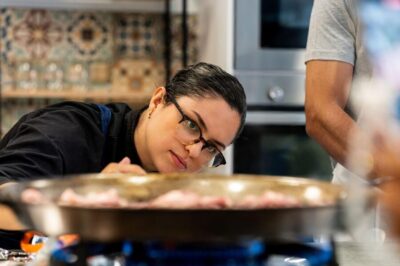
Spanish Cooking Workshop with Paella and Sangria
Read our review →
Sailing Catamaran with Swimming and Paella Lunch
Read our review →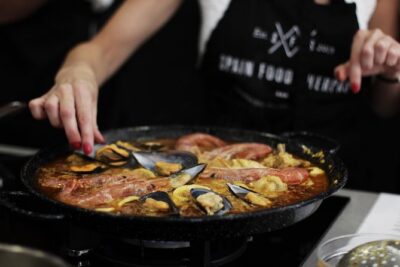

PREMIUM TAPAS TOUR Paella, Tapas, Winery & Flamenco
Read our review →
Browse the lists this tour appears in