
Reviewed · TAPAS TASTING TOURS
The Ultimate Tapas Workshop in Malaga
Tapas lessons should feel like part food class, part local stroll. This one starts at Atarazanas Market in the daytime and then moves into Kulinarea’s kitchen where Chef Pepo (or his team) guides you through classic plates step by step. I especially loved the market-to-cooking flow and the way the instructors keep beginners comfortable, and I did notice one catch: the class is group-based, so you may end up doing mostly smaller tasks rather than solo cooking the entire meal.
If you want a hands-on lunch with real ingredients, this is a strong pick. The group stays small (up to 14), you get lunch plus alcoholic beverages, and you should leave with a Kulinarea apron gift. One more heads up: the menu is a sample and can shift for seasonal availability or dietary needs.
In This Review
- Key highlights you will care about
- Atarazanas Market sets the tone for your Malaga tapas class
- From market walk to Kulinarea’s kitchen in the Art District
- The tapas lineup you will cook (and why it works as a lesson)
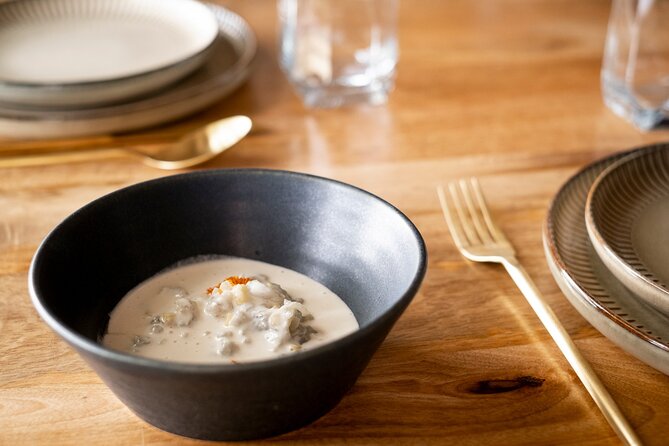
- Ajoblanco malagueño (cold almond soup)
- Montadito de huevo de codorniz (quail egg montadito)
- Tortilla de patatas (Spanish omelette)
- Solomillo al pedro Ximénez (sirloin with Pedro Ximénez sauce)
- Torrija (lent pastry style, honey finish)
- Lunch format: shared plates, included snacks, and wine pairing
- What makes the instruction feel effective, not chaotic
- The value question: is $84.66 a good deal for Malaga tapas?
- One snag to watch for: the apron gift and how it gets handled
- Who should book this Malaga tapas workshop
- Should you book the Ultimate Tapas Workshop in Malaga?
- FAQ
- How long is the Ultimate Tapas Workshop in Malaga?
- Is the class offered in English?
- Does the Atarazanas Market visit happen on every tour?
- What’s included in the price?
- What is not included?
- What is the group size limit?
- Can I cancel and get a full refund?
Key highlights you will care about
- Atarazanas Market in daytime classes for seasonal ingredients you will actually use
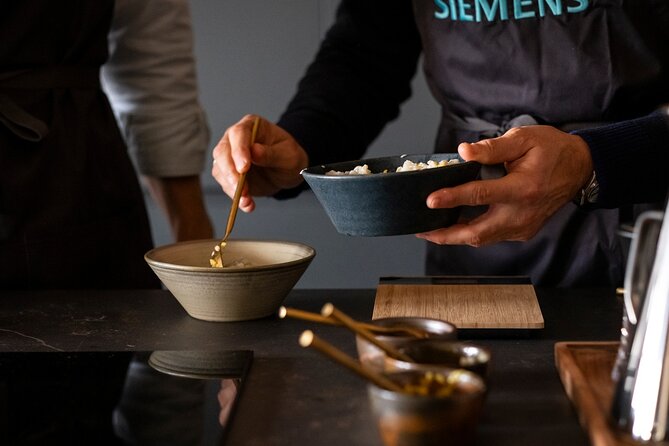
- Chef-led, step-by-step coaching that works even if you are not a confident cook
- A mix of cold and hot tapas classics, plus a sweet finish
- Wine and included drinks that match what you are making
- Small group size (max 14), so you are not lost in the crowd
Atarazanas Market sets the tone for your Malaga tapas class
Malaga tapas are not just about ordering a bunch of plates. They are about knowing what is in season, how ingredients taste together, and how long you can linger without feeling rushed. This workshop starts by tying those ideas directly to food.
In the daytime version of the class, you visit Atarazanas Market, one of Malaga’s best-known markets. You get to see the ingredients first, then you cook them soon after. That order matters. When you get hands-on with the same items you just saw at the stalls, your cooking makes more sense, and you remember more later.
Important practical note: the market visit is not included in evening classes, because the market is closed then. Also, Atarazanas is closed on specific holidays. If you are traveling around one of those dates, check the exact session you book so you are not surprised.
What I like about this approach is simple. You learn what makes local tapas taste like local tapas, instead of memorizing a list of recipes. If you are the type who enjoys food travel but does not want a museum-style lecture, this structure is perfect.
More tapas crawls through the old centre:
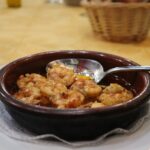
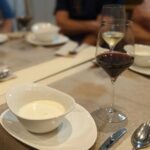
From market walk to Kulinarea’s kitchen in the Art District
After the market, you head to the kitchen area near the Art District. This is where the workshop turns from shopping and observing into actual cooking, with the energy of a real class.
The kitchen setup matters. A modern, clean workspace makes a big difference when you are cooking several dishes in a limited time. In this class, you are not stuck just watching either. The instructors are there to route you through tasks, keep timing on track, and help you avoid the common beginner mistakes like overcooking one component while another is still finishing.
Meeting point is at Kulinarea, Avenida de Manuel Agustín Heredia, 24, Distrito Centro, 29001 Málaga. The experience ends back there, so you are not scrambling to find your way after lunch.
Also, the class is in English and uses a mobile ticket, which is handy if you prefer light packing. It is near public transportation, so you can usually plan without needing a car.
The tapas lineup you will cook (and why it works as a lesson)
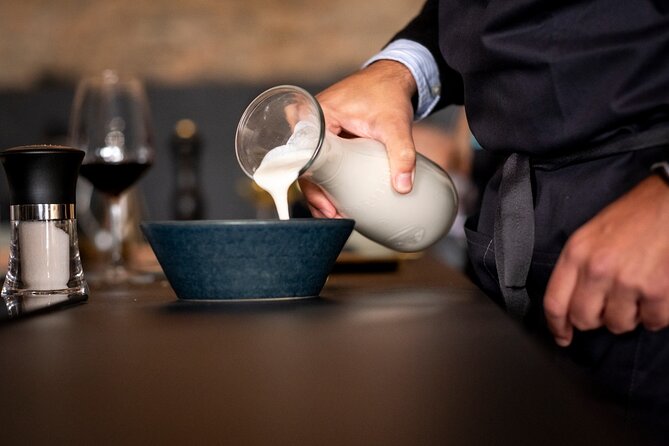
This workshop teaches you a set of classic dishes that cover different flavors and textures. The exact lineup is a sample, and it can change for seasonal availability or dietary restrictions. But the structure is consistent, and that helps you learn.
Here is what you can expect from the sample menu:
Ajoblanco malagueño (cold almond soup)
This is a great starter because it teaches a cornerstone of southern Spanish flavor: almonds plus olive oil style richness. It is cold, smooth, and comforting, and it gives you a strong baseline for understanding how tapas often start cool and light.
Other benches where Andalusian hands still make things:
- Málaga: Spanish Cooking Workshop with Paella and Sangria
★ 4.9 · 613 reviews - Paella Cooking Class in Malaga
★ 5.0 · 209 reviews - Paella Cooking Class with English Guide in Malaga
★ 5.0 · 149 reviews - Malaga: The Ultimate Tapas Workshop with Market Visit
★ 4.9 · 108 reviews - Paella and Sangria Workshop in Malaga
★ 5.0 · 108 reviews
Montadito de huevo de codorniz (quail egg montadito)
This is the kind of tapa that makes Malaga feel specific. You get the montadito format plus the richness of ham, peppers, and a quail egg. It also shows how tapas can be both simple and “special” at the same time, because the assembly matters as much as the cooking.
Tortilla de patatas (Spanish omelette)
Tortilla is the test dish. It is beloved, and it also punishes impatience. This workshop includes tortilla, which means you learn not only the method but also how timing and texture should feel when it is done right.
Solomillo al pedro Ximénez (sirloin with Pedro Ximénez sauce)
Moving from tapas-style building to a meat dish gives you variety in technique and flavor. Pedro Ximénez sauce has that deep, sweet, dark note, so you experience how regional wines and regional grapes can show up in food in a very direct way.
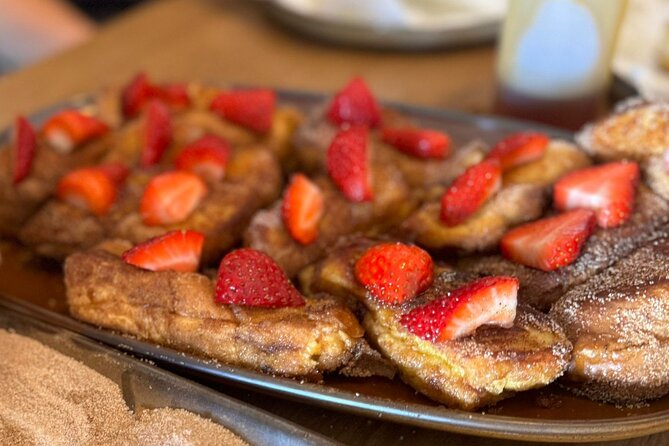
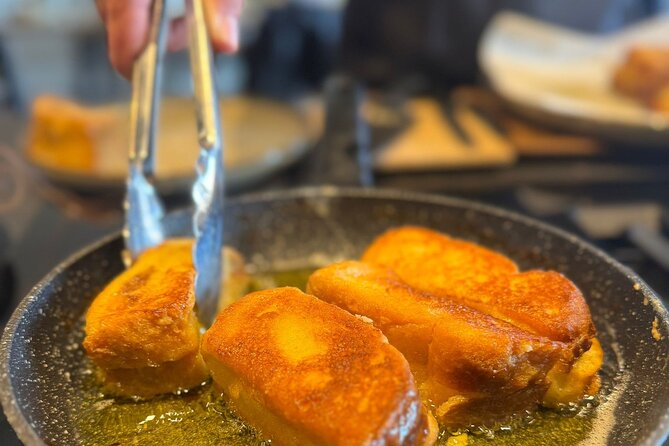
Torrija (lent pastry style, honey finish)
For dessert, torrija brings the “bread pudding vibe” but in a Spanish way. In this class, you will make a typical style of Torrija, described here as Spanish lent pastries, kind of like Spanish French toast covered with honey. It is a classic comfort-food finish.
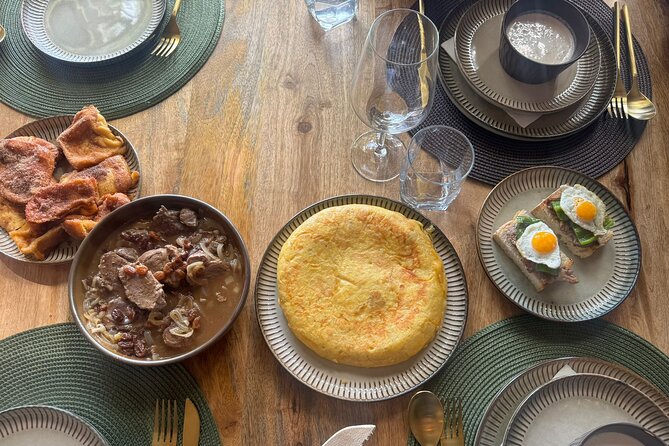
From a learning perspective, this menu is smart. You go from cold to warm, from simple assembly to cooking components, and then into sweet. If you are trying to bring Malaga flavor home, this mix gives you more than one “go-to” dish to recreate later.
Lunch format: shared plates, included snacks, and wine pairing
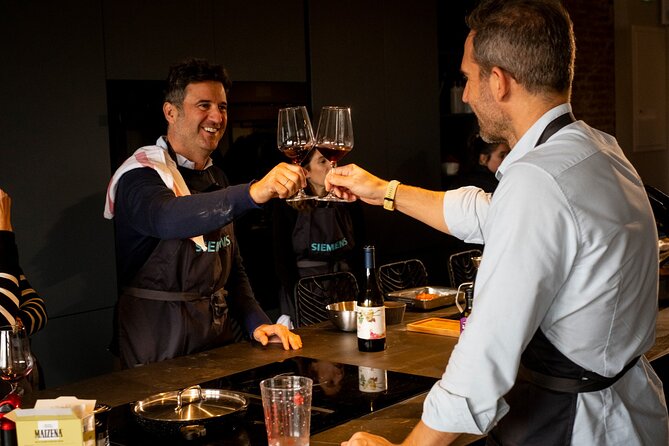
A tapas workshop should not end at the cutting board. The point is eating what you made with friends and taste-testing as you go.
This class includes lunch, snacks, and alcoholic beverages. You also get local wine selected to pair with what you are cooking, using regional grapes. That pairing piece is genuinely useful. Even if you do not consider yourself a wine person, you start noticing what works with almond-based flavors, rich sauces, and honeyed desserts.
In practical terms, plan to eat slowly after you cook. The workshop time runs about 4 hours, and that includes both class work and the meal. If you show up hungry and ready to concentrate, you will get more out of it than if you try to multitask through the experience.
One more reason this matters: tapas culture is about rhythm. You taste, you react, you share, and the conversation keeps the energy up. If you like food that leads to conversation instead of just a quick lunch, you will like the format here.
What makes the instruction feel effective, not chaotic
A top cooking class makes beginners feel safe and foodies feel challenged. This workshop tends to do both, mainly because the teaching is active and the instructors keep moving with the group.
The class runs with a maximum of 14 travelers, which changes everything. In a bigger group, you might only be useful as an extra pair of hands. Here, you are more likely to get actual coaching and timing support.
I also appreciate how the instruction adapts to different skill levels. One guide, Felipe, is mentioned as being friendly and clearly connected to the ingredients and local foods. Another instructor, Chef Pepo, is praised for multitasking and making sure dishes get cooked properly.
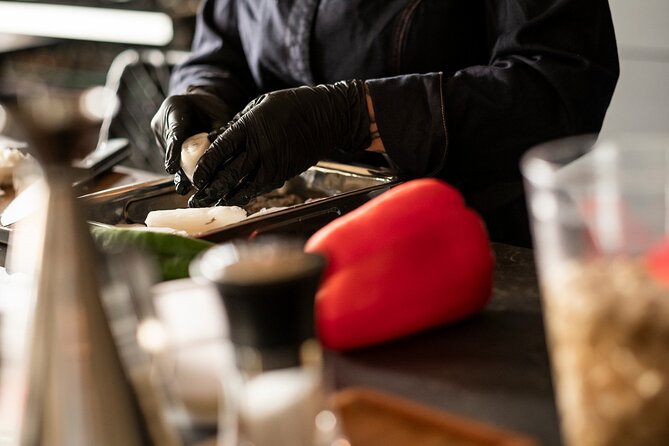
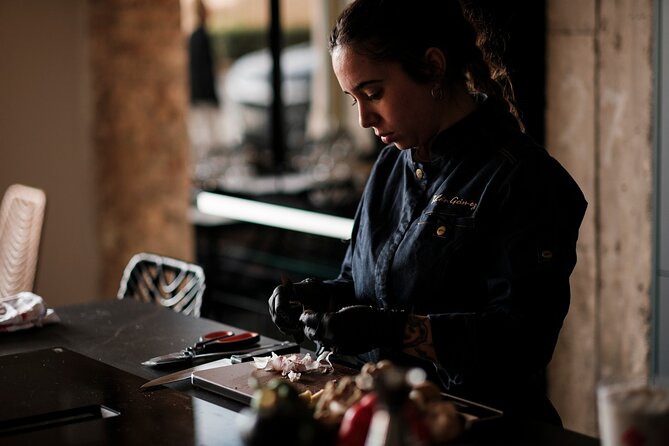
What to expect in real workflow: you will participate in cooking rather than standing back. But because multiple tapas are happening at once, you may work on a specific component or dish rather than cooking every part yourself. That is not a dealbreaker, but it is worth knowing if you expected a total solo cooking show.
A detail worth calling out from one experience: olive oil tasting came up during the process, along with drinks like sangria during the class flow. You may see small tastings and drink moments woven in, beyond just the final pairing, which keeps things fun while you wait for cooking steps to finish.
The value question: is $84.66 a good deal for Malaga tapas?
Let’s talk money in real terms. At $84.66 per person, you are paying for:
- A market visit (daytime only), which is not just scenery
- A guided cooking session in a real kitchen setup
- Lunch plus snacks
- Alcoholic beverages, including local wine selected for the menu
- A take-home gift, the Kulinarea apron
If you were to book those pieces separately, the total typically climbs fast. A market visit alone can be half the day. Add a guided cooking lesson plus lunch and drinks, and the price starts to look more like a bundle than a single-ingredient expense.
Also, the class duration is about 4 hours. That is enough time to learn a few real techniques, cook multiple dishes, and eat the result, without blowing your entire day. For a food-focused trip, that is a sensible use of time.
The main tradeoff is that you are not in a one-on-one cooking session. It is group teaching. But the small group limit helps, and the cooking format seems designed to keep everyone involved.
One snag to watch for: the apron gift and how it gets handled
The experience includes a special gift: a Kulinarea apron at the end of the class. That is part of the value, and it is also a fun souvenir if you plan to cook at home.
That said, one experience included confusion about whether the apron was collected during the workshop versus later. My advice is simple: at the end, confirm where the apron is handed out or how it is distributed so you do not leave without it.
If you want the souvenir experience to go smoothly, mentally treat it like a ticketed takeaway. Ask staff where you should pick it up right after lunch.
Who should book this Malaga tapas workshop
This class is a strong fit if you want:
- A hands-on food experience tied to Malaga ingredients
- An English-friendly cooking lesson with structured guidance
- A small-group lunch with drinks, not just a cooking demonstration
- Multiple classic dishes, so you leave with more than one recipe idea
It may not be the best fit if your main goal is solo cooking with zero group coordination. Because this is a multi-dish workshop with limited time, tasks can be split, and cooking can feel like a series of steps you participate in together.
If you are traveling as a couple, with friends, or as a family with teenagers, this setup often works because people can contribute at different skill levels. The instruction style is designed to pull everyone along.
Should you book the Ultimate Tapas Workshop in Malaga?
I think it is worth booking if you like your food travel practical, and you want a guided experience that ends with a meal you made. The market stop in daytime sessions adds real meaning, and the instruction style gives you confidence even if you are not an expert cook.
Before you book, double-check two things:
- Make sure you are booking the daytime class if you specifically want the Atarazanas Market visit.
- If you care about the apron gift, ask how you will receive it at the end of class so you do not end up disappointed.
If those fit your schedule, this is one of the better-value ways to experience Malaga tapas culture, from ingredients to table, in about four hours.
FAQ
How long is the Ultimate Tapas Workshop in Malaga?
The workshop lasts about 4 hours.
Is the class offered in English?
Yes. The workshop is offered in English.
Does the Atarazanas Market visit happen on every tour?
The market visit is included only in the daytime class. It is closed in the evenings, and it is also closed on certain holidays.
What’s included in the price?
Lunch, alcoholic beverages, snacks, and a Kulinarea apron take-home gift are included.
What is not included?
Private transportation is not included.
What is the group size limit?
The workshop has a maximum of 14 travelers.
Can I cancel and get a full refund?
Yes. You can cancel for a full refund up to 24 hours in advance of the experience start time. If you cancel less than 24 hours before, the amount is not refunded.
New arrivals around Malaga
- Malaga: group walking tour★ 5.0 · 1 review
- Andalusian Wine Tasting Tapas and DE wine tastings★ 5.0 · 1 review
- Guided tour of Malaga fishing scene with cooking workshop★ 5.0 · 1 review
- Malaga Moorish & Roman Heritage: Old Town, Alcazaba & Cathedral★ 4.0 · 1 review
- Marbella: Climb La Concha on Private Guided Hiking Trip★ 5.0 · 1 review
- Malaga: Explore Malaga on a Solar Scooter★ 5.0 · 1 review
Tapas Tasting Tours, compared.

Caminito del Rey & White Village Tour with Tapas from Málaga
Read our review →
Malaga Wine & Tapas Small Group Guided Tour
Read our review →
Taste of Malaga Tour : Tapas, History and Local Customs
Read our review →
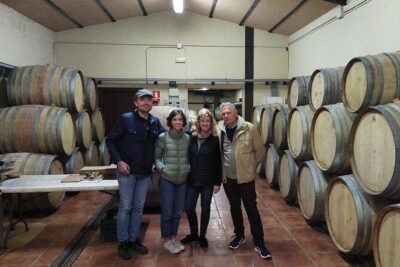
Malaga Organic Vineyard and Winery Six Wines Tapas and Transfer
Read our review →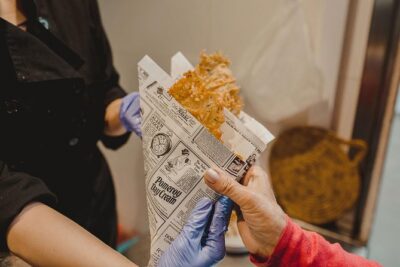
Málaga Evening Tapas Crawl Tour by Food Lover Tour
Read our review →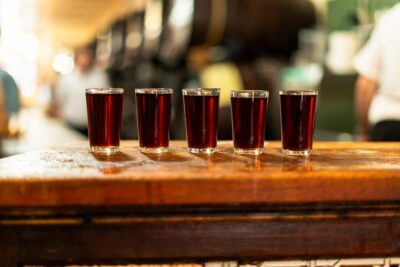
Browse the lists this tour appears in