Reviewed · WORKSHOPS
Malaga: Drawing & Painting Lesson Outdoors
If you can see it, you can draw it. That is the spirit behind this Malaga outdoor drawing and painting lesson, where the city itself becomes your studio. You work from real scenes around town, and the instructor helps you translate what you notice into quick, satisfying sketches.
I especially like that the class keeps things hands-on with multiple mediums. You get to try watercolor, soft pastels, markers, charcoal, and pencils, not just one “make a copy” method. And I like that you can pick what you focus on, from Port reflections and boats to Old Town architecture.
One thing to think about: you only have 1.5 hours, so if you want very detailed finished art, you will need to aim for a strong sketch rather than a long painting marathon.
In This Review
- Key highlights to know before you book
- Why drawing outdoors in Malaga feels different
- Meeting near the Centre Pompidou area, then getting to work fast
- Materials included, and how to use each one without overthinking
- Choosing your scene: Port, Park, or Old Town architecture
- The Port: lighthouse, boats, and reflections
- The Park: tropical nature
- Old Town: Roman Theater or the Cathedral
- How the art teacher helps you see with better eyes
- What you will produce in 1.5 hours (and what to aim for)
- Price and value: is $65 fair for this kind of lesson?
- Who this workshop suits best in Malaga
- Weather and time: the main practical downside
- Practical tips to get the most from your sketch session
- Should you book this Malaga drawing and painting lesson?
- FAQ
- Where is the meeting point?
- How long is the drawing and painting lesson?
- How much does it cost?
- Is this lesson good for complete beginners?
- What materials are included?
- How many people are in the group?
- What languages is the instructor able to teach in?
- Is the experience wheelchair accessible?
- Can I cancel or use reserve now and pay later?
Key highlights to know before you book
- Small group of up to 10 people, so you can actually get help with your drawing
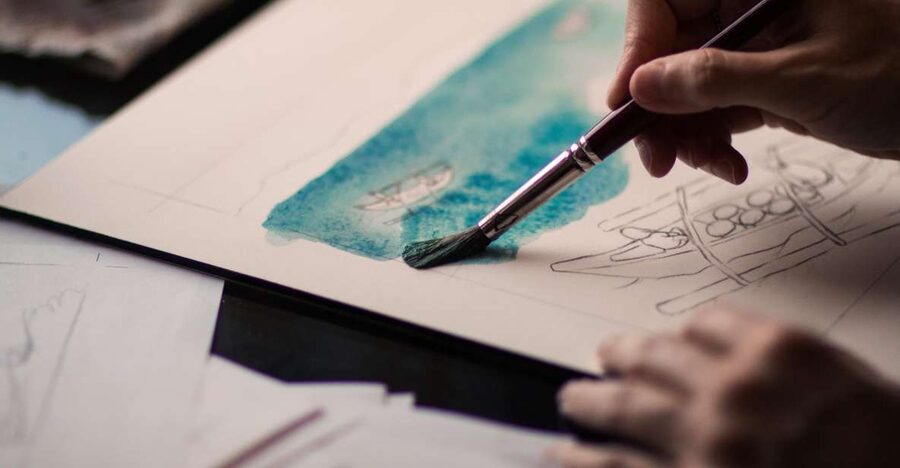
- All materials included, including watercolor supplies, brushes, soft pastels, markers, charcoal, and paper
- Multiple subject choices: Port (boats, lighthouse, reflections), Park (tropical nature), or Old Town (Roman Theater, Cathedral)
- Beginner-friendly instruction, from first pencil marks to people who want to brush up
- A teaching focus on proportion and perspective, so your buildings and scenes start looking right
- Outdoor sketch time in the streets of Malaga, not a classroom where you forget the view
Why drawing outdoors in Malaga feels different
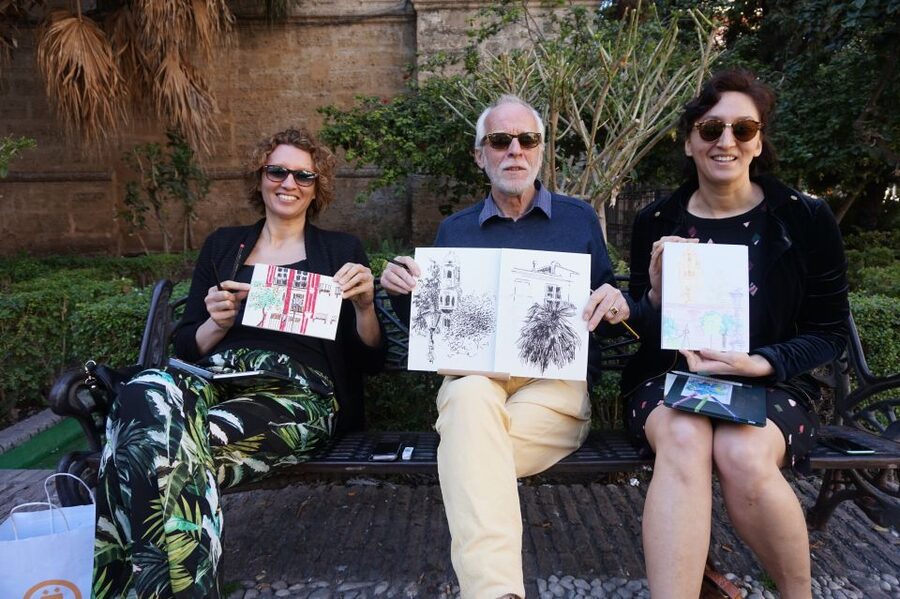
Malaga is made for sketching. The light shifts fast, the streets have layered texture, and the architecture gives you built-in “practice targets” for perspective. This lesson leans into that, so you spend your time looking carefully instead of just collecting photos.
I like that the teacher nudges you to see the city in more than one way. You are not only drawing what you think you see. You learn how to notice edges, angles, and value (light versus dark) so your artwork starts to feel like the place.
It also helps that you are not stuck with one style. The materials list is wide, so you can match the medium to the mood of the scene. A quick marker line can capture a boat outline. Soft pastels can give you a gentle haze for rooftops. Watercolor can handle reflections without you fighting every detail.
Other benches where Andalusian hands still make things:


Meeting near the Centre Pompidou area, then getting to work fast
The meeting point is right next to the Colors Cube of the Centre Pompidou. That is a good start because you are already in a central part of Malaga where it is easy to reach different viewpoints.
From there, the class stays moving. In an outdoor lesson, timing matters, and 1.5 hours is enough for a real sketching session without turning into a day-long production. The small-group format, capped at 10 participants, means the instructor can check in on your work as you go.
What you can expect is a guided session that begins with how to approach a view, then switches into technique practice. The lesson is designed for people who want to restart drawing, including those who have never touched a pencil in a serious way. It is also a solid “refresh” if you have some experience and want better structure.
Materials included, and how to use each one without overthinking
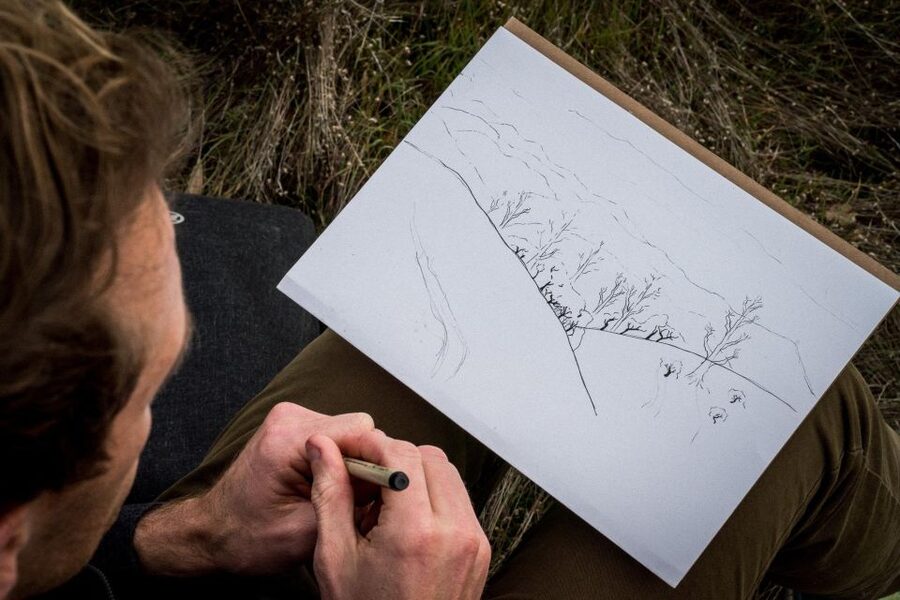
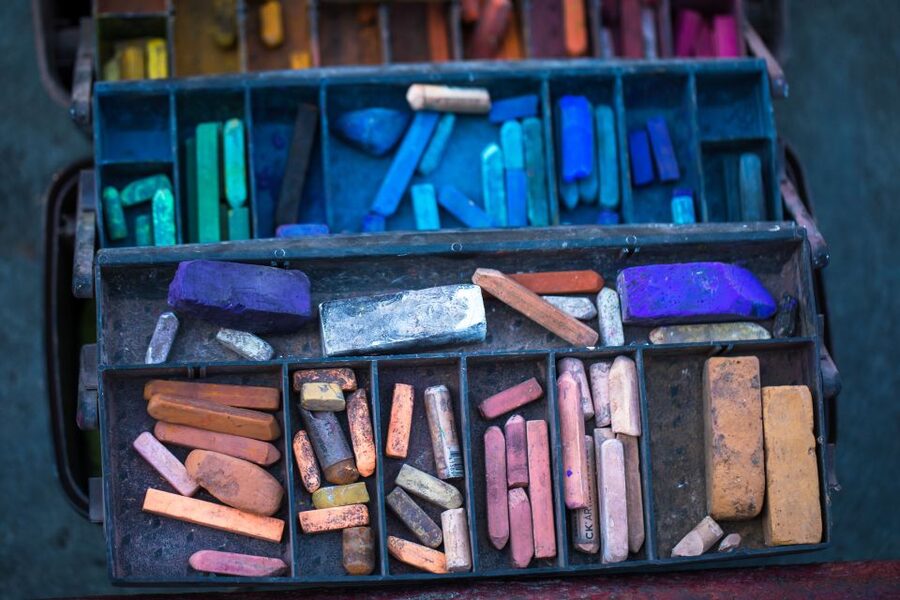
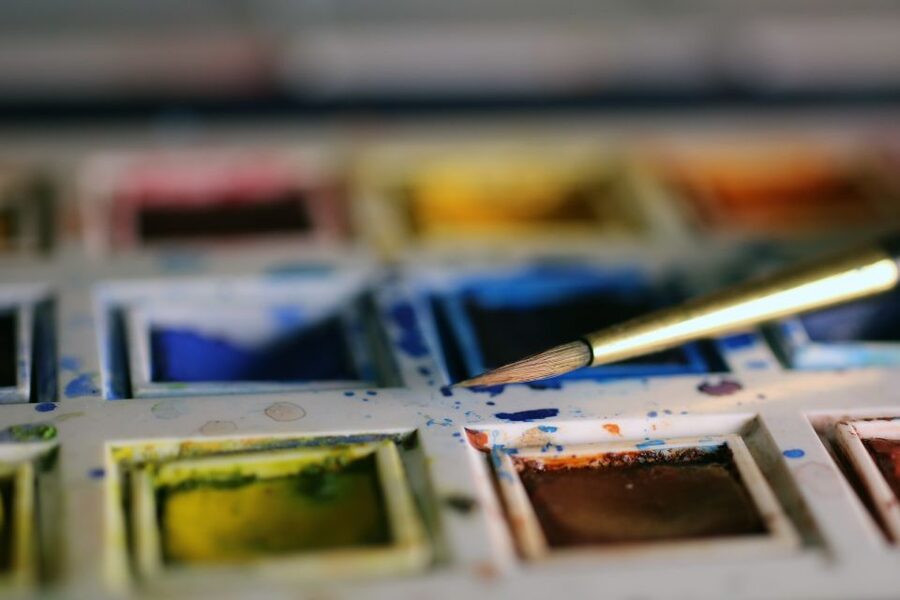
You do not need to bring supplies. The workshop provides paper, watercolors, brushes, pencils, soft pastels, markers, and charcoal. That matters because you can experiment without worrying about wasting money on gear you might never use again.
Here is how each medium fits what you are likely to face outdoors:
Watercolor
Watercolor is great for big shapes, sky tones, and reflections. It can also help you avoid getting stuck in linework only. If you like your sketches to feel airy, this is often the easiest medium to enjoy immediately.
Soft pastels
Pastels can make buildings and courtyards look softer and more atmospheric. They are also helpful for color blocking, meaning you can capture the overall look before you chase tiny details.
Markers
Markers are the “go-to” for confident outlines. Use them when you want your sketch to read clearly at a distance, especially for boats, lighthouses, and architectural edges.
Charcoal
Charcoal is useful for quick contrast. If you are struggling to make anything look like it belongs in the same drawing, charcoal can help you set shadows and deepen the sense of depth.
Pencils
Pencil is your structure tool. Even if you end with watercolor or pastels, starting with pencil helps you place proportions correctly.
The biggest value here is not just trying different tools. It is learning when to switch. The instructor shows you how to recreate what you see with the city as your reference point, instead of treating each medium like a separate lesson.
Choosing your scene: Port, Park, or Old Town architecture
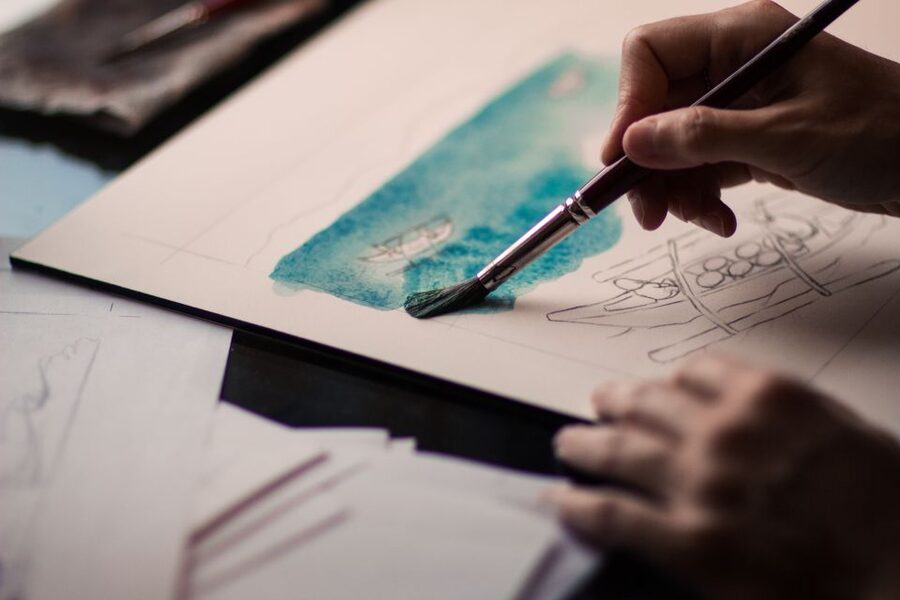
This is one of the smartest parts of the workshop. You are not forced into one viewpoint. You can choose what you want to draw, and the teacher helps you recreate the city’s standout details.
A different plan for the same Malaga afternoon:
- Malaga: Catamaran Sailing Trip with Sunset Option
★ 4.4 · 8,613 reviews - Málaga: Alcazaba and Roman Theatre Guided Tour With Entry
★ 4.8 · 5,792 reviews - Ronda and Setenil Tour with Free Time and Map from Málaga
★ 4.8 · 5,344 reviews - From Málaga: Caminito del Rey Day Trip & Guided Tour
★ 4.8 · 4,683 reviews - From Malaga and Costa del Sol: Gibraltar Tour
★ 4.4 · 4,483 reviews
The Port: lighthouse, boats, and reflections
If you pick the Port, you get natural “composition practice.” Boats give you repeated shapes. The lighthouse adds a strong vertical focal point. And the water reflections provide instant texture and value cues.
A common win here is that you can build a drawing even if you are not confident with tiny details. You can focus on major shapes first, then add texture in layers with marker, watercolor, or charcoal.
The Park: tropical nature
The Park option changes the game from straight architecture to organic forms. You are still training your eye for proportion, but you are also dealing with leaves, shade, and layered greens.
This is a good choice if you want a more relaxed feel and prefer softer transitions, which often suit pastels and watercolor.
Old Town: Roman Theater or the Cathedral
The Old Town choice is for people who like structure. The Roman Theater and the Cathedral bring clear lines, strong massing, and lots of angles that help you learn perspective.
From the way instructors describe their approach, this is where perspective and proportions matter most. You learn to look for how the building planes relate to each other, not just copy shapes blindly.
How the art teacher helps you see with better eyes
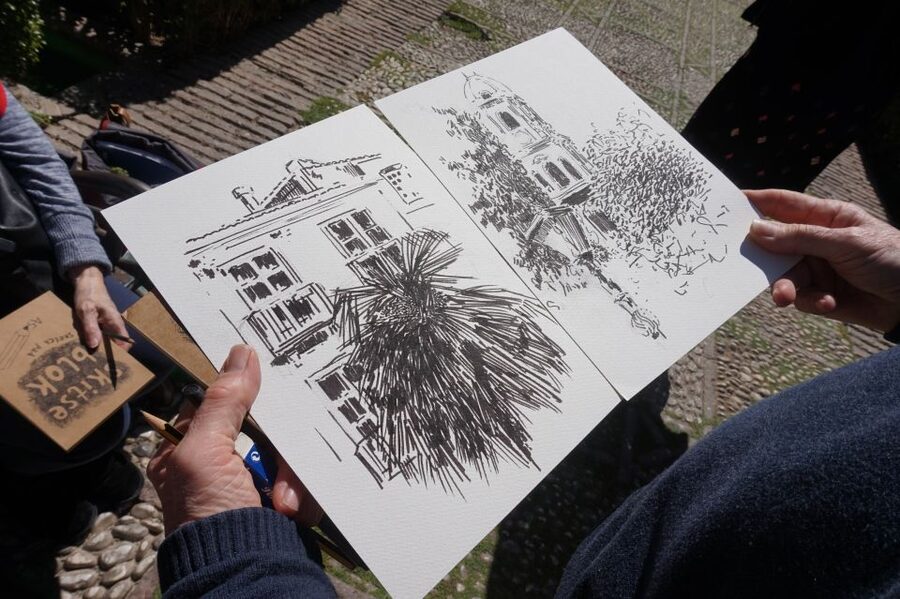
The workshop lives or dies by instruction quality, and the feedback is consistently positive. One standout detail from a named instructor, Alicia, is that she focused on perspective and proportions, then helped with image construction (building your drawing in a logical order). That is exactly what beginners need, and it is also what experienced sketchers often want to improve.
Alicia is also praised for showing color and coloring techniques using different media. That is valuable because it saves you from the usual mistake: using one color method all the way through, even when the scene calls for a different approach.
Another review highlights that the instructor understood different skill levels and asked about expectations. That small conversation can change everything. If you start the class saying you want to learn foundations, the teacher can frame the lesson differently than if you say you want to focus on a specific subject or style.
In short, the teacher helps you shift from I hope my drawing looks like that to I know what to adjust, because you get concrete guidance.
What you will produce in 1.5 hours (and what to aim for)
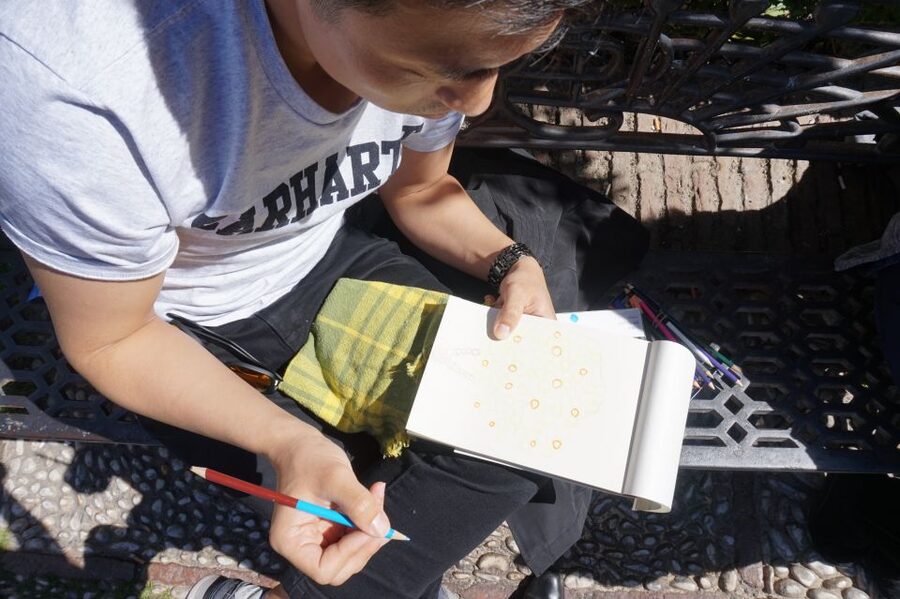
In 1.5 hours, you are rarely going to finish a museum-grade painting. That is not the goal here. The goal is a postcard-sized memory you made with your own hand, using real observation as the engine.
So aim for:
- a clear main subject (boats, lighthouse, key building mass)
- a believable light-dark structure (use charcoal or deeper pencil marks)
- color notes in the right places (watercolor washes, pastel blocks, or marker accents)
If you go in expecting something quick and satisfying rather than perfect, you will likely leave happy. A review noted that 1.5 hours did not feel too rushed, but that 2 hours would be even nicer. That tells you the class has a good pace, but more time would allow for more detail.
Price and value: is $65 fair for this kind of lesson?
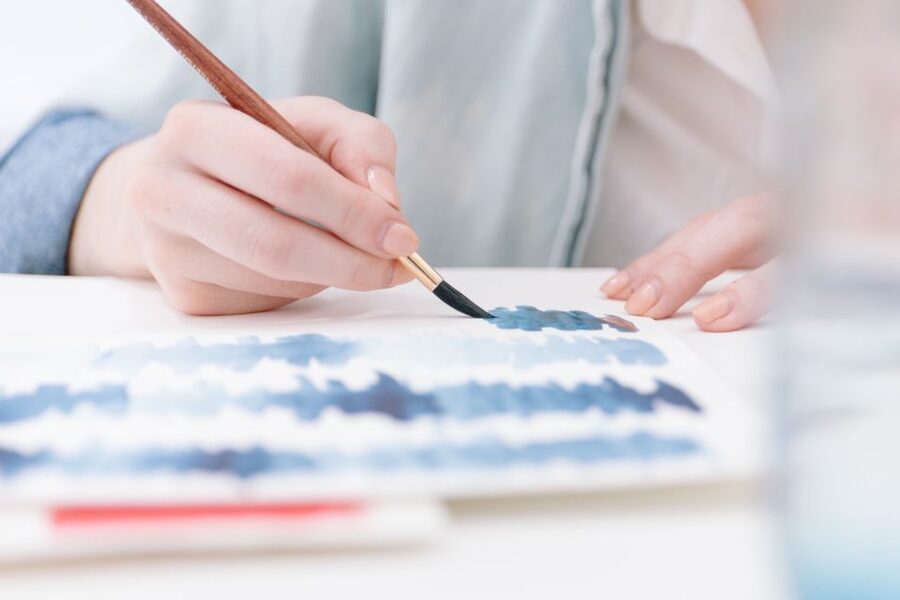
At $65 per person, this workshop sits in the “small group skill class” range. What makes it reasonable is that you are not paying only for teaching. You also get the materials, including watercolor supplies and the full set of drawing tools.
You are also paying for direct time with an art teacher in a group limited to 10. In a typical public sketch session, you might get a nice vibe but little guidance. Here, you get structure and feedback, which is what helps your drawing improve even if you have limited practice.
Is it worth it if you already have all supplies and just want to draw? Maybe not. But if you want a guided session that teaches technique while you enjoy Malaga’s scenery, $65 is a solid value.
Who this workshop suits best in Malaga
This lesson is a good fit if:
- you are returning to drawing after a long gap
- you are a total beginner who wants to try without embarrassment
- you have some experience and want faster improvement on proportion and perspective
- you want something different from standard sightseeing, but still want your time efficient
It is also a family-friendly option in practice. One review specifically mentions an 11-year-old and a parent with very little drawing experience, and both ended up happy with their artwork. That suggests the instruction style works across ages, as long as everyone is willing to try.
For more advanced artists, the multiple mediums and the focus on architectural details can be useful too. Even if you stay “sketch-first,” the perspective help can sharpen your work quickly.
Weather and time: the main practical downside
The biggest consideration is simple: it is outdoors. If weather is harsh, you may feel more limited by conditions, because you have only 1.5 hours. Plan to bring a flexible mindset.
The second consideration is your own expectations. If you want a highly detailed finished painting, you will likely wish you had more time. The class is designed for a strong sketch and a memorable piece, not a long-form studio output.
Practical tips to get the most from your sketch session
I would show up ready to work lightly and move with the group. A few ideas that help in outdoor drawing lessons:
- Wear comfortable shoes for walking and stopping at viewpoints.
- Bring your curiosity more than your perfectionism. The teacher will guide you, but your willingness to try matters.
- Choose the scene that excites you most. If you love boats and the lighthouse, lean into the Port. If architecture is your thing, pick the Old Town landmarks. If you want softer organic shapes, go for the Park.
This kind of workshop gets fun fast once you start treating it like a visual exercise, not a test.
Should you book this Malaga drawing and painting lesson?
Book it if you want a fun, guided way to see Malaga closely and leave with a real artwork that you made yourself. The combination of all materials provided, small group size, and instruction focused on proportion and perspective is the winning mix. Plus, the choice of subject areas means you are more likely to draw something you genuinely care about, whether that is the Port scene or Old Town architecture.
Skip it if you only want unguided sketching, or if you need a longer session to produce a highly detailed painting. With 1.5 hours, this is best for people who like finishing something doable.
If you are the type who wants your trip to include one hands-on memory, this workshop is an excellent pick in Malaga.
FAQ
Where is the meeting point?
You meet right next to the Colors Cube of the Centre Pompidou.
How long is the drawing and painting lesson?
The duration is 1.5 hours.
How much does it cost?
The price is $65 per person.
Is this lesson good for complete beginners?
Yes. The workshop is designed for people who have not practiced in a while and even for those who have never touched a pencil before.
What materials are included?
All materials are provided: paper, watercolors, brushes, pencils, soft pastels, markers, and charcoal.
How many people are in the group?
It is a small group limited to 10 participants.
What languages is the instructor able to teach in?
The instructor can teach in Spanish, English, and Italian.
Is the experience wheelchair accessible?
Yes, it is listed as wheelchair accessible.
Can I cancel or use reserve now and pay later?
You can cancel up to 24 hours in advance for a full refund. You can also reserve now and pay later, keeping your travel plans flexible.
New arrivals around Malaga
- Malaga: group walking tour★ 5.0 · 1 review
- Andalusian Wine Tasting Tapas and DE wine tastings★ 5.0 · 1 review
- Guided tour of Malaga fishing scene with cooking workshop★ 5.0 · 1 review
- Malaga Moorish & Roman Heritage: Old Town, Alcazaba & Cathedral★ 4.0 · 1 review
- Marbella: Climb La Concha on Private Guided Hiking Trip★ 5.0 · 1 review
- Malaga: Explore Malaga on a Solar Scooter★ 5.0 · 1 review
Workshops, compared.
Spanish Cooking Workshop with Paella and Sangria
Read our review →

Paella Cooking Class with English Guide in Malaga
Read our review →