
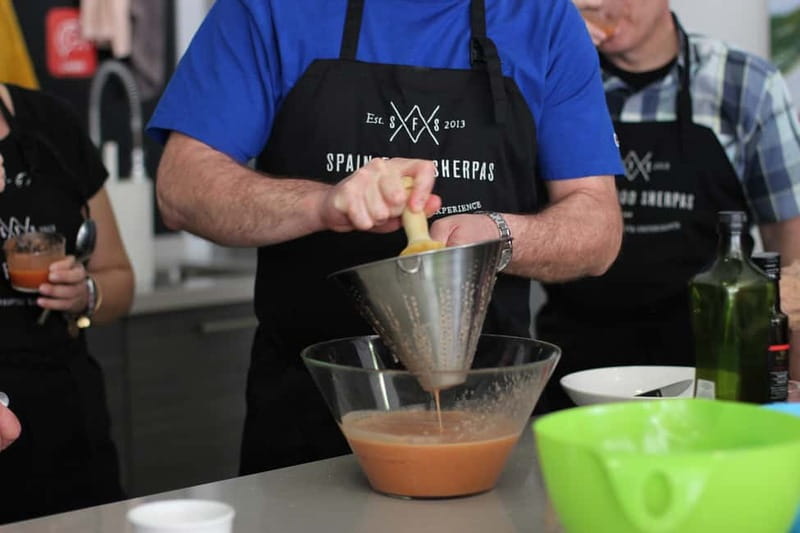
Reviewed · ATARAZANAS MARKET TOURS
Tapas Cooking Workshop & Market Visit
Your stomach starts planning before class even begins. In Malaga, this experience pairs a market walk with a real hands-on cooking session, so you learn tapas by doing, not watching. I love that you start with ingredients at Atarazanas Food Market, and I also like that the menu hits Spanish classics you can actually recreate at home. One thing to consider: if you want maximum chopping and stirring the whole time, participation can vary, so go in expecting a mix of cooking and guided technique.
The flow depends on the day. Weekdays and Saturdays start with the market, while Sundays and evening sessions go straight to the kitchen in the Soho District since the market is closed. Either way, you leave with recipes, an apron gift, and a clear sense of how locals think about sharing food.
In This Review
- Key highlights to know before you go
- Atarazanas Market Morning: tapas starts with shopping
- Kulinera and the Soho kitchen: where you actually learn
- The tapas menu: what you cook and why it matters
- Sangría to start, the Andalusian way
- Fideos tostados: crispy noodles with real character
- Tortilla de patatas: the comfort classic you can actually master
- Solomillo al Pedro Ximénez: where sweet meets savory
- Churros and your wine or beer pairing
- Price and pace: does $94 feel worth it?
- Should you book this Malaga tapas workshop?
- FAQ
- How long is the tapas cooking workshop and market visit?
- Where does the tour meet in Malaga?
- Is there parking near the meeting point?
- What language is the live tour guide in?
- What happens on weekdays and Saturdays?
- What happens on Sundays and during evening sessions?
- What food and drinks are included?
- What dishes are included in the menu?
- Do I get recipes and an apron?
- Are luggage or large bags allowed?
- Can I cancel and get a full refund?
- Can I reserve now and pay later?
Key highlights to know before you go
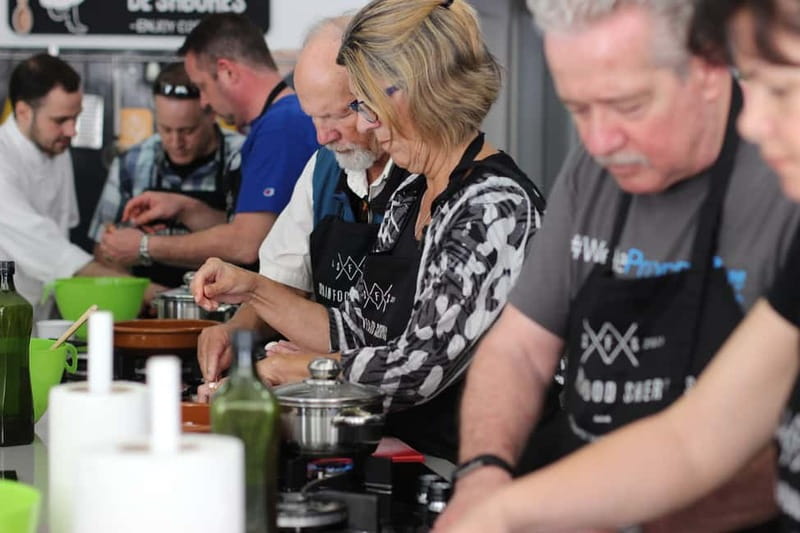
- Atarazanas Food Market ingredients first, so your tapas start with context, not just a recipe card
- Hands-on class with a professional team teaching traditional methods in an approachable way
- 4 tapas plus sangria and churros, including tortilla de patatas and Pedro Ximénez sirloin
- Olive oil tasting as part of the learning, not just a background pour
- Wine or beer pairing matched to the menu, to help you understand what tastes right together
- Apron to take home and all recipes included, so you can cook again later
Atarazanas Market Morning: tapas starts with shopping
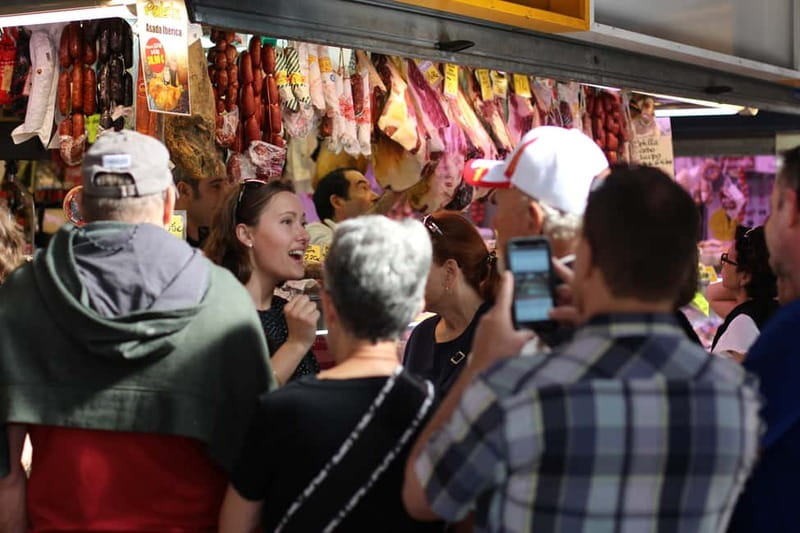
If you only do one food thing in Malaga, make it market-based. This workshop begins with a relaxed walk to Atarazanas Food Market, where you get the practical lesson most tourists miss: tapas are built on seasonal products, not on complicated showmanship. You’ll explore the stalls with your English-speaking guide and learn what’s fresh right now in the region.
I like how this part isn’t just sightseeing. It’s ingredient focused. You’re not memorizing trivia, you’re figuring out what flavors matter. That matters later in the kitchen, because when you start cooking, you already understand why an ingredient is being used and how it typically tastes in Andalusian cooking.
For weekday and Saturday sessions, the market is part of the schedule, so you get to stock up on items that will feed your recipes. For Sunday and evening sessions, the market is closed, so the group heads straight to the next stage in the kitchen area. If you can choose, I’d pick the market morning if your schedule allows, since it adds a real sense of place to the whole day.
Practical tip: wear shoes you can stand in. Markets can be lively, and you’ll likely do enough walking to feel it by the time you reach the kitchen. Also, bring an empty stomach, but not so empty that you’re cranky. You’ll have tastings and drinks during the class, yet you’ll still be learning through a lot of steps.
Other mornings in Atarazanas market:
Kulinera and the Soho kitchen: where you actually learn
After the market (or after a direct arrival for Sunday and evening sessions), you shift to a spacious, contemporary kitchen in the creative Soho District. The setting is important here. It’s not a cramped apartment where everyone crowds one cutting board. Instead, it’s designed for teaching, so you can see what’s happening and move as you cook.
You meet at Kulinera, address Av Manuel Agustín Heredia 24. If you drive, there is underground parking in front called Parking de La Marina. The class also notes that luggage or large bags aren’t allowed, so travel light, especially if you’re doing this on top of sightseeing.
In the kitchen, the team leads you in a didactic, enthusiastic, participative way. That’s the key phrase for how the workshop feels. You’re not just being talked at, and you’re not left completely on your own either. You get technique, you get guidance, and you get chances to work on the dishes.
One small reality check from experience-based feedback: some people felt the session leaned more toward observing than cooking, at least for part of the time. That doesn’t mean it’s a passive class, but it does mean you should plan to be flexible. If you care a lot about actively doing every step, arrive with the right attitude: listen closely, jump in when the instructor asks for help, and treat the demonstrations as learning moments, not downtime.
The tapas menu: what you cook and why it matters
This is a sample menu and it can vary with seasonal availability or dietary needs. That’s a thoughtful touch, because tapas in real life change depending on what’s good and what’s possible for your group. Still, the core experience is consistent: you cook a set of traditional Spanish dishes that balance comfort food with classic technique.
Sangría to start, the Andalusian way
You begin with sangría, part drink and part lesson. Sangría is often thought of as a party beverage, but in a tapas context it’s more about setting the mood and understanding Spanish flavor profiles. You’ll get a taste of the region and a chance to practice how the group approaches sharing food casually.
This opener also helps you settle in. By the time you move to savory tapas, you’re comfortable with the group rhythm and you already know what kind of flavors the workshop team expects you to enjoy.
More pans of paella to cook yourself:
- Málaga: Spanish Cooking Workshop with Paella and Sangria
★ 4.9 · 613 reviews - Malaga: Sailing Catamaran with Swimming and Paella Lunch
★ 4.1 · 578 reviews - Paella Cooking Class in Malaga
★ 5.0 · 209 reviews - Paella Cooking Class with English Guide in Malaga
★ 5.0 · 149 reviews - Paella and Sangria Workshop in Malaga
★ 5.0 · 108 reviews
Fideos tostados: crispy noodles with real character
Next up: Fideos tostados, crispy noodles. The name hints at what you’re learning. Toasting matters. The goal is texture and flavor development, not just boiling something until it’s edible. Even if you’ve eaten noodle dishes in plenty of places, this Spanish version is about that toasted edge.
The practical value here is learning what changes when heat does the work before liquid shows up. Technique like this transfers well to other dishes, even beyond Malaga tapas.
Tortilla de patatas: the comfort classic you can actually master
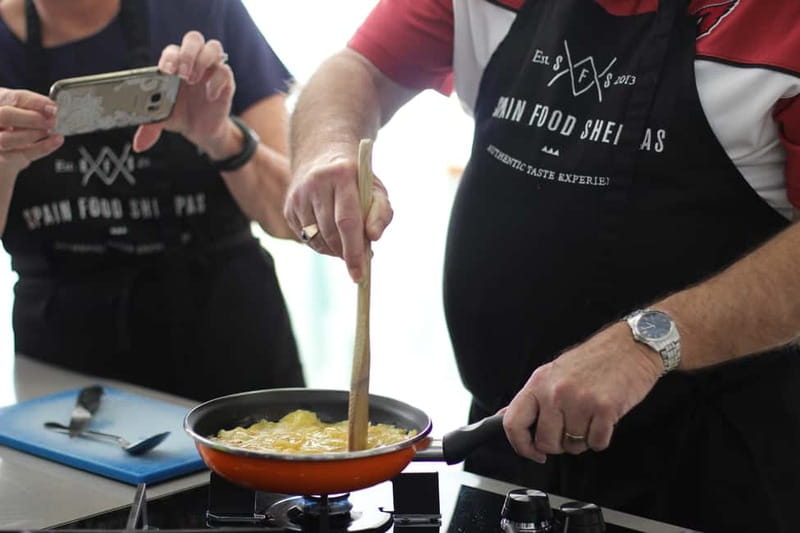
Then comes tortilla de patatas, the Spanish potato omelette. This is the best teachable classic because it’s simple in ingredients but serious in method. You learn how to think about potatoes and eggs as partners, not enemies. You’ll also understand why people argue about how it should be cooked, because tiny differences in timing can change the texture a lot.
For me, this is one of the most useful parts of a tapas class. If you can cook tortilla well, you can host friends with something that feels Spanish without needing fancy tools.
Solomillo al Pedro Ximénez: where sweet meets savory
The fourth main savory dish is Solomillo al Pedro Ximénez, sirloin with Pedro Ximénez sauce. Pedro Ximénez is a sweet wine style, and pairing it with meat creates that classic Spanish contrast: deep, savory richness with a rounded sweetness.
This course is valuable because it gives you an example of how Andalusian cooking builds complexity with relatively straightforward steps. The sauce isn’t there to make things sugary. It’s there to turn the whole plate into harmony, with the meat staying the center while the sauce supports and softens.
If you’re the type who always orders meat dishes because you want a sure bet, this is a great way to learn the one detail that can make or break the whole meal. Don’t just focus on cooking the meat. Pay attention to the sauce consistency and how it tastes as it reduces.
Also, because tapas are meant for sharing, you’ll likely work in a way that makes sense for plating multiple dishes together. This is where you start thinking like a tapas host: small portions, balanced flavors, and a rhythm where each dish has its own job.
Churros and your wine or beer pairing
To finish, you get churros. In Spain, churros are more than dessert. They’re a social habit, often eaten while chatting, lingering, and grabbing the last sweet bite before the night fully ends. Here, you end with something familiar yet still satisfying because you’ve spent the last part of the session learning savory technique.
You also have regional drinks paired with the menu, either wine or beer depending on the option for your session. This pairing matters for learning, because tapas aren’t just about food. They’re about how a drink changes what you taste. If you pay attention, you’ll notice that the same bite can feel different with each pairing, especially with sweet-scented dishes like the Pedro Ximénez component.
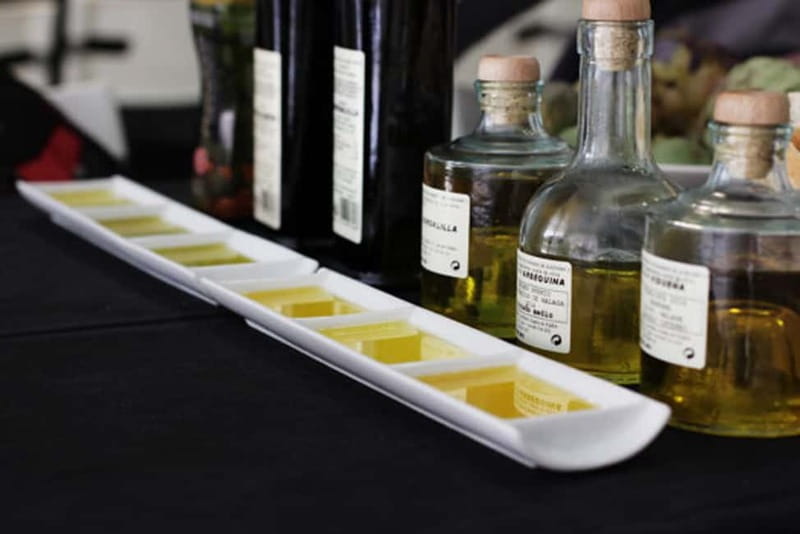
Finally, you get olive oil tasting as part of the experience. I’m glad that’s included because it grounds the whole workshop. In Spanish cooking, olive oil isn’t an afterthought. It’s an ingredient with character, and tasting helps you notice the difference between generic oil and something that actually carries flavor.
You also take home the recipes for every dish, plus a special gift: an apron. It sounds small, but it’s practical. An apron is your reminder, and the recipes let you repeat the dishes without trying to guess from memory.
Price and pace: does $94 feel worth it?
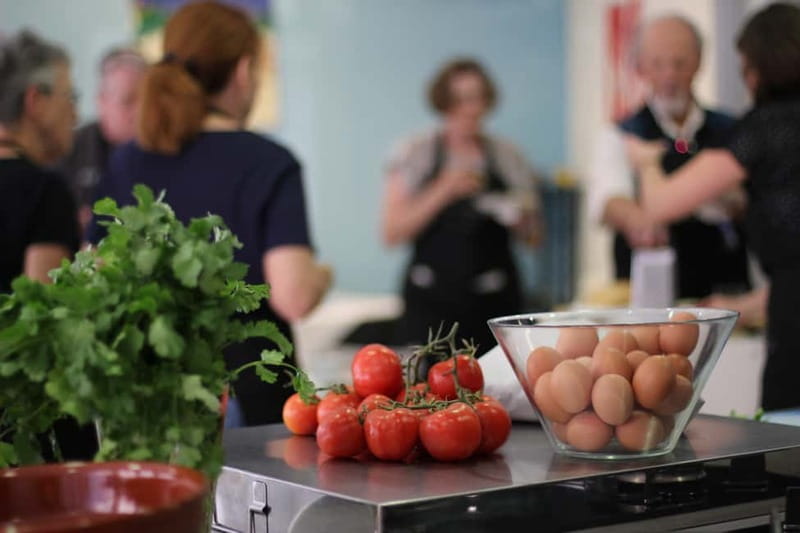
At $94 per person for a 4-hour class, the value depends on what you want out of your Malaga food time. If you’re looking for a simple tasting, you might feel the cost is high. If you want skills and a full meal built from classic tapas, the price starts to make sense fast.
Here’s what’s included in the cost:
- A market visit (when the market is open)
- Olive oil tasting
- Sangría
- 4 different traditional tapas
- Wine or beer paired with the menu
- Churros
- All recipes
- Apron to take home
For a 4-hour experience, that’s a lot of food and guided teaching, not just a one-off snack. And the market component adds something bigger than a photo stop. It changes how you cook later, because you understand where flavors come from.
Pace is another value factor. The schedule runs like this: market walk in the morning for weekdays and Saturdays, then kitchen learning. On Sundays and evening sessions, you skip the market since it’s closed and focus on the cooking. That keeps the timing tight and avoids dragging you through a closed space.
One more consideration: the experience doesn’t allow luggage or large bags. So if you’re traveling with a big day pack, plan ahead. A compact bag you can carry comfortably is the safe bet.
So who is this best for? People who love Spanish food and want to cook real classics rather than a tourist version. Also good for couples and small groups who want a shared activity that ends with a meal. If you’re a strict beginner, you’ll still get a guided path, since the class is designed to be didactic and participative. If you’re an advanced cook, you can still learn by watching technique and focusing on how tapas ingredients and timing work together.
Should you book this Malaga tapas workshop?
Book it if you want more than eating. You’ll leave with a practical set of traditional tapas skills, a clear sense of Andalusian flavors, and recipes you can use again at home. I especially think the market-and-kitchen format is worth it, because the ingredients aren’t just props. They connect directly to what you cook.
Skip it or go with clear expectations if you strongly dislike any part of a class that involves observation. One bit of feedback pointed out that the cooking portion can feel uneven for part of the session. The overall design is participative, but you should be ready to learn even during demonstrations.
If you’re in Malaga with a food focus and you can fit four hours, this is a solid value that blends place, technique, and a meal that tastes like Spain.
FAQ
How long is the tapas cooking workshop and market visit?
The experience lasts 4 hours.
Where does the tour meet in Malaga?
You meet at Kulinera, Av Manuel Agustín Heredia 24.
Is there parking near the meeting point?
Yes. There is underground parking in front called Parking de La Marina.
What language is the live tour guide in?
The guide provides English.
What happens on weekdays and Saturdays?
On weekday and Saturday mornings, the experience includes a relaxed walk to Atarazanas Food Market before moving on to the kitchen.
What happens on Sundays and during evening sessions?
On Sundays and during evening sessions, the market is closed, so you head straight to the kitchen in the Soho District.
What food and drinks are included?
You get olive oil tasting, sangría, 4 traditional tapas, churros, and wine or beer paired with the menu.
What dishes are included in the menu?
The menu sample includes sangría, fideos tostados (crispy noodles), tortilla de patatas, solomillo al pedro Ximénez, and churros. The menu may vary for seasonal availability or dietary restrictions.
Do I get recipes and an apron?
Yes. All recipes are included, and there is a special gift, an apron you can take home.
Are luggage or large bags allowed?
No. Luggage or large bags are not allowed.
Can I cancel and get a full refund?
Free cancellation is available up to 24 hours in advance for a full refund.
Can I reserve now and pay later?
Yes. The option to reserve now and pay later is available.
Where Andalusian Hands Still Make Things
- The Ultimate Tapas Workshop in Malaga
★ 5.0 · 119 reviews - Malaga: Authentic Paella Cooking Class with Sangría
★ 5.0 · 103 reviews - Malaga Tapas Cooking Class
★ 5.0 · 99 reviews - Málaga: Wine Gogh Glow Academy Paint and Sip Class
★ 4.4 · 30 reviews
Tapas Crawls Through the Centre
- Caminito del Rey & White Village Tour with Tapas from Málaga
★ 4.9 · 2,209 reviews - Malaga Wine & Tapas Small Group Guided Tour
★ 5.0 · 1,972 reviews - Málaga: Wine & Tapas Tour
★ 4.8 · 1,039 reviews - Taste of Malaga Tour : Tapas, History and Local Customs
★ 5.0 · 758 reviews
New arrivals around Malaga
- Malaga: group walking tour★ 5.0 · 1 review
- Andalusian Wine Tasting Tapas and DE wine tastings★ 5.0 · 1 review
- Guided tour of Malaga fishing scene with cooking workshop★ 5.0 · 1 review
- Malaga Moorish & Roman Heritage: Old Town, Alcazaba & Cathedral★ 4.0 · 1 review
- Marbella: Climb La Concha on Private Guided Hiking Trip★ 5.0 · 1 review
- Malaga: Explore Malaga on a Solar Scooter★ 5.0 · 1 review
Atarazanas Market Tours, compared.
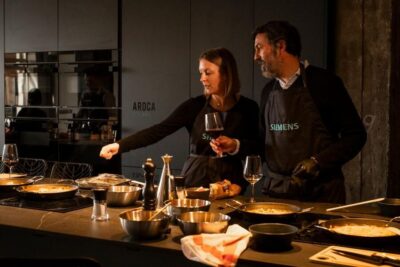
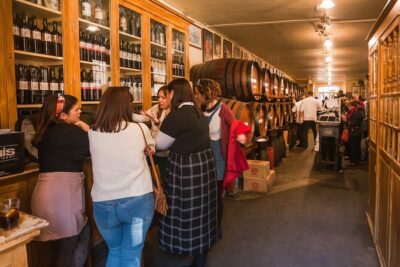
Malaga Market Food Tour: Tapas, Drinks, and Local Flavors
Read our review →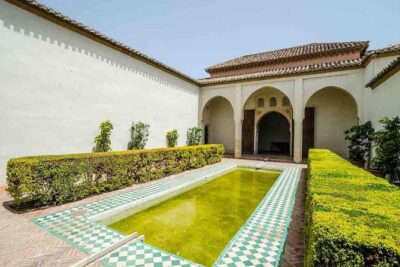
Private Malaga: Alcazaba, Museum, Market, Cathedral & Picasso
Read our review →
PREMIUM TAPAS TOUR: Paella, Market Tastings, and Winery
Read our review →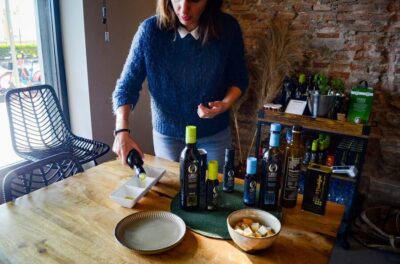
Paella and Sangria Cooking Class with Market Visit
Read our review →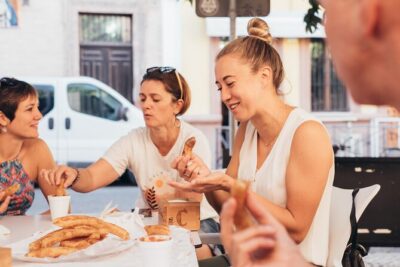
The Málaga Market & Tapas Tour By Food Lover Tour
Read our review →
Malaga Food Walking Tour with Atarazanas Market Visit
Read our review →PREMIUM TAPAS TOUR: Paella, Market Tastings, and Winery
Read our review →Browse the lists this tour appears in